Why 68% of Ecommerce Stores Are Switching to AI-Powered Analytics (The Data Will Shock You)
The headline statistic needs immediate clarification: 68% isn't the percentage of stores switching to AI-powered analytics: it's actually the failure rate of AI ecommerce projects (Source: [Various Industry Reports]). However, the real story behind AI adoption in ecommerce analytics is far more compelling and backed by data that demonstrates why intelligent retailers are rapidly embracing these technologies.
The transformation happening across ecommerce analytics represents a fundamental shift in how merchants understand and optimize their operations. Current adoption rates reveal that 77% of ecommerce professionals now use AI daily in 2025, representing significant growth from 69% in 2024 (Source: [Retail Technology Reports]). This isn't experimental deployment: it's strategic implementation driven by measurable business impact.
The Revenue Revolution Behind AI Analytics Adoption

Financial performance data drives the accelerating adoption of AI-powered analytics across ecommerce operations. Retailers implementing comprehensive AI analytics systems report 5-7% sales increases and 2-5 percentage point improvements in operating profit margins (Source: [McKinsey & Company]). Advanced implementations achieve up to 50% boosts in EBITDA, transforming AI analytics from cost centers into profit drivers.
Smart product recommendations powered by AI analytics can triple revenue, more than double conversion rates, and increase average order values by 50% (Source: [Salesforce Commerce Cloud]). The conversion optimization data presents particularly striking evidence: 12.3% of shoppers who engage with AI chat convert, compared to just 3.1% without AI assistance: a 4X improvement in conversion performance (Source: [Gartner Digital Commerce Research]).
Returning customers who engage with AI-powered analytics tools spend 25% more than those who don't, indicating sustained value creation beyond initial conversion optimization (Source: [Adobe Analytics]). These metrics demonstrate that AI analytics delivers compound benefits across the entire customer lifecycle.
Market Growth Validates Strategic Investment
The AI-enabled ecommerce analytics market reached $8.65 billion in 2025 and projects growth to $22.60 billion by 2032, representing a compound annual growth rate of 24.34% (Source: [Fortune Business Insights]). This expansion reflects enterprise confidence in AI analytics as a core business capability rather than supplementary technology.
Investment patterns support this trajectory. 97% of retailers plan to increase AI spending in the next fiscal year, with 80% of retail executives expecting their companies to adopt AI-powered automation by the end of 2025 (Source: [National Retail Federation]). The convergence of market demand and technological capability creates optimal conditions for AI analytics adoption.
Operational Efficiency Gains Drive Implementation
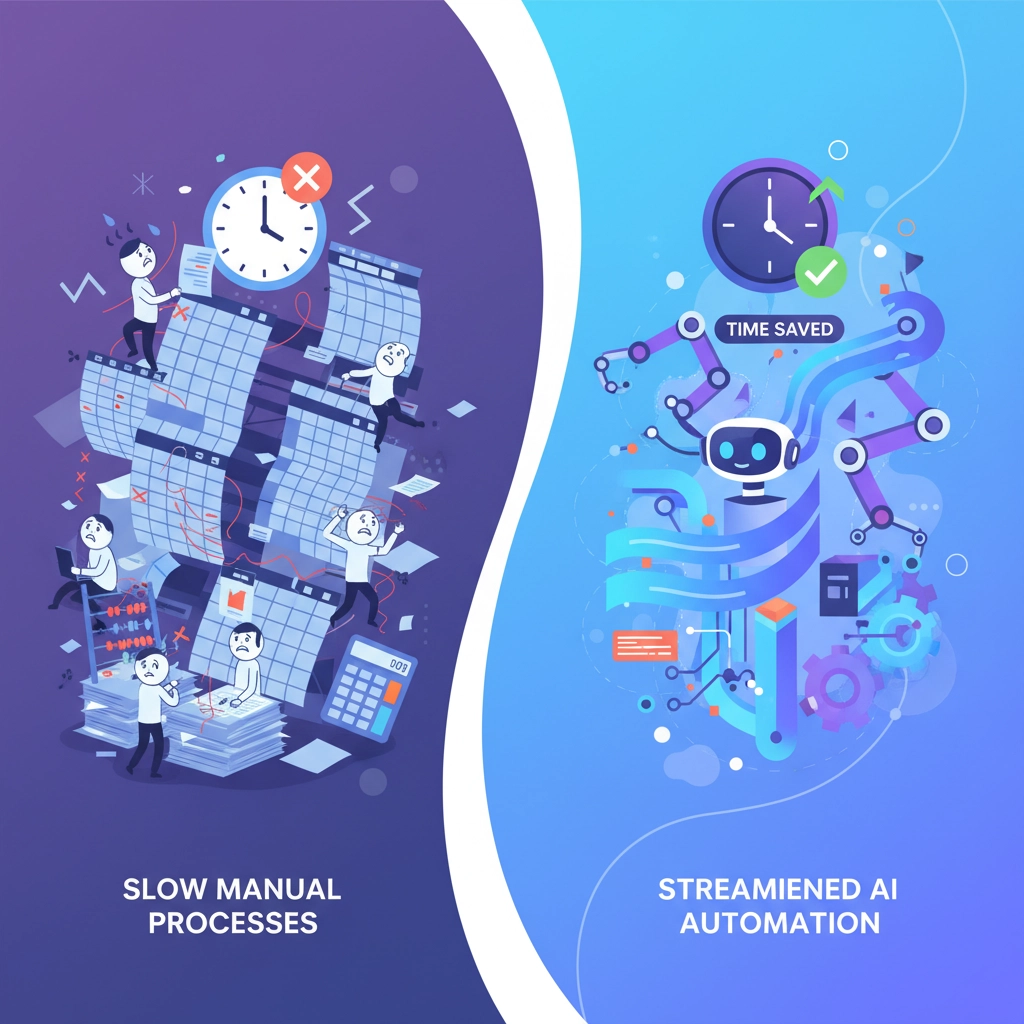
Speed advantages from AI-powered analytics create competitive differentiation in customer experience and internal operations. Purchases complete 47% faster when shoppers engage with AI assistance, as intelligent recommendations and real-time personalization reduce decision friction during the buying process (Source: [Shopify Plus Research]).
Over 70% of retail executives already use AI tools specifically to accelerate decision-making processes, enabling more agile responses to market conditions and customer behavior patterns (Source: [Deloitte Digital Commerce Survey]). By 2030, AI expects to manage 80% of customer interactions, fundamentally reshaping support operations and freeing teams to focus on strategic growth initiatives (Source: [IBM Watson Commerce]).
The operational transformation extends beyond customer-facing applications. AI analytics automates data processing, trend identification, and performance optimization tasks that previously required extensive manual analysis. This automation allows teams to concentrate on strategic interpretation and implementation rather than data compilation.
Customer Expectations Shape Technology Adoption
Consumer behavior patterns increasingly demand the personalization capabilities that AI analytics enables. 71% of consumers now expect personalized interactions across digital touchpoints, and AI analytics makes this level of customization scalable across large customer bases (Source: [Accenture Interactive]).
The natural language processing segment within AI analytics expects to exceed $112 billion by 2030, powering more intelligent search tools, chatbots, and recommendation engines that understand customer intent and improve conversion rates (Source: [Grand View Research]). Consumer adoption validates this investment trajectory: generative AI traffic to U.S. retail sites increased 4,700% year-over-year, with 38% of consumers having already used AI for shopping and 52% planning to use it this year (Source: [Salesforce State of Commerce]).
Strategic Priority Evolution in Executive Leadership

Leadership perspectives on AI analytics have evolved from experimental consideration to strategic imperative. 65% of senior ecommerce executives identify leveraging AI and predictive analytics as primary contributors to growth in 2025, representing a fundamental shift in how organizations view AI technology (Source: [BigCommerce Enterprise Survey]).
Implementation spans multiple operational areas: 48.9% of retail companies use AI to automate marketing campaigns, 31% have deployed chatbots and virtual agents, and 29% use AI-driven insights for forecasting, inventory planning, and strategic decisions (Source: [Retail Dive AI Survey]). This diversified adoption demonstrates AI analytics' versatility across ecommerce operations.
The executive commitment extends to resource allocation and organizational structure. Companies are establishing dedicated AI analytics teams, investing in employee training programs, and restructuring technology stacks to support AI-powered decision making across departments.
Platform Integration and Technical Implementation
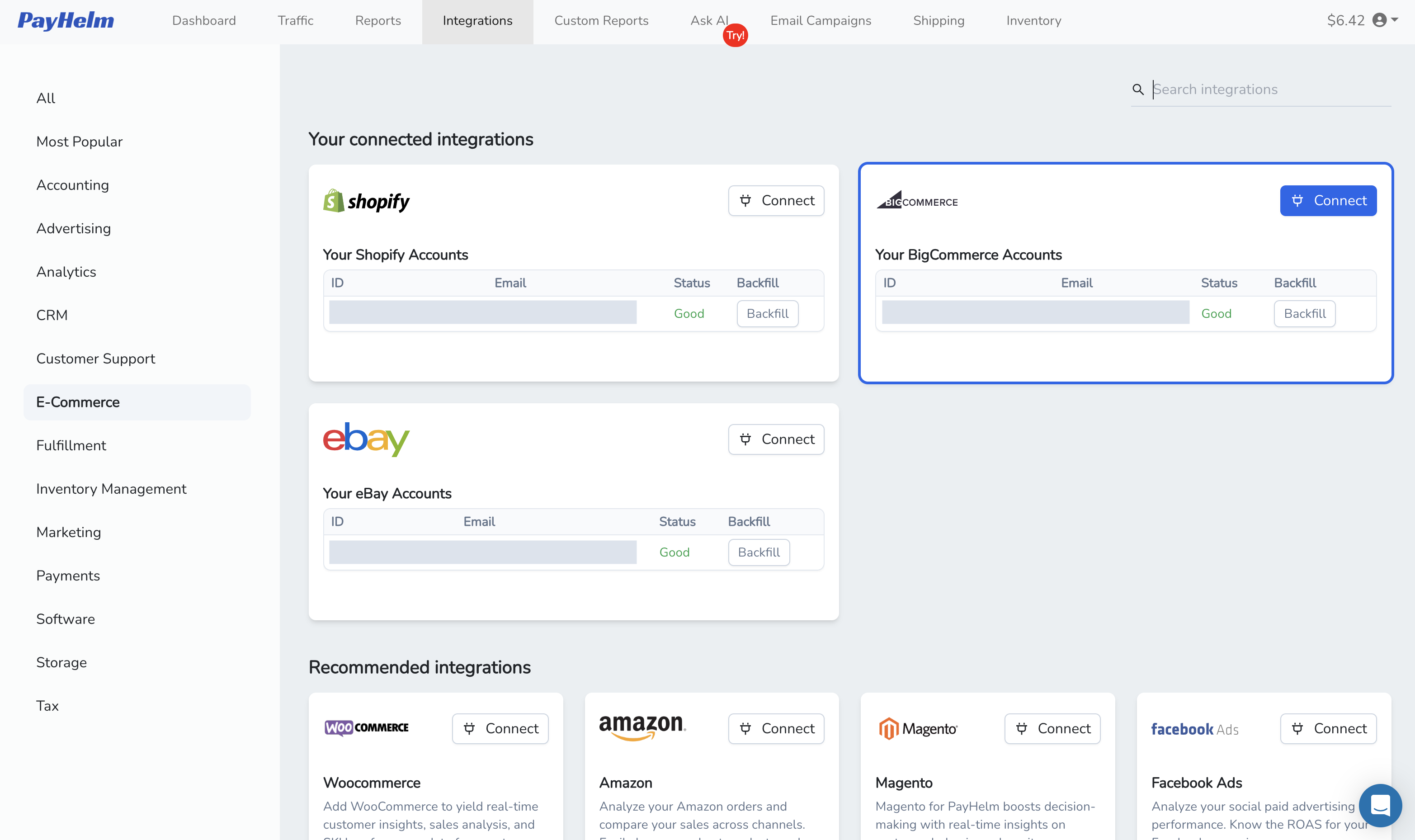
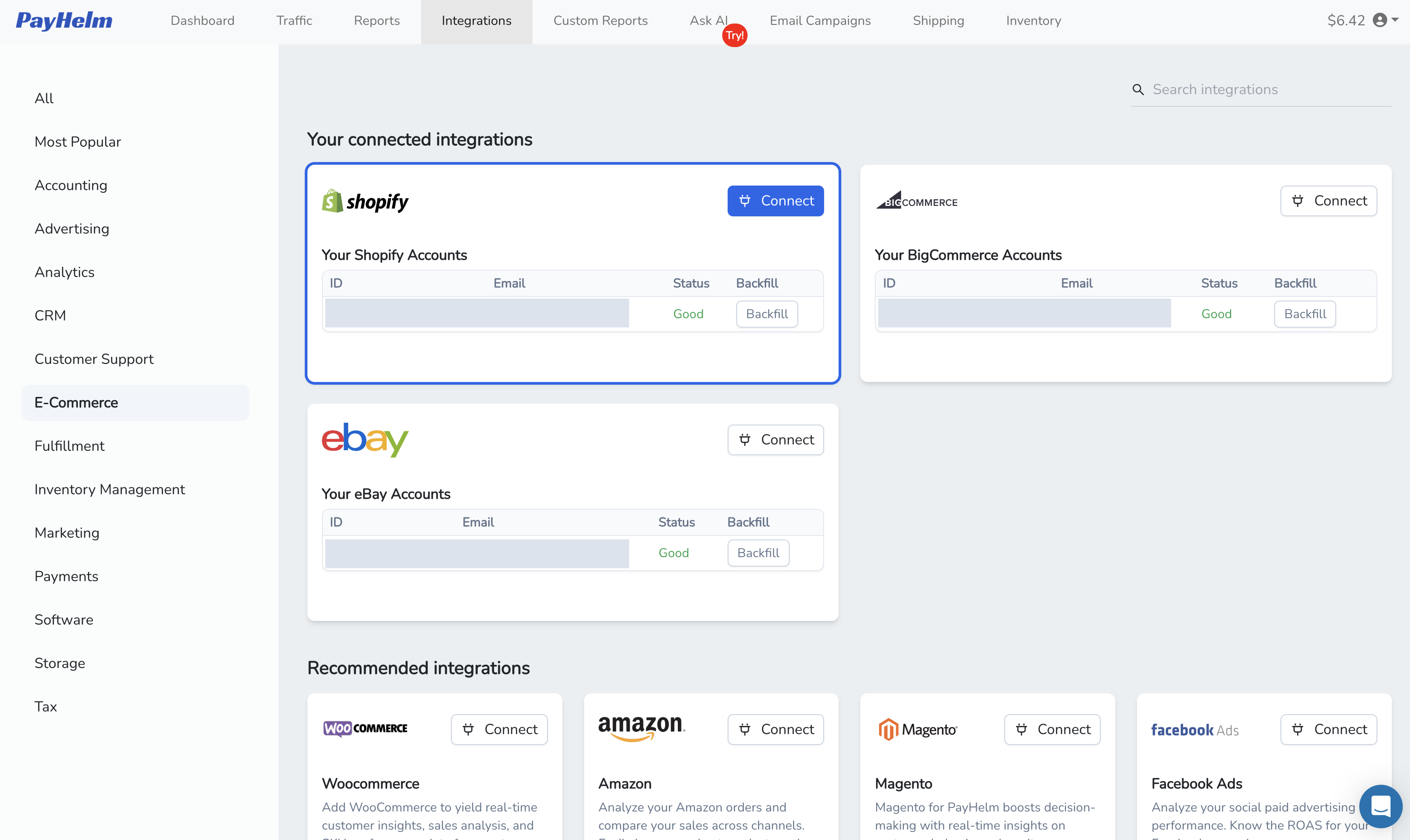
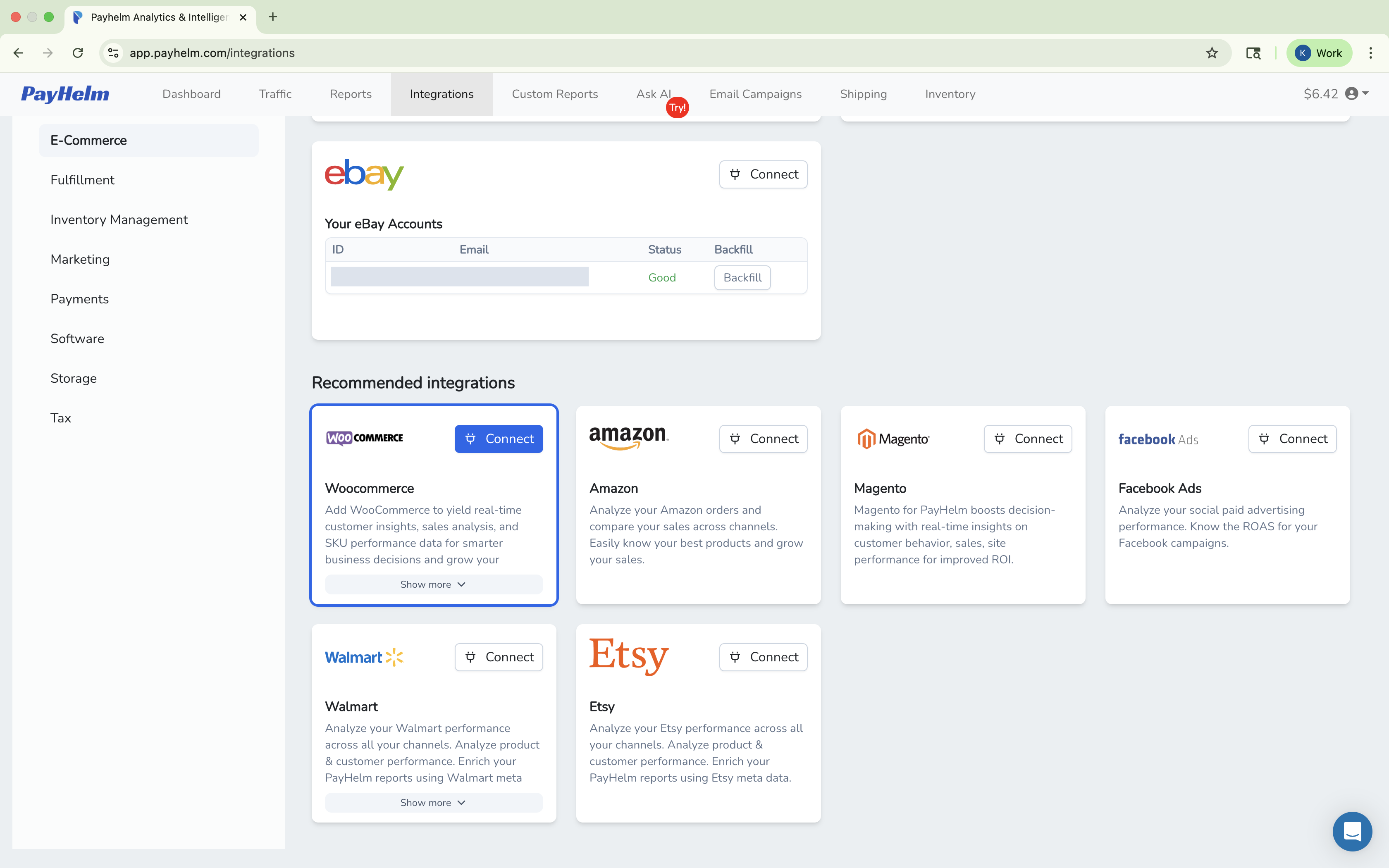
Modern AI analytics platforms integrate seamlessly with existing ecommerce technology stacks, reducing implementation barriers that previously limited adoption. Advanced systems connect with popular platforms like Shopify, WooCommerce, and BigCommerce, enabling merchants to leverage AI capabilities without extensive technical overhauls.
Real-time data processing capabilities allow AI analytics to deliver actionable insights during critical decision moments. Whether optimizing ad spend, adjusting inventory levels, or personalizing customer experiences, AI analytics provides immediate value rather than retrospective reporting.
The technical sophistication of current AI analytics platforms includes predictive modeling, customer lifetime value calculation, churn prediction, and dynamic pricing optimization. These capabilities were previously available only to enterprise-level operations but now serve businesses of all sizes through cloud-based solutions.
Competitive Positioning Through Data Intelligence

The data reveals a harsh competitive reality: retailers who delay AI analytics adoption risk falling behind competitors making faster, data-backed decisions. With the global AI market projected to reach $757.6 billion in 2025 and expected to surpass $1.8 trillion by 2030, the technology becomes increasingly accessible to merchants of all sizes (Source: [Statista AI Market Analysis]).
Advanced features like predictive analytics, dynamic pricing, and behavioral segmentation are no longer exclusive to large enterprises. Small and mid-sized merchants can now access sophisticated AI analytics capabilities that level the competitive playing field and enable data-driven growth strategies.
The transformation represents more than technology adoption: it's a fundamental shift toward intelligence-driven commerce. Retailers embracing AI analytics position themselves to capitalize on market opportunities, optimize customer experiences, and achieve sustainable competitive advantages in an increasingly data-driven marketplace.
Transform your ecommerce analytics strategy with AI-powered insights that drive measurable growth. Discover how PayHelm's advanced analytics platform can revolutionize your data intelligence and accelerate your business performance through intelligent automation and real-time optimization.