5 Signs Your Ecommerce Reporting Is Costing You Sales (and How to Fix It, Fast)
Poor ecommerce reporting isn't just an inconvenience: it's a silent revenue killer. Every day your business operates with incomplete, delayed, or fragmented data, you're hemorrhaging potential sales and competitive advantage. The difference between thriving ecommerce businesses and struggling ones often comes down to their ability to extract actionable insights from their data and act on them quickly.
Research from (Source: McKinsey) shows that companies using advanced analytics are 2.6 times more likely to have above-average profit margins. Yet many ecommerce businesses continue operating with reporting systems that obscure rather than illuminate critical performance patterns.
Sign 1: Your Data Lives in Disconnected Silos
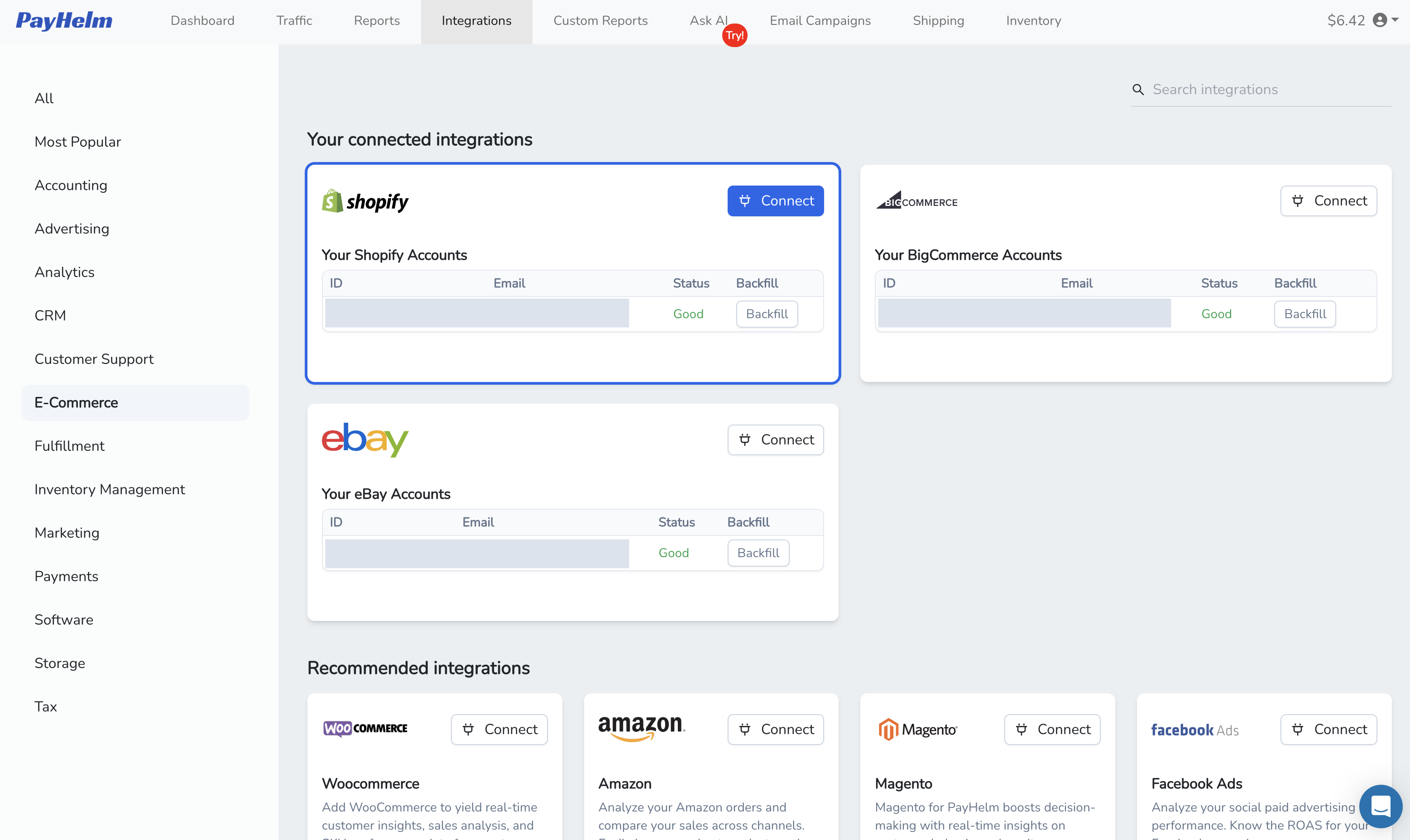
When your Shopify sales data, Google Ads performance, email marketing metrics, and inventory levels exist in separate systems, you're missing the complete picture of your customer journey. This fragmentation forces you to make decisions based on incomplete information, leading to misallocated budgets and missed optimization opportunities.
The cost manifests in multiple ways: overspending on channels that don't convert, understocking profitable products, and failing to identify your most valuable customer segments. (Source: Salesforce) indicates that 79% of business leaders say disconnected data prevents them from providing a unified customer experience.

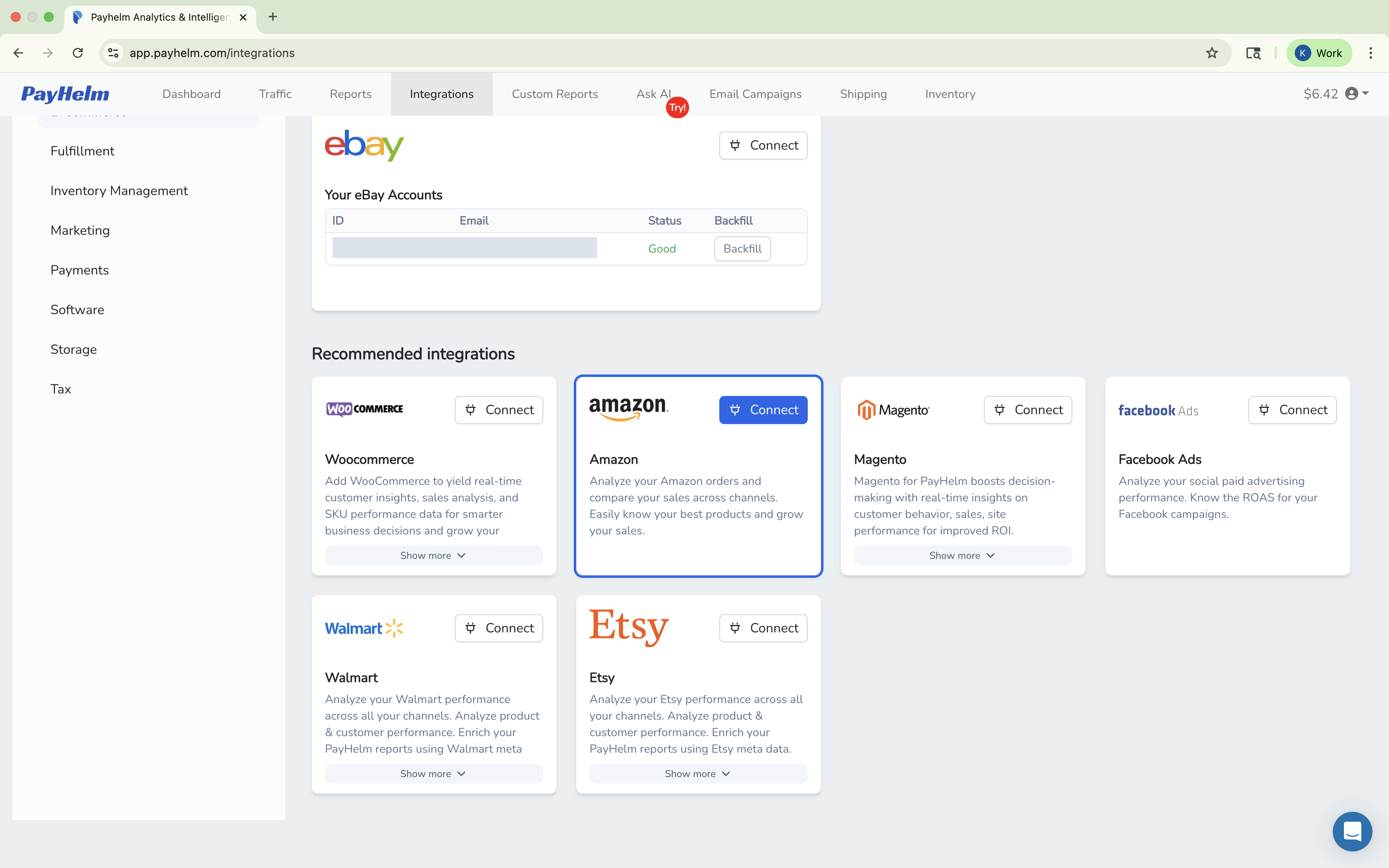
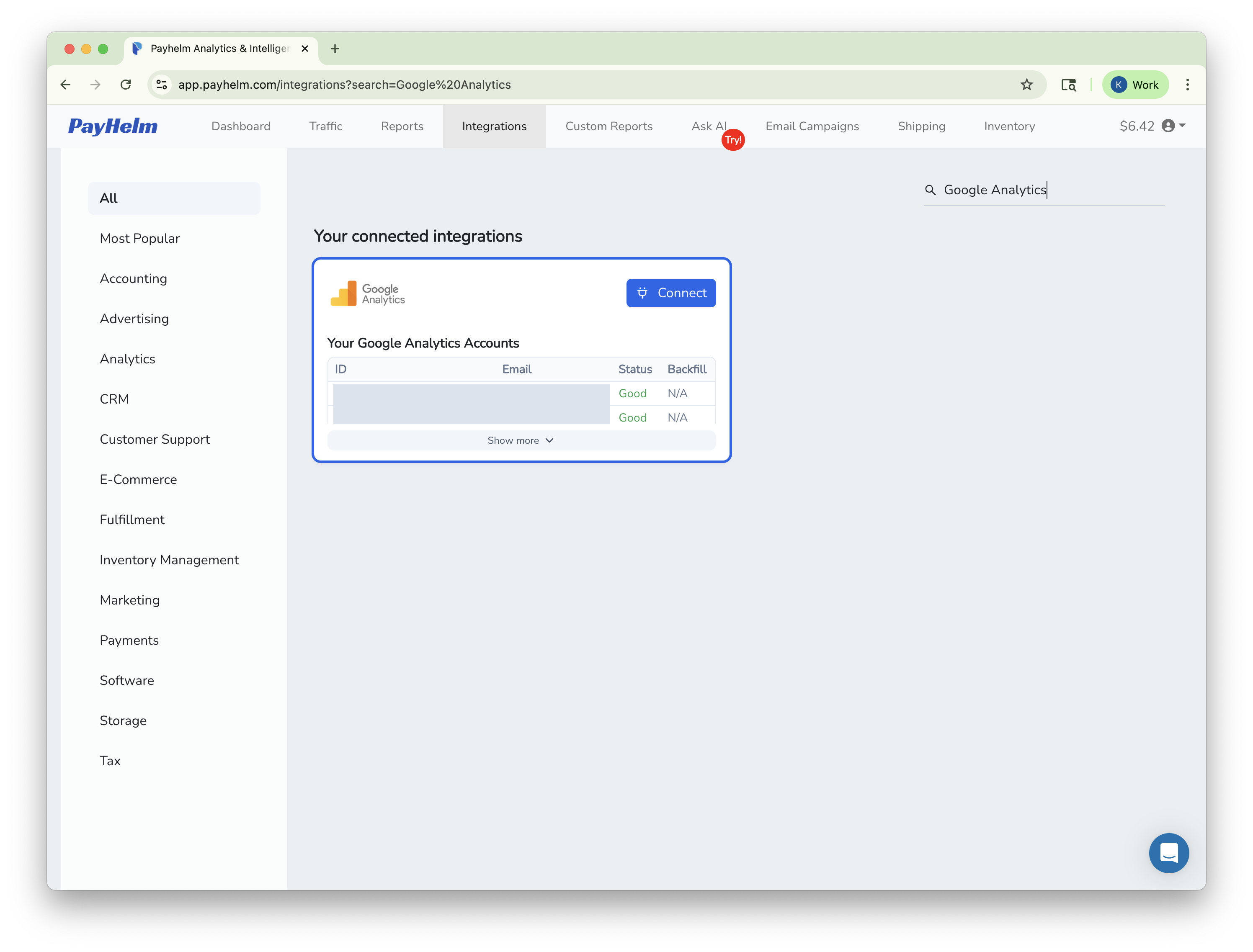
Fix it fast: Implement a unified analytics platform that automatically integrates all your ecommerce touchpoints. Modern solutions consolidate data from multiple channels into a single dashboard, providing real-time visibility across your entire operation. This eliminates the need to manually compile reports from different systems and ensures you're working with consistent, up-to-date information.
Sign 2: Your Reporting Has a Dangerous Time Lag
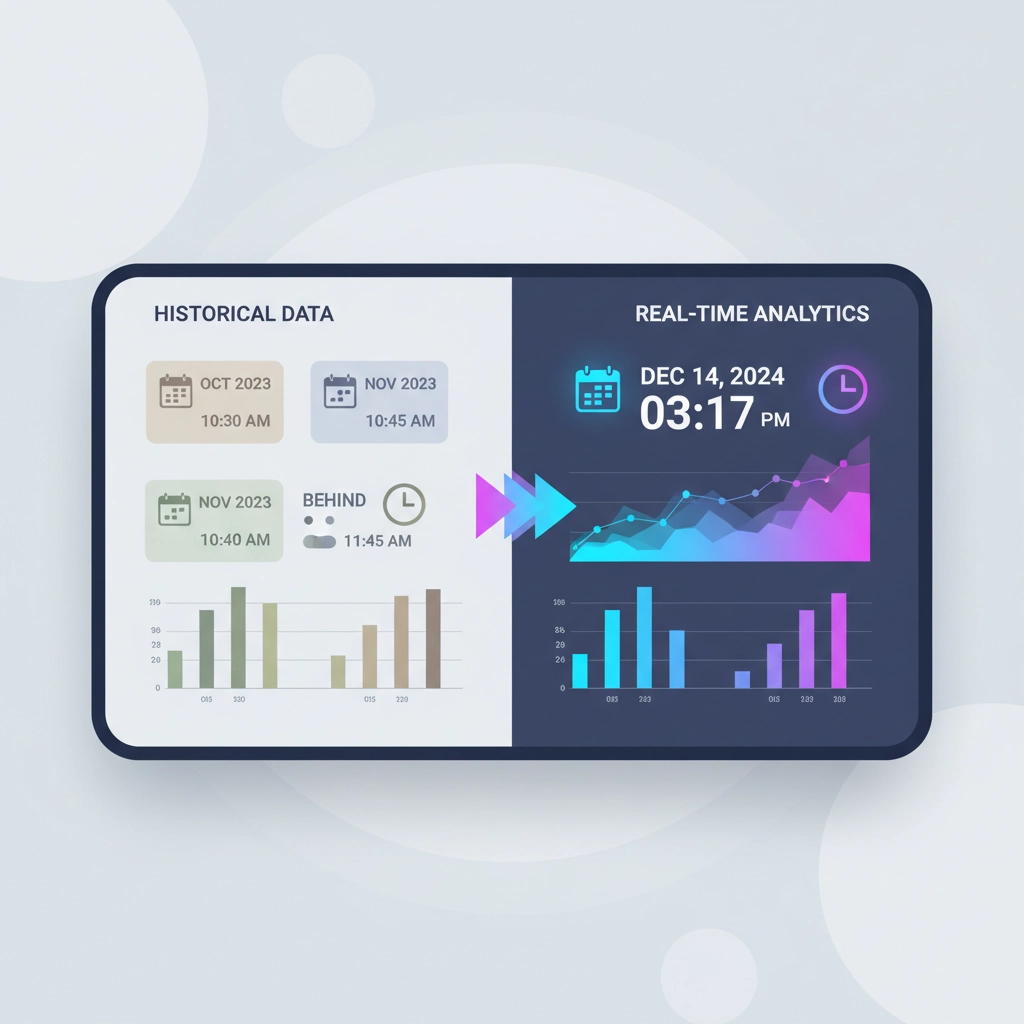
If you're still generating weekly or monthly reports to understand your business performance, you're operating with outdated information in a fast-moving market. Ecommerce moves at internet speed: customer preferences shift, competitor campaigns launch, and market conditions change within hours, not weeks.
Time-delayed reporting means you discover problems after they've already damaged your revenue. By the time you notice a campaign underperforming or a product going out of stock, you've lost sales that real-time insights could have prevented. (Source: Harvard Business Review) research shows that companies using real-time analytics achieve 5-6% higher productivity and profitability than those relying on traditional reporting.
Fix it fast: Transition to real-time reporting that updates automatically as transactions occur. Set up automated alerts for critical metrics like conversion rate drops, inventory shortages, or unusual traffic patterns. Real-time visibility allows you to capitalize on opportunities and address issues before they escalate into significant revenue losses.
Sign 3: Your Attribution Models Don't Match Customer Behavior
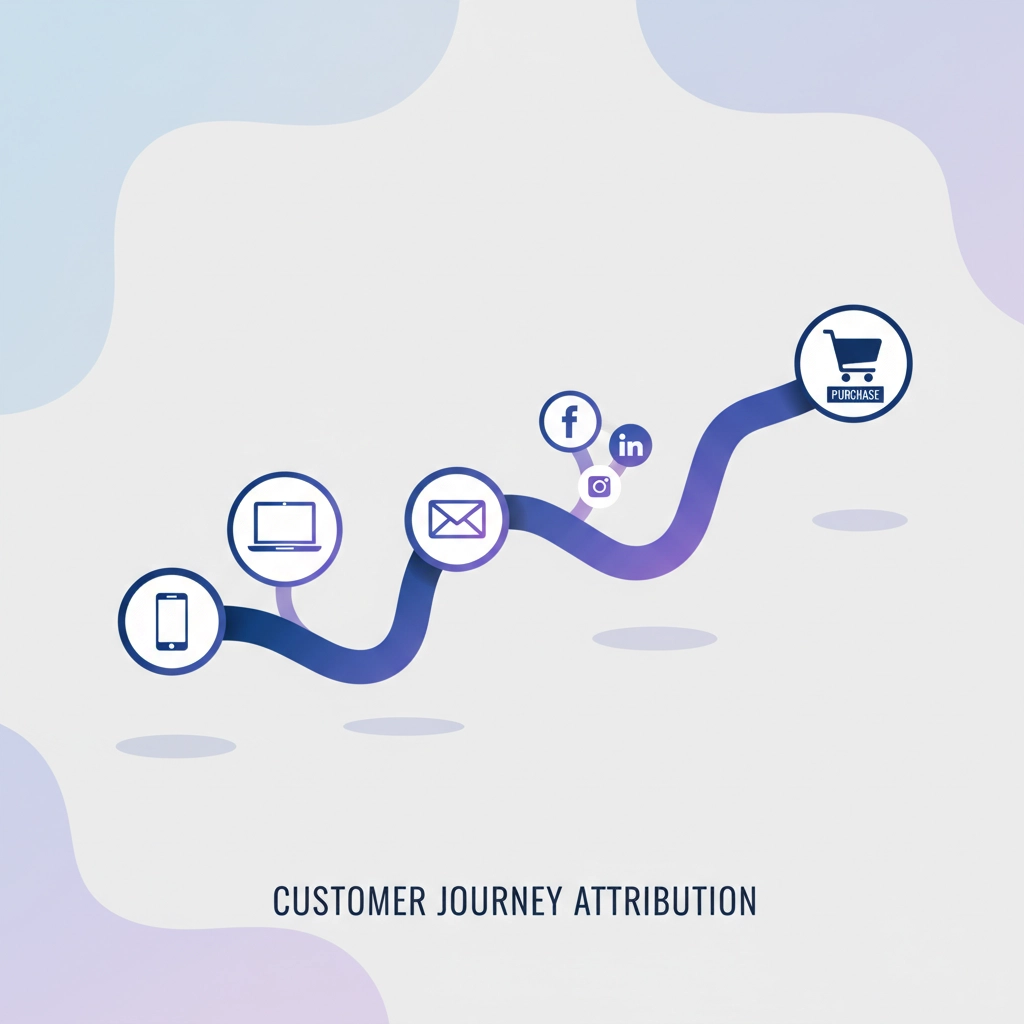
Many ecommerce businesses still rely on last-click attribution, which assigns all conversion credit to the final touchpoint before purchase. This oversimplified approach ignores the complex, multi-channel journey modern customers take before buying, leading to massive misallocation of marketing spend.
When you can't accurately trace which channels and campaigns contribute to conversions, you end up cutting budgets from valuable awareness-building activities while overfunding bottom-funnel tactics. (Source: Google Analytics) data shows that 92% of visitors don't convert on their first visit, making multi-touch attribution essential for understanding true campaign performance.
Fix it fast: Implement multi-touch attribution modeling that recognizes the full customer journey. Track how different channels work together to drive conversions, assigning appropriate credit to each touchpoint. This approach reveals the true value of your marketing investments and enables more strategic budget allocation across channels.
Sign 4: You're Flying Blind on Customer Lifetime Value
Focusing solely on immediate conversion metrics while ignoring customer lifetime value (CLV) leads to shortsighted decisions that prioritize quick wins over long-term profitability. Without CLV tracking, you can't distinguish between customers worth acquiring at higher costs and those who will never generate significant value.
This blind spot costs you in multiple ways: overpaying to acquire low-value customers, underinvesting in retention for high-value segments, and missing opportunities to increase average order values through strategic upselling. (Source: Bain & Company) research demonstrates that increasing customer retention by just 5% can boost profits by 25-95%.
Fix it fast: Build CLV tracking into your core reporting framework. Segment customers by value potential and track metrics like repeat purchase rates, average order frequency, and total customer value over time. Use this intelligence to optimize acquisition costs, personalize retention campaigns, and identify your most valuable customer characteristics for better targeting.
Sign 5: Your Inventory Insights Lag Behind Demand Patterns
Poor inventory reporting costs sales through both stockouts and overstock situations. When your reporting system can't predict demand patterns or alert you to inventory issues before they impact availability, you lose sales to out-of-stock situations while tying up capital in slow-moving inventory.
The problem intensifies across multiple sales channels: what sells well on Amazon might underperform on your Shopify store, but without channel-specific inventory insights, you can't optimize stock allocation. (Source: CSNews) studies show that out-of-stock situations cost retailers $1.1 trillion annually in lost sales.
Fix it fast: Implement predictive inventory analytics that forecast demand patterns across all your sales channels. Set up automated reorder points based on velocity trends and seasonal patterns. Create alerts for products approaching stockout levels and identify slow-moving inventory before it becomes a cash flow problem.
Transform Your Reporting Into a Revenue Engine
These five signs indicate fundamental gaps in your ecommerce reporting infrastructure that directly impact your bottom line. The solution requires moving beyond basic analytics to build a comprehensive data framework that delivers timely, actionable insights across every aspect of your operation.
Modern ecommerce analytics platforms eliminate these reporting failures by providing unified data integration, real-time insights, sophisticated attribution modeling, customer value tracking, and predictive inventory management in a single solution. The businesses that master these capabilities gain sustainable competitive advantages through better decision-making, optimized resource allocation, and improved customer experiences.
Don't let poor reporting continue costing you sales. Discover how PayHelm's analytics platform transforms fragmented data into strategic advantages that drive measurable growth across all your ecommerce channels.