Prepare Amazon Analytics for $1T Agentic Commerce
The commerce landscape is experiencing its most significant transformation since the advent of ecommerce itself. By 2030, agentic commerce: powered by autonomous AI agents that shop, negotiate, and purchase on behalf of consumers: could generate up to $1 trillion in orchestrated revenue within the US B2C retail market alone (Source: McKinsey & Company). For Amazon sellers, this shift demands a complete reimagining of how analytics systems capture, process, and respond to customer data.
Understanding the Agentic Commerce Revolution
Agentic commerce represents a fundamental departure from traditional ecommerce models. Instead of customers manually browsing, comparing prices, and completing purchases, AI agents autonomously execute these tasks based on user preferences and predefined parameters. These agents can evaluate thousands of products across multiple platforms simultaneously, negotiate pricing in real-time, and complete transactions without human intervention.
Amazon is already positioning itself at the forefront of this transformation. The company's enhanced Seller Assistant has evolved from a basic support tool into an autonomous business co-pilot capable of managing inventory, executing pricing strategies, and optimizing marketing campaigns without seller intervention (Source: Amazon Seller Central). This evolution signals how Amazon analytics must adapt to support autonomous decision-making rather than simply reporting historical performance.

Current Amazon Analytics Limitations in an Agentic World
Traditional Amazon reporting focuses on backward-looking metrics: sales performance, traffic patterns, and conversion rates. While these metrics remain valuable, they fail to address the real-time, predictive analytics requirements that agentic commerce demands. AI shopping agents require instant access to inventory levels, dynamic pricing information, and customer preference data to make optimal purchasing decisions.
Most Amazon sellers currently rely on fragmented analytics systems that cannot support the high-volume, concurrent API requests that AI agents generate. When thousands of autonomous agents simultaneously query product availability and pricing across your catalog, traditional analytics infrastructure becomes a bottleneck rather than an enabler.
Essential Infrastructure Upgrades for Agentic Readiness
Implement Real-Time Data Architecture
Transform your Amazon analytics from batch processing to real-time streaming. AI agents cannot wait for overnight data refreshes when making purchasing decisions. Your analytics infrastructure must provide instant updates on inventory levels, pricing changes, and product availability.
Deploy event-driven architectures that capture and process customer interactions, inventory movements, and competitive pricing adjustments as they occur. This real-time approach ensures AI agents always access current information when evaluating your products against competitors.
Establish Machine-Readable Product Data
Optimize your product information for AI consumption rather than human browsing. Implement structured data formats using schema markup that clearly communicate product specifications, pricing tiers, shipping options, and availability windows. AI agents rely on this structured information to quickly evaluate and rank products during autonomous shopping sessions.
Ensure your product descriptions include comprehensive attribute data that AI systems can parse and compare. Generic descriptions that rely on marketing language become invisible to AI agents seeking specific product characteristics and specifications.
Build Robust API Infrastructure
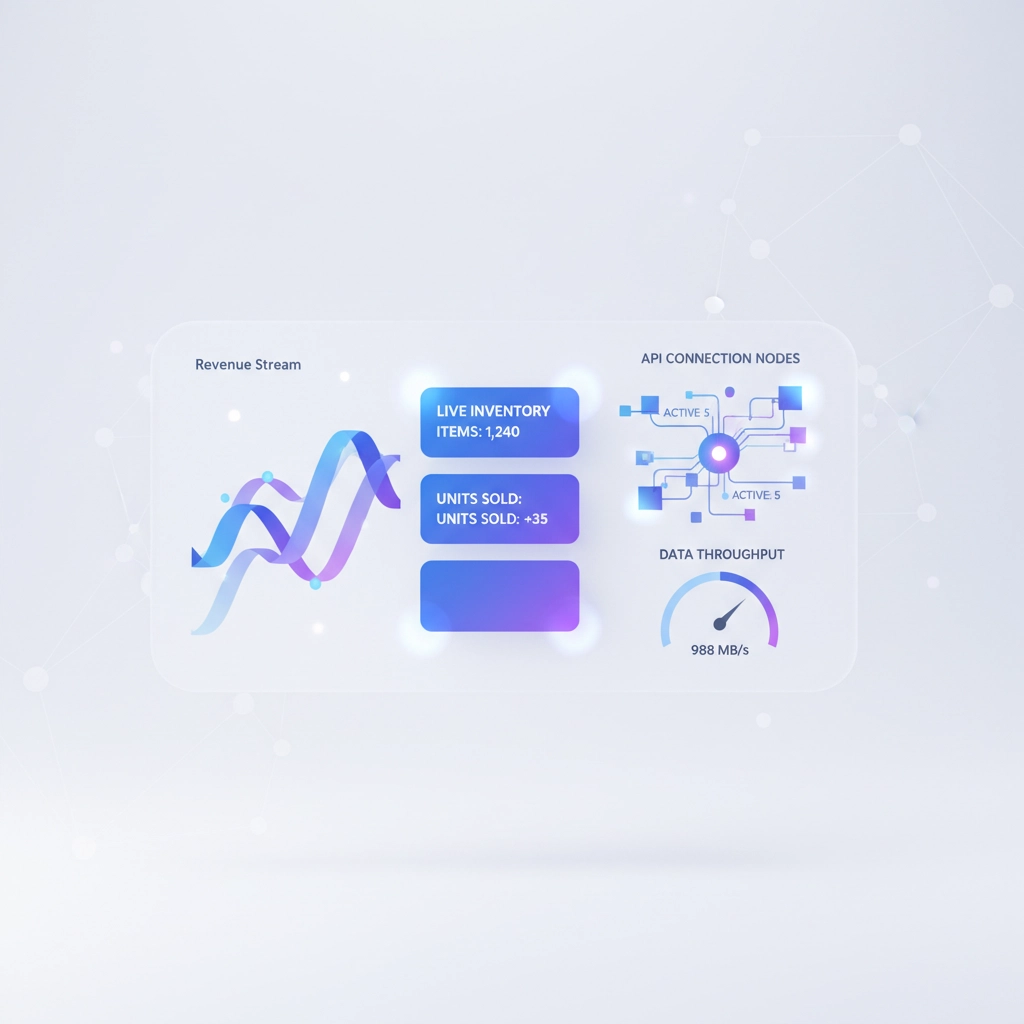
Develop well-documented APIs that allow AI agents to access critical business information without latency. Your API infrastructure must handle concurrent requests from multiple agents while maintaining response times under 100 milliseconds. Slower response times result in AI agents bypassing your products for faster-responding competitors.
Focus on exposing real-time inventory data, current pricing information, shipping estimates, and product specifications through standardized API endpoints. These APIs become your primary interface with the agentic commerce ecosystem.
Advanced Analytics Requirements for Autonomous Commerce
Predictive Inventory Management
Traditional inventory analytics react to stockouts after they occur. Agentic commerce requires predictive systems that anticipate demand patterns and automatically adjust inventory levels before stockouts impact AI agent purchasing decisions.
Implement machine learning models that analyze seasonal trends, promotional impacts, and competitive activities to forecast demand with greater accuracy. These predictive insights enable proactive inventory management that keeps your products available when AI agents initiate purchase flows.
Dynamic Pricing Intelligence
AI agents continuously compare pricing across platforms and suppliers to identify optimal purchase opportunities. Your Amazon analytics must support dynamic pricing strategies that respond to competitive movements and demand fluctuations in real-time.
Deploy pricing algorithms that monitor competitor actions, track demand signals, and automatically adjust prices within predefined parameters. This automated approach ensures your products remain competitive when AI agents conduct price comparisons during autonomous shopping sessions.

Customer Intent Prediction
Agentic commerce relies heavily on understanding and predicting customer needs before explicit purchase requests occur. Your analytics systems must identify patterns in customer behavior that indicate future purchasing intent.
Analyze browsing patterns, search queries, and historical purchase data to build predictive models that anticipate customer needs. These insights enable proactive marketing and inventory positioning that aligns with AI agent shopping patterns.
Integration Strategies for Multi-Channel Analytics
Unified Customer Data Platforms
Implement Customer Data Platforms (CDPs) that aggregate customer interactions across all touchpoints. AI agents require comprehensive customer profiles that include purchase history, preference data, and engagement patterns to deliver personalized shopping experiences.
Your CDP must integrate Amazon data with information from other sales channels, social media interactions, and direct customer communications. This unified view enables AI agents to make informed decisions based on complete customer profiles rather than fragmented data points.
Cross-Platform Performance Tracking
Expand your analytics beyond Amazon-specific metrics to track performance across all channels where AI agents might evaluate your products. Monitor pricing, availability, and customer satisfaction scores across multiple platforms to identify optimization opportunities.
Implement attribution models that track customer journeys across channels and touchpoints. Understanding how AI agents discover and evaluate your products across platforms enables more effective marketing and positioning strategies.
Implementation Roadmap for Analytics Transformation
Phase One: Foundation Building
Begin by auditing your current Amazon analytics capabilities and identifying gaps that prevent real-time data access. Upgrade data storage and processing systems to support streaming analytics rather than batch processing.
Establish API endpoints for critical business data and implement proper documentation and authentication systems. Focus on exposing inventory, pricing, and product information through standardized interfaces that AI agents can easily consume.
Phase Two: Intelligence Integration
Deploy machine learning models for demand forecasting, pricing optimization, and customer intent prediction. These models form the foundation for autonomous decision-making that agentic commerce requires.
Integrate external data sources including competitor pricing, market trends, and industry benchmarks. AI agents compare your products against comprehensive market data, requiring analytics systems that incorporate external intelligence.

Phase Three: Autonomous Operations
Implement automated response systems that adjust inventory, pricing, and marketing strategies based on AI agent behavior patterns. These systems enable your Amazon business to compete effectively in an agent-driven marketplace.
Establish feedback loops that continuously improve your analytics models based on AI agent interactions and purchasing decisions. This continuous improvement approach ensures your systems remain competitive as agentic commerce technology advances.
Measuring Success in the Agentic Era
Traditional ecommerce metrics like click-through rates and session duration become less relevant when AI agents handle shopping tasks. Focus on metrics that reflect autonomous agent engagement: API response times, data accuracy scores, and agent conversion rates.
Track how frequently AI agents select your products during comparison processes and monitor the factors that influence these decisions. Understanding agent selection criteria enables targeted optimizations that improve your competitive position.
Preparing for Platform Evolution
Amazon continues expanding its AI capabilities and autonomous features. Monitor platform updates and beta programs that provide early access to new agentic commerce tools and features (Source: Amazon Web Services). Early adoption of these capabilities positions your business advantageously as the platform evolves.
The transition to agentic commerce represents both challenge and opportunity. Sellers who proactively upgrade their analytics infrastructure and embrace autonomous decision-making will capture disproportionate value from the $1 trillion market opportunity emerging by 2030.
Success in this transformed marketplace requires analytics systems that enable rather than simply report business performance. By implementing real-time data architecture, predictive analytics capabilities, and autonomous response systems, your Amazon business becomes optimally positioned for the agentic commerce revolution ahead.
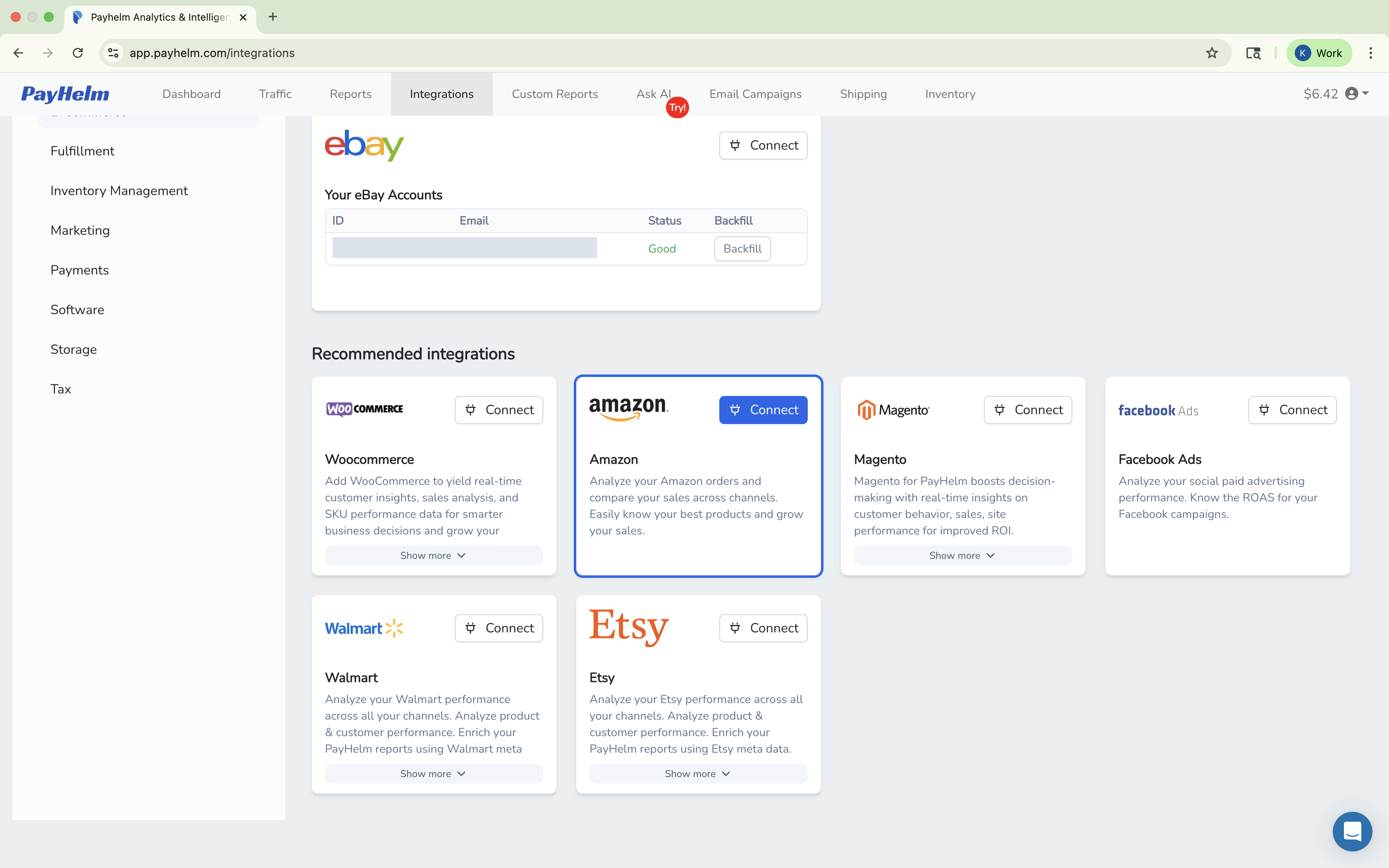
Discover how PayHelm's unified ecommerce analytics can help prepare your Amazon business for the autonomous commerce future with real-time insights and predictive intelligence designed for AI-driven marketplaces.