Real-Time Reporting vs Traditional Dashboards: Which Is Better for Your Multi-Channel Ecommerce Business?
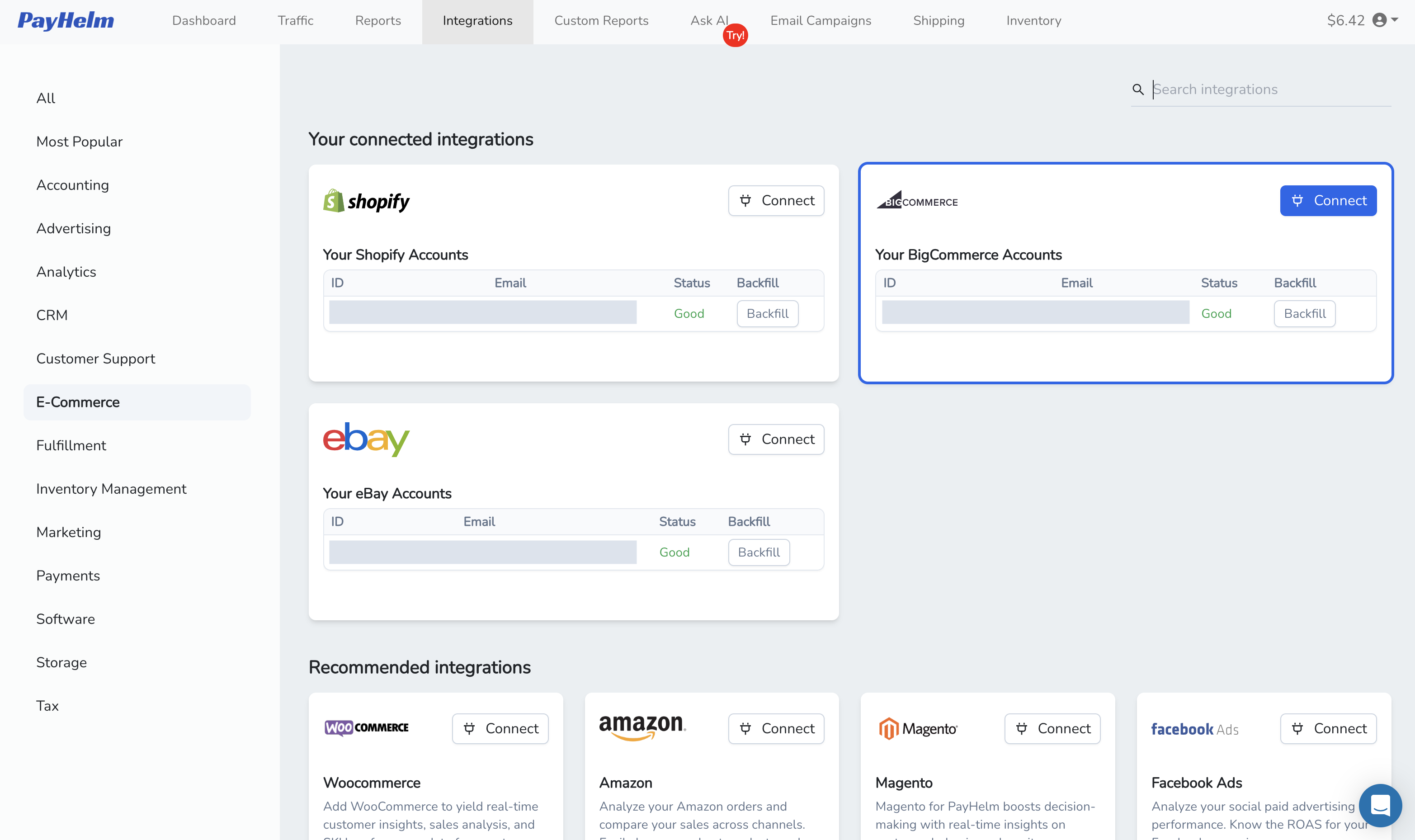
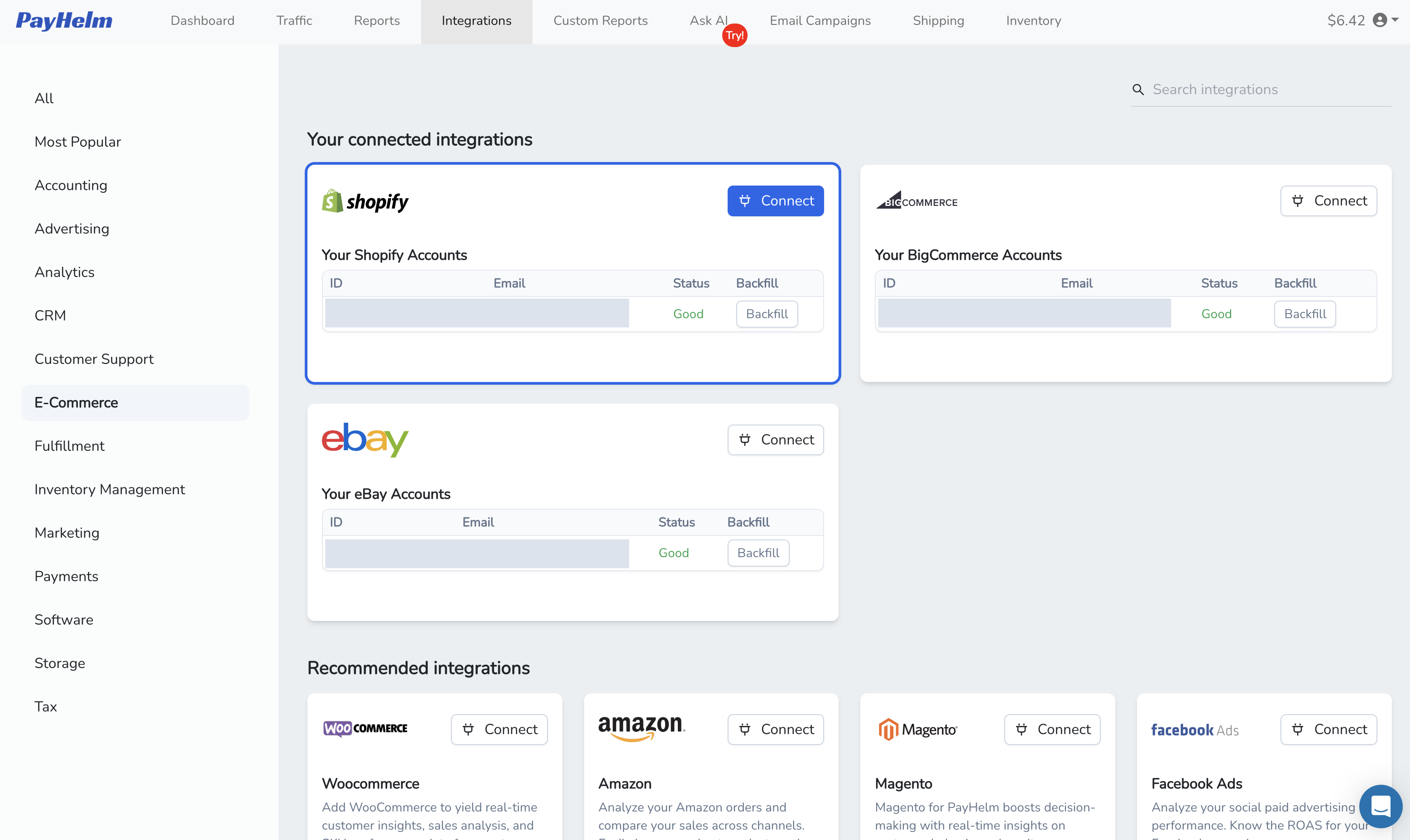
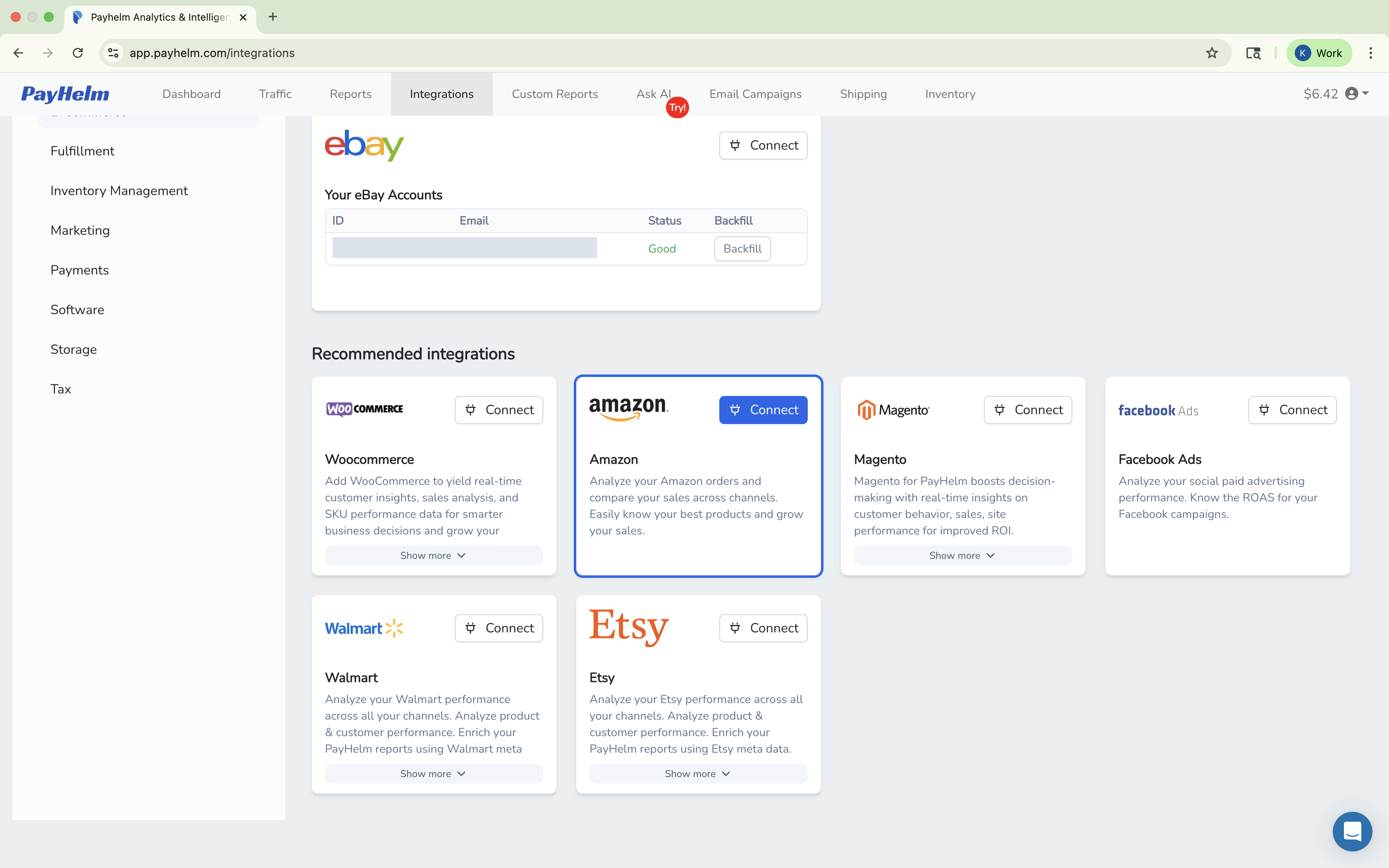
Multi-channel ecommerce businesses face a critical decision when structuring their analytics infrastructure: real-time reporting or traditional dashboards. The choice directly impacts operational efficiency, decision-making speed, and ultimately revenue performance across platforms like Shopify, Amazon, and BigCommerce.
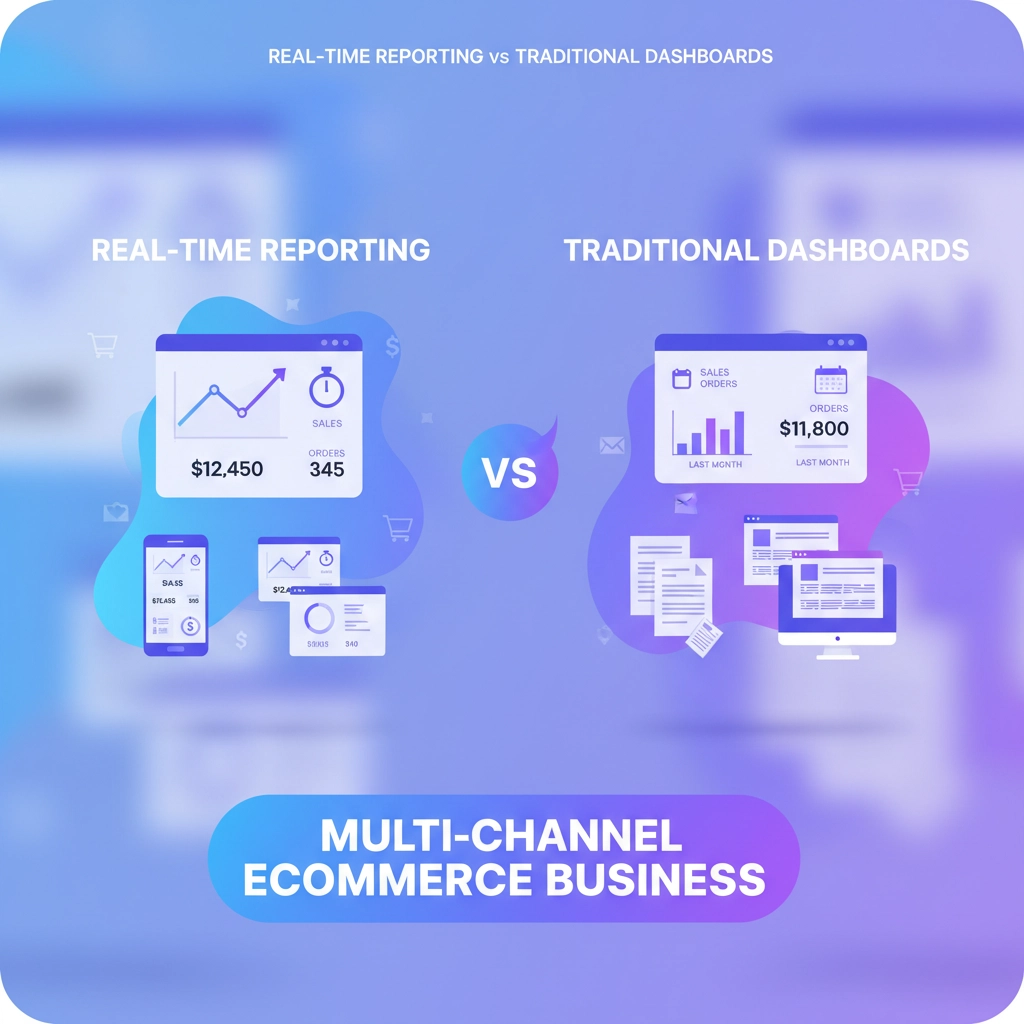
Real-time dashboards deliver continuous data updates through event streaming, in-memory processing, and automated refresh mechanisms. Traditional dashboards operate on scheduled intervals, providing structured analysis with historical context. Understanding which approach serves your business objectives determines whether you capture immediate opportunities or maintain strategic oversight.
Real-Time Reporting: Immediate Visibility and Rapid Response
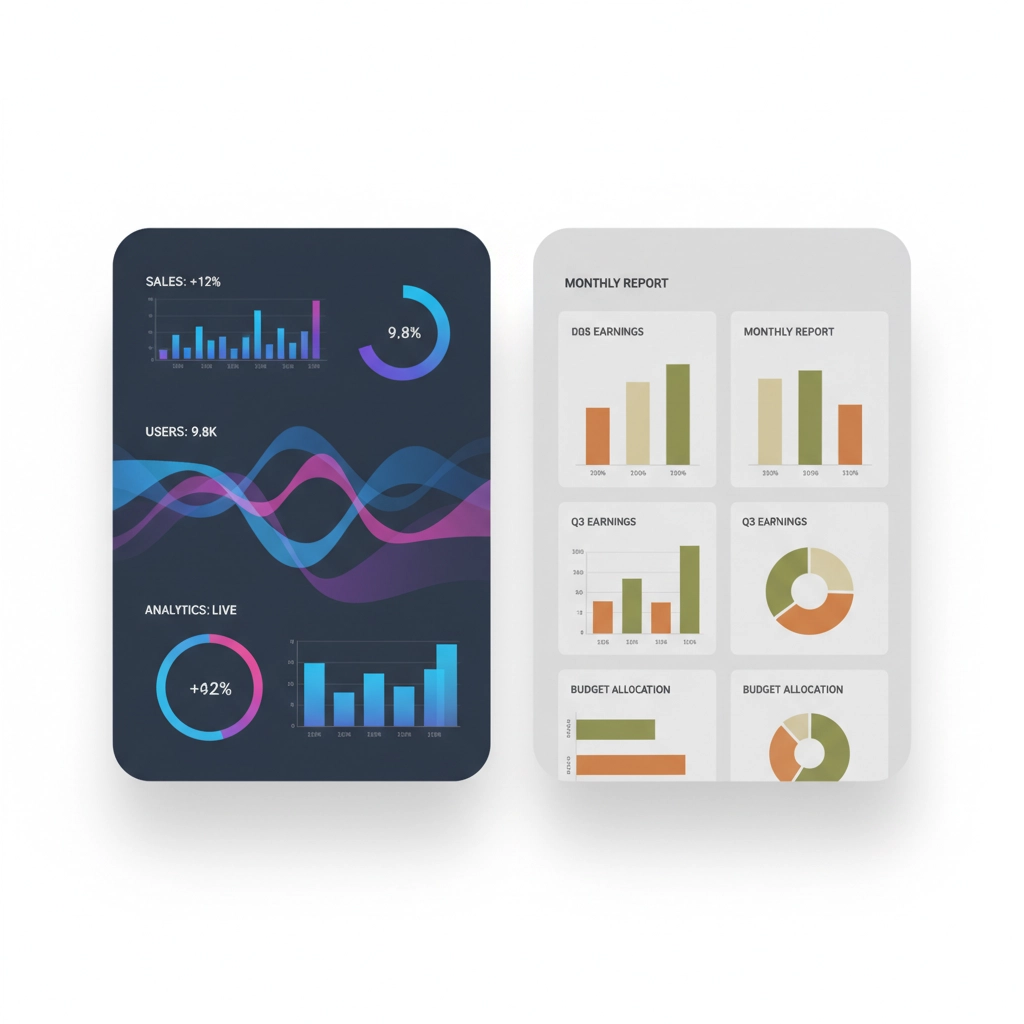
Real-time dashboards connect directly to data sources, reflecting changes within seconds of occurrence (Source: Klipfolio). When inventory levels shift, sales complete, or customer service tickets escalate, these systems update instantly across all connected platforms.
Core Advantages for Ecommerce Operations
Instant Performance Monitoring
Real-time systems provide immediate visibility into critical metrics, enabling instant detection of anomalies or performance deviations (Source: Sisense). Major ecommerce platforms report conversion rate improvements of up to 20% after implementing real-time monitoring capabilities.
Immediate Issue Resolution
Multi-channel operations require prompt intervention when problems emerge. Real-time dashboards enable businesses to address inventory discrepancies, payment processing failures, or shipping delays before they impact customer experience. Remote teams particularly benefit from this immediate visibility across distributed operations.
Enhanced Decision-Making Speed
Decision-makers access current performance data without delays, enabling rapid responses to emerging opportunities or bottlenecks. Flash sales, promotional campaigns, and high-traffic events demand this level of responsiveness to maximize revenue potential.
Implementation Challenges
Data Integrity Concerns
Real-time systems rely on live data feeds susceptible to errors, connectivity issues, or temporary spikes that can impact accuracy (Source: Sisense). Businesses must implement validation mechanisms to ensure decision-making relies on accurate information.
Information Overload
Continuous data streams generate overwhelming volumes of information. Teams require sophisticated filtering and prioritization systems to focus on actionable insights rather than data noise.
Limited Historical Context
Real-time dashboards prioritize current state over historical perspective, potentially missing long-term trends essential for strategic planning (Source: Sisense).
Traditional Dashboards: Strategic Analysis and Historical Insight
Traditional dashboards excel in structured analysis, providing comprehensive historical context that real-time systems often lack. These systems process and validate data before presentation, delivering stable, verified information for strategic decision-making.

Strategic Planning Advantages
Comprehensive Trend Analysis
Traditional dashboards reveal patterns and performance trajectories over extended periods. This historical perspective proves essential for forecasting demand, evaluating seasonal patterns, and assessing customer lifetime value across multiple channels.
Data Stability and Accuracy
Information undergoes thorough processing and validation before presentation, reducing risks associated with temporary anomalies or system glitches that might appear in real-time feeds.
Structured Decision Support
Organized, digestible information presentation supports methodical analysis and documentation required for compliance reporting, financial reviews, and stakeholder presentations.
Operational Limitations
Delayed Response Capability
Scheduled refresh intervals create gaps between event occurrence and visibility, potentially missing time-sensitive opportunities or critical issues requiring immediate attention.
Reduced Operational Agility
Multi-channel ecommerce operations often require immediate responses to inventory changes, customer inquiries, or system failures that traditional dashboards cannot support effectively.
Feature-by-Feature Comparison
| Dimension |
Real-Time Dashboards |
Traditional Dashboards |
| Data Refresh Rate |
Continuous (seconds to minutes) |
Scheduled intervals (hourly, daily, weekly) |
| Decision-Making Speed |
Immediate response capability |
Planned, strategic decision support |
| Historical Analysis |
Limited focus on current state |
Comprehensive trend identification |
| Data Reliability |
Potential temporary errors |
Stable, validated information |
| Use Case Optimization |
Operational monitoring, crisis response |
Strategic planning, compliance reporting |
| Information Complexity |
High volume, requires filtering |
Structured, manageable presentation |
| Infrastructure Requirements |
Higher processing demands |
Lower operational overhead |
Strategic Application Scenarios
When Real-Time Dashboards Excel
Inventory Management Across Platforms
Multi-channel operations require continuous monitoring of stock levels across Shopify, Amazon, and BigCommerce to prevent overselling. Real-time systems immediately reflect inventory changes, enabling automatic adjustments across all platforms.
Campaign Performance Optimization
Flash sales, promotional events, and advertising campaigns demand immediate visibility into conversion rates, click-through rates, and revenue generation. Real-time monitoring enables rapid optimization adjustments to maximize campaign effectiveness.
Customer Service Excellence
Support teams require instant access to order status, shipping updates, and customer interaction history. Real-time dashboards ensure service representatives have current information for every customer interaction.
International Operations Management
Businesses operating across multiple time zones need continuous monitoring capabilities to address issues immediately, regardless of local business hours in different regions.
When Traditional Dashboards Provide Superior Value
Financial Reporting and Compliance
Monthly, quarterly, and annual financial reviews require comprehensive historical data analysis. Traditional dashboards provide the structured, validated information necessary for stakeholder presentations and regulatory compliance.
Strategic Business Planning
Long-term forecasting, market analysis, and growth planning benefit from historical trend analysis that traditional dashboards provide. Strategic decisions require comprehensive context rather than immediate data streams.
Performance Evaluation Periods
Campaign effectiveness evaluation, seasonal performance analysis, and year-over-year comparisons require structured historical data presentation that traditional systems handle more effectively.
Implementation Strategy: Hybrid Approach for Maximum Impact
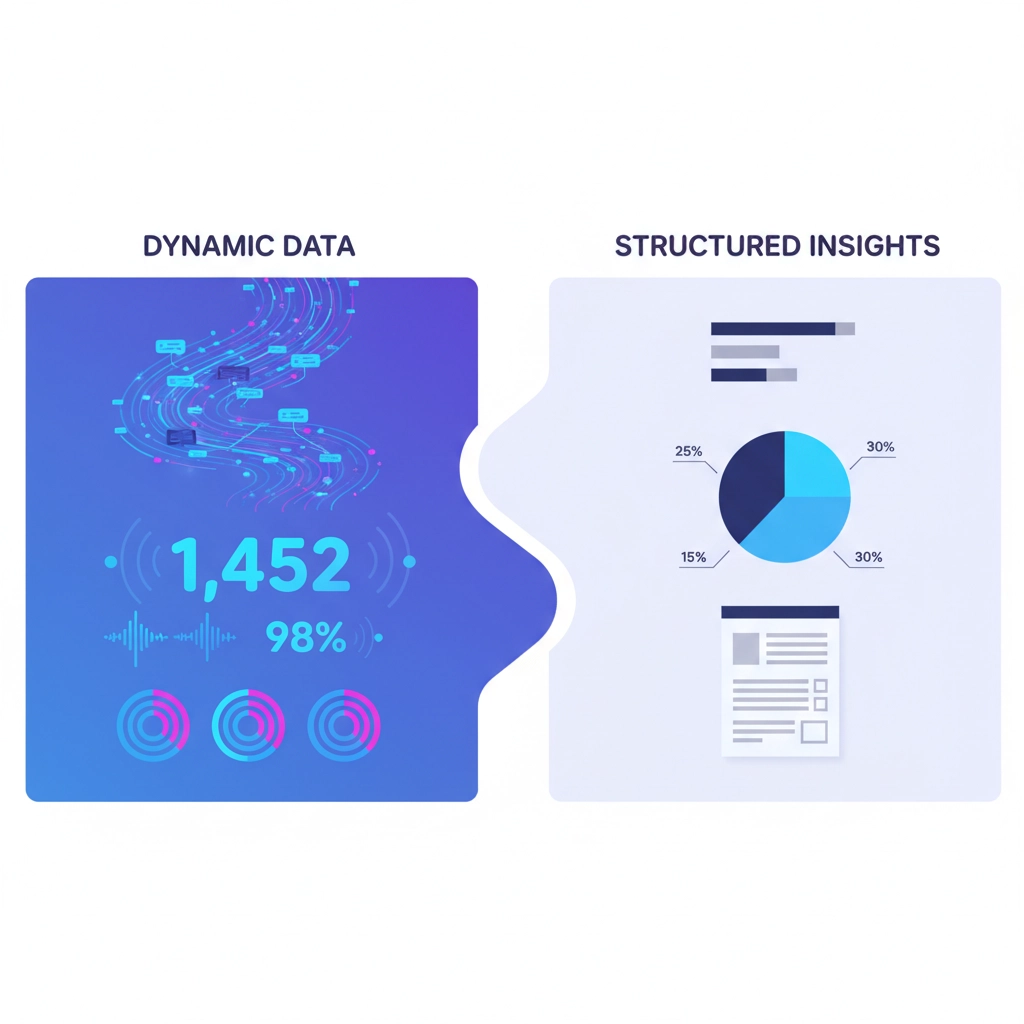
Successful multi-channel ecommerce businesses implement both systems strategically. Real-time dashboards serve operational teams managing daily activities, while traditional dashboards support executive leadership and strategic planning functions.
Operational Team Configuration
Deploy real-time dashboards for inventory managers, customer service representatives, and marketing teams executing active campaigns. These teams require immediate visibility into performance metrics, system alerts, and customer interactions to maintain operational excellence.
Strategic Team Configuration
Implement traditional dashboards for executive leadership, financial analysis, and strategic planning teams. These stakeholders require comprehensive historical context, validated data accuracy, and structured presentation formats for informed decision-making.
Integration Considerations
Modern analytics platforms enable seamless switching between real-time and traditional views within unified interfaces. This flexibility allows users to access immediate operational data while maintaining the ability to analyze historical trends and patterns when needed.

Maximizing Multi-Channel Performance Through Strategic Analytics
The choice between real-time reporting and traditional dashboards ultimately depends on specific business requirements, operational scale, and decision-making processes. High-volume ecommerce operations benefit most from hybrid implementations that provide operational agility through real-time monitoring while maintaining strategic oversight through traditional analysis.
Businesses experiencing rapid growth, managing complex multi-channel operations, or operating in competitive markets require real-time capabilities to maintain market position. Organizations prioritizing strategic planning, financial reporting, or compliance requirements benefit more from traditional dashboard stability and comprehensive analysis capabilities.
Modern ecommerce analytics platforms provide the flexibility to implement both approaches within integrated systems, eliminating the need to choose exclusively between immediate visibility and historical insight. Discover how PayHelm's unified analytics platform combines real-time monitoring with comprehensive historical analysis to maximize multi-channel ecommerce performance.