Why Traditional Project Administration Falls Short for Modern Ecommerce
Running a multi-channel ecommerce business in 2026 means juggling data from dozens of sources: Shopify or BigCommerce stores, Amazon seller accounts, Google Ads campaigns, email platforms like Klaviyo, and fulfillment systems like ShipStation. Traditional project administration methods—spreadsheets, manual reporting, and siloed dashboards—simply cannot keep pace with this complexity.
The result? Merchants waste hours every week compiling reports, miss critical insights buried in disconnected data, and make decisions based on outdated information. There's a better way.
The Problem with Traditional Reporting Methods
Most ecommerce teams still rely on manual processes that made sense when businesses sold on a single platform. Weekly exports to Google Sheets, pivot tables stitched together from multiple sources, and reports that are outdated by the time they're finished.
This approach has three fundamental flaws:
- Time drain: Manual data compilation consumes 10-15 hours weekly for growing brands
- Data lag: By the time reports are ready, market conditions have already shifted
- Siloed insights: Disconnected tools make it impossible to see the complete customer journey
Consider the path a typical customer takes: they discover your brand through a Meta Ads campaign, research on Amazon, purchase through your Shopify store, and receive updates via Klaviyo. Traditional project administration treats each touchpoint as separate, losing the thread that connects them.
How Customer Success Stories Reveal the Gap
Working with hundreds of multi-channel retailers has shown us consistent patterns. Brands that continue using traditional methods hit a ceiling around $2-3M in annual revenue. Beyond that point, the complexity overwhelms manual processes.
Take the experience of successful PayHelm customers. Before switching to unified analytics, merchants like those featured in our customer success stories spent entire days each month reconciling data between platforms. After connecting their data sources, that same analysis happens automatically in real-time.
One multi-channel retailer discovered that customers acquired through Google Ads and nurtured via email had 3x higher lifetime value than other channels. This insight was invisible when each platform lived in its own reporting silo.
The AI-Powered Alternative
Modern ecommerce analytics platforms leverage AI to solve what manual project administration cannot. Instead of compiling reports, AI continuously analyzes patterns across all your data sources simultaneously.
PayHelm's approach to AI-powered insights transforms raw data into actionable intelligence:
- Automated anomaly detection: AI identifies unusual patterns in sales, traffic, or ad performance before they become problems
- Cross-channel attribution: Machine learning tracks the complete customer journey across platforms
- Predictive forecasting: AI models anticipate demand based on historical patterns and market signals
This isn't about replacing human judgment—it's about giving merchants the complete picture they need to make informed decisions quickly.
Unifying Your Data Sources
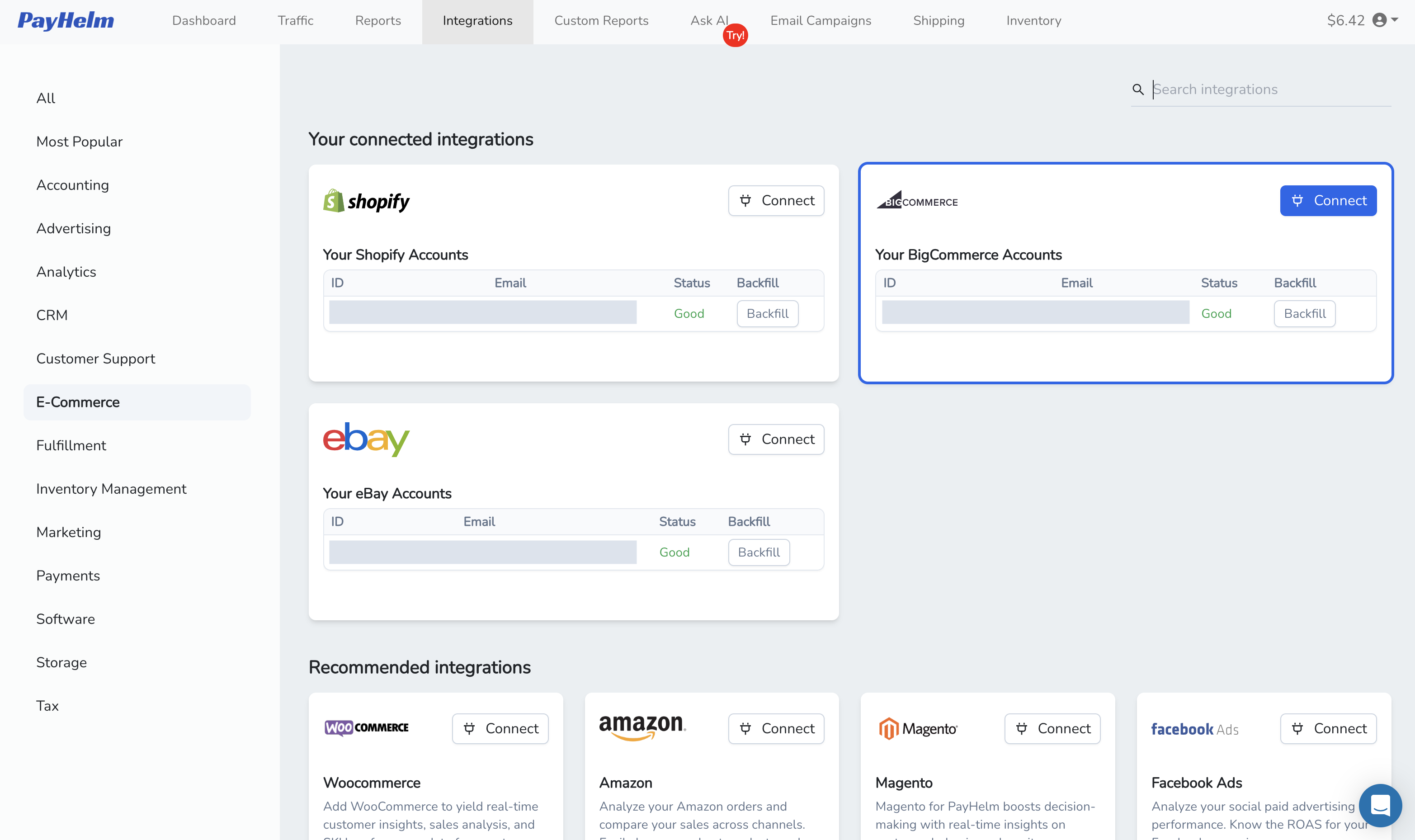
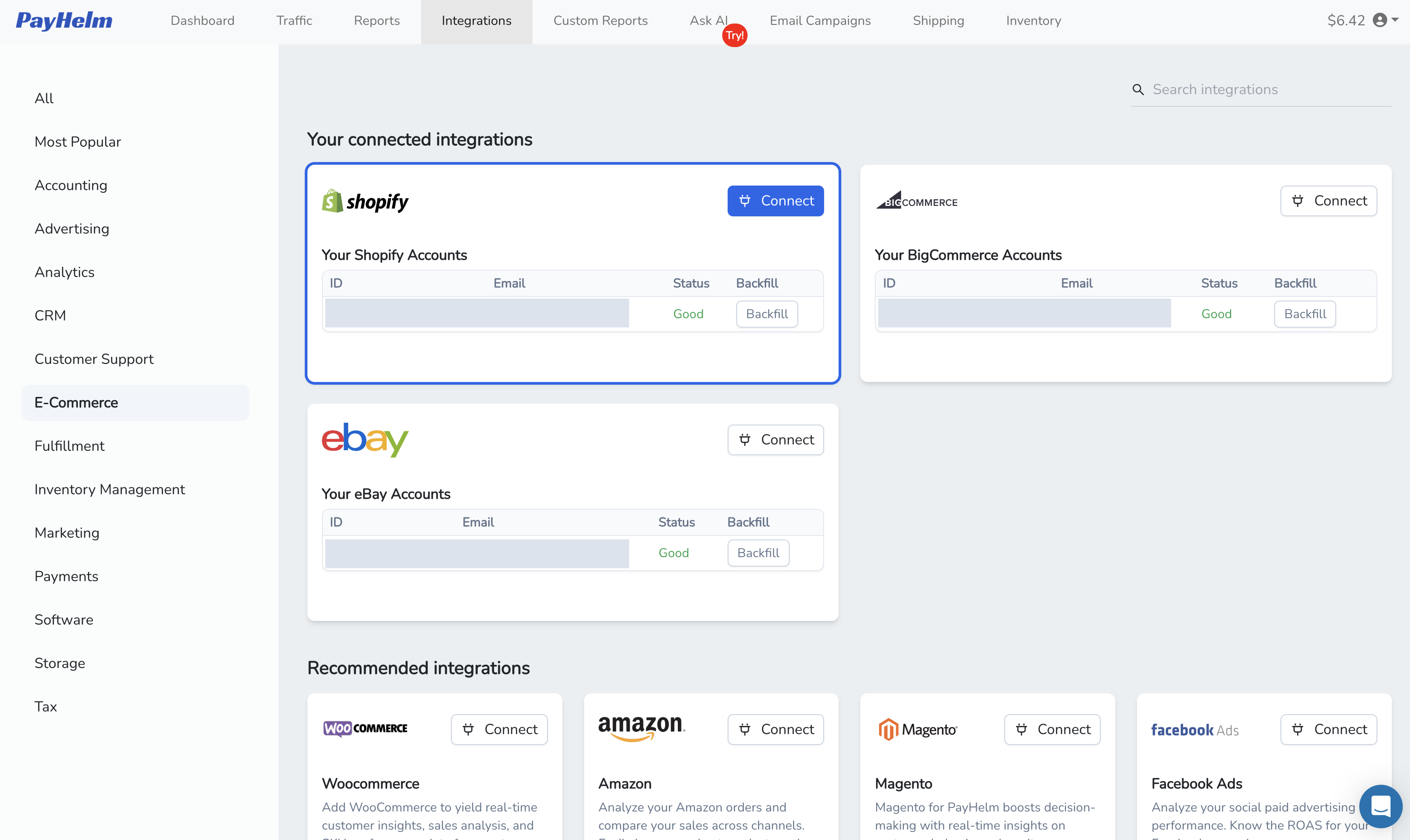
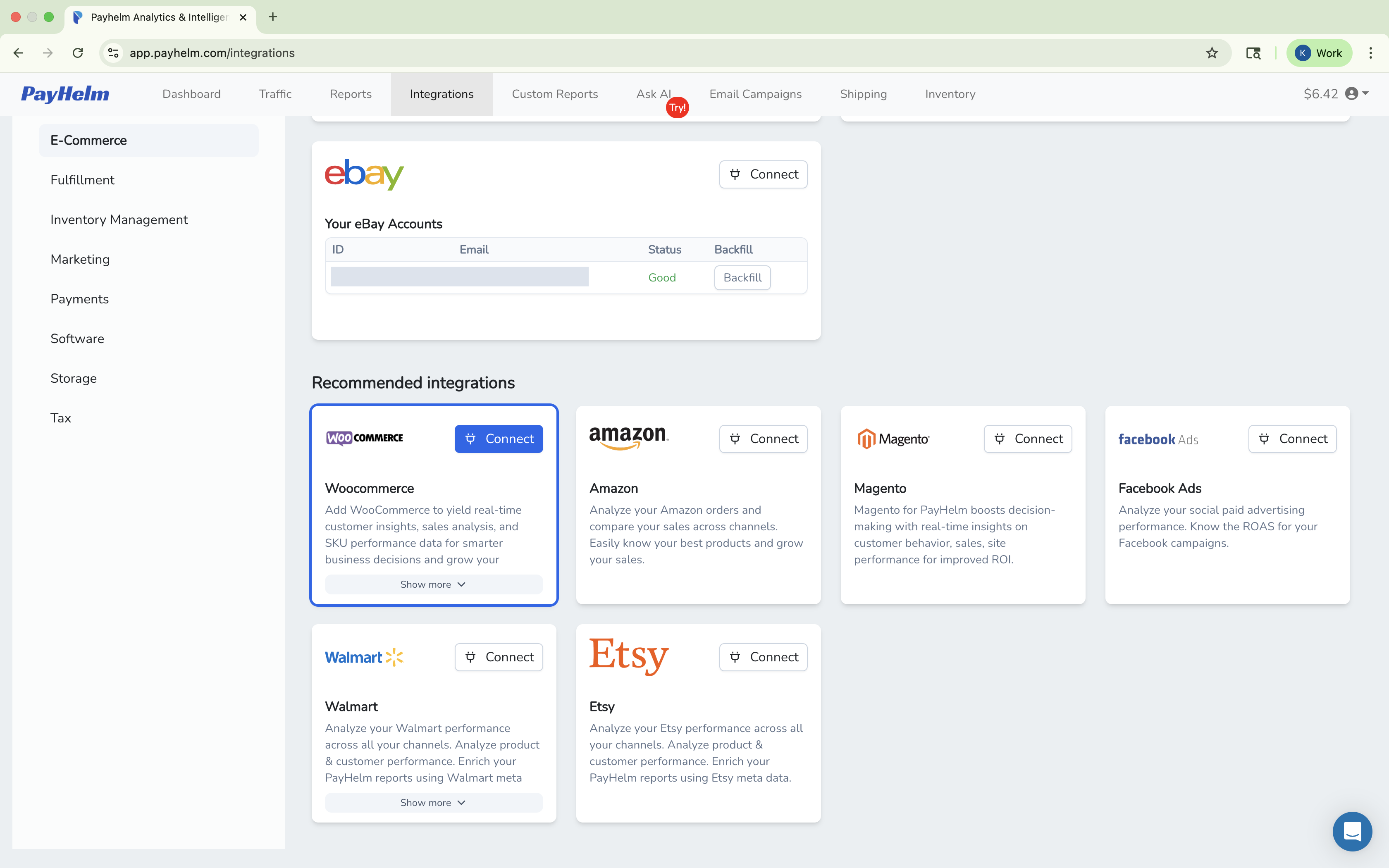
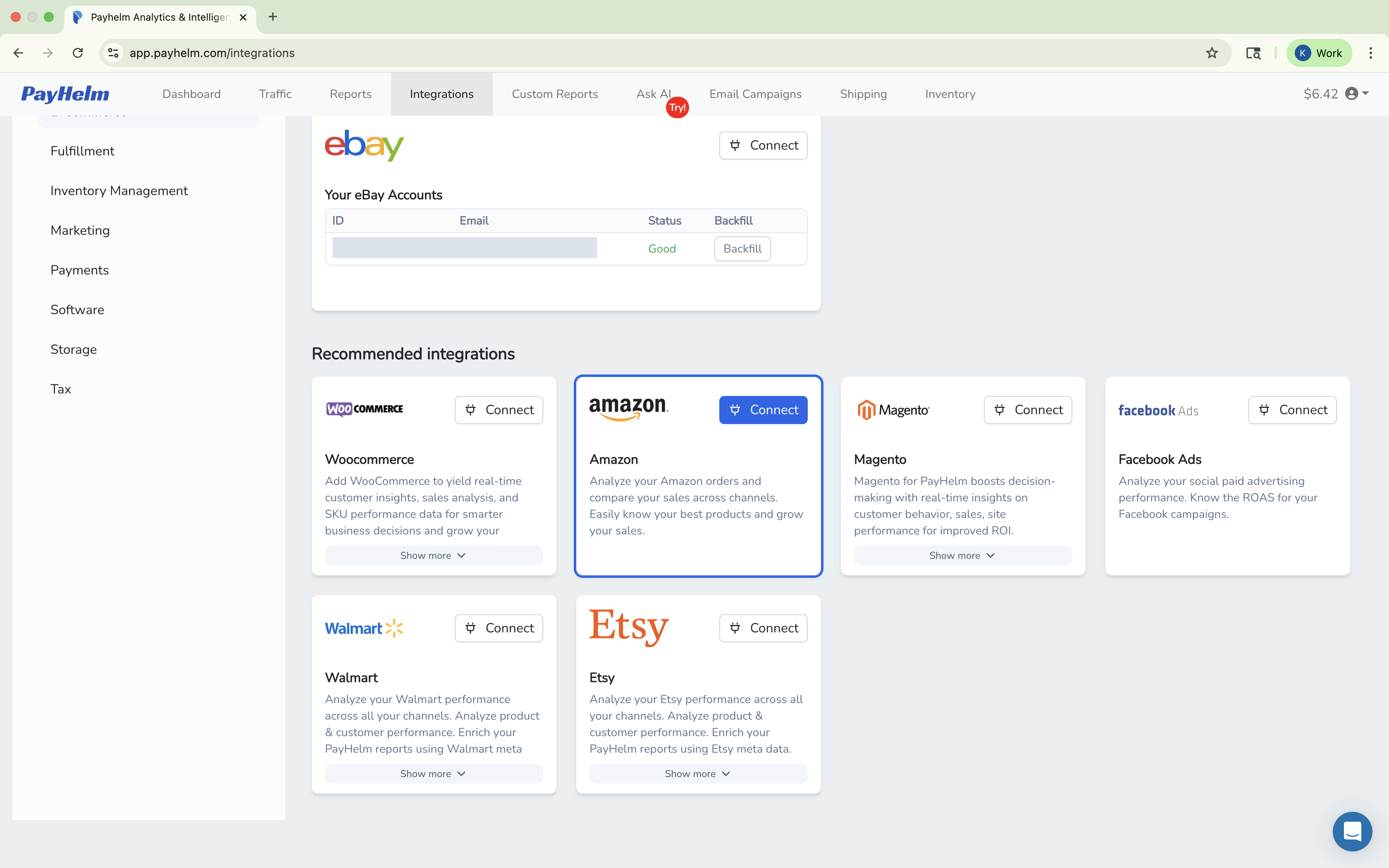
The foundation of modern ecommerce analytics is data unification. Rather than logging into separate dashboards for Amazon Ads, Google Ads, and your ecommerce platform, unified analytics brings everything together.
Key integrations that successful merchants connect:
With 50+ native integrations, connecting your data sources takes minutes, not the weeks required for custom development.
Real-Time Reporting That Actually Works
The shift from traditional project administration to automated analytics delivers immediate benefits. Instead of weekly or monthly reporting cycles, merchants access real-time dashboards that update continuously.
For teams that still need spreadsheet exports—whether for finance reviews, investor updates, or custom analysis—modern platforms offer one-click exports to Google Sheets. The difference: the data is already clean, unified, and current.
This approach preserves the flexibility of spreadsheets while eliminating the hours spent on data compilation and reconciliation.
Making the Transition
Moving from traditional methods to unified analytics doesn't require a complete operational overhaul. Most PayHelm merchants complete their initial setup in under two minutes per integration.
The transition typically follows this pattern:
- Connect core platforms: Start with your primary ecommerce platform and largest advertising channels
- Validate data accuracy: Compare unified reports against your existing methods to build confidence
- Expand integrations: Add secondary channels, email platforms, and fulfillment systems
- Retire manual processes: Phase out spreadsheet-based reporting as automated dashboards prove reliable
The Bottom Line
Traditional project administration methods served ecommerce well when businesses operated on single platforms with straightforward customer journeys. That era has passed.
Today's multi-channel reality demands analytics that match its complexity. AI-powered platforms that unify data across all your sources, provide real-time insights, and automate what previously required hours of manual work.
The merchants who thrive in this environment aren't necessarily the ones with the biggest teams or budgets. They're the ones who've embraced tools that turn data chaos into competitive advantage.
Ready to move beyond traditional project administration? Book a demo to see how PayHelm transforms multi-channel analytics for growing ecommerce brands.