Integrations
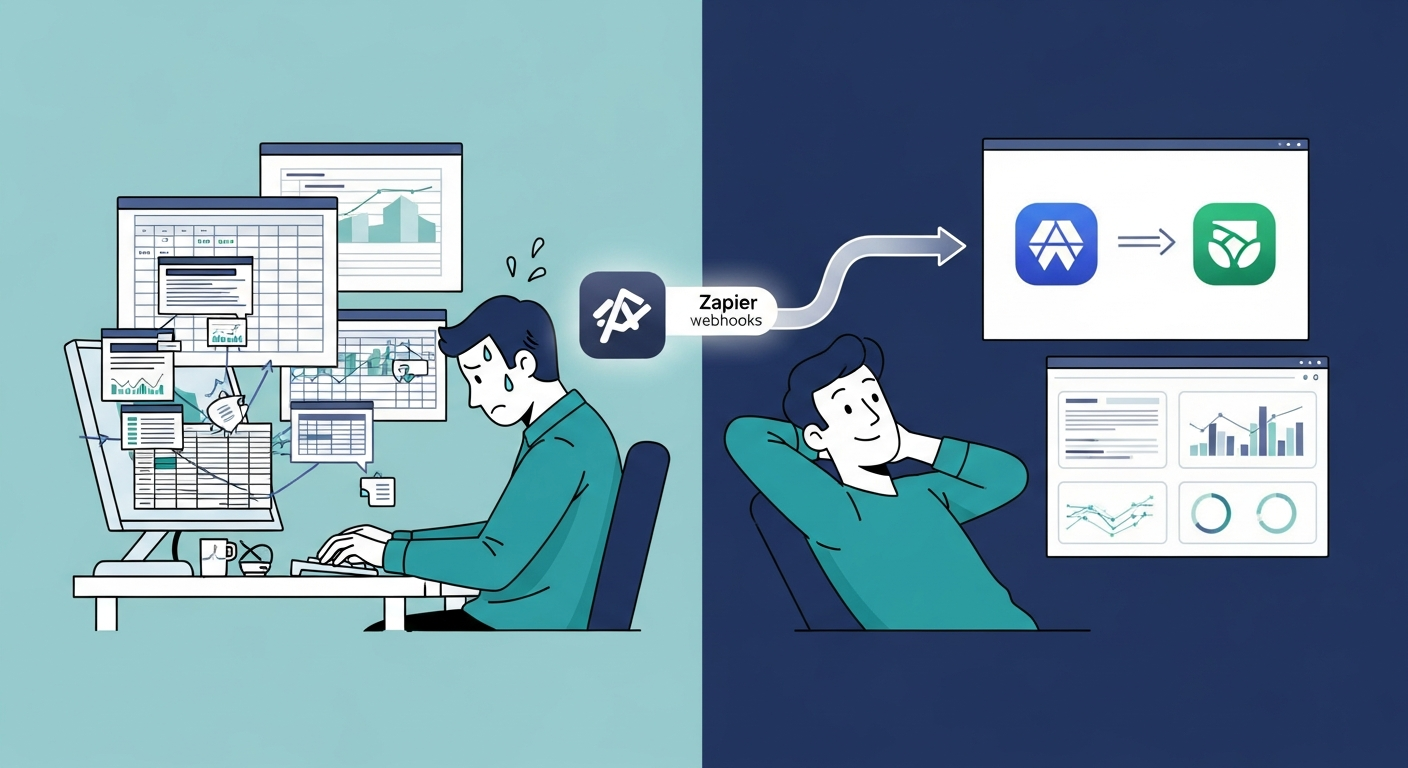
Connect Any App to PayHelm: Send Data via Zapier Webhooks
PayHelm now accepts data from over 7,000 apps through Zapier webhooks. No custom code, no dev sprint — just an API key and a webhook. Here's exactly how to set it up.
Every month, thousands of ecommerce businesses unknowingly throw money down the drain because their attribution models are broken. Learn how to fix your attribution and stop wasting ad spend.
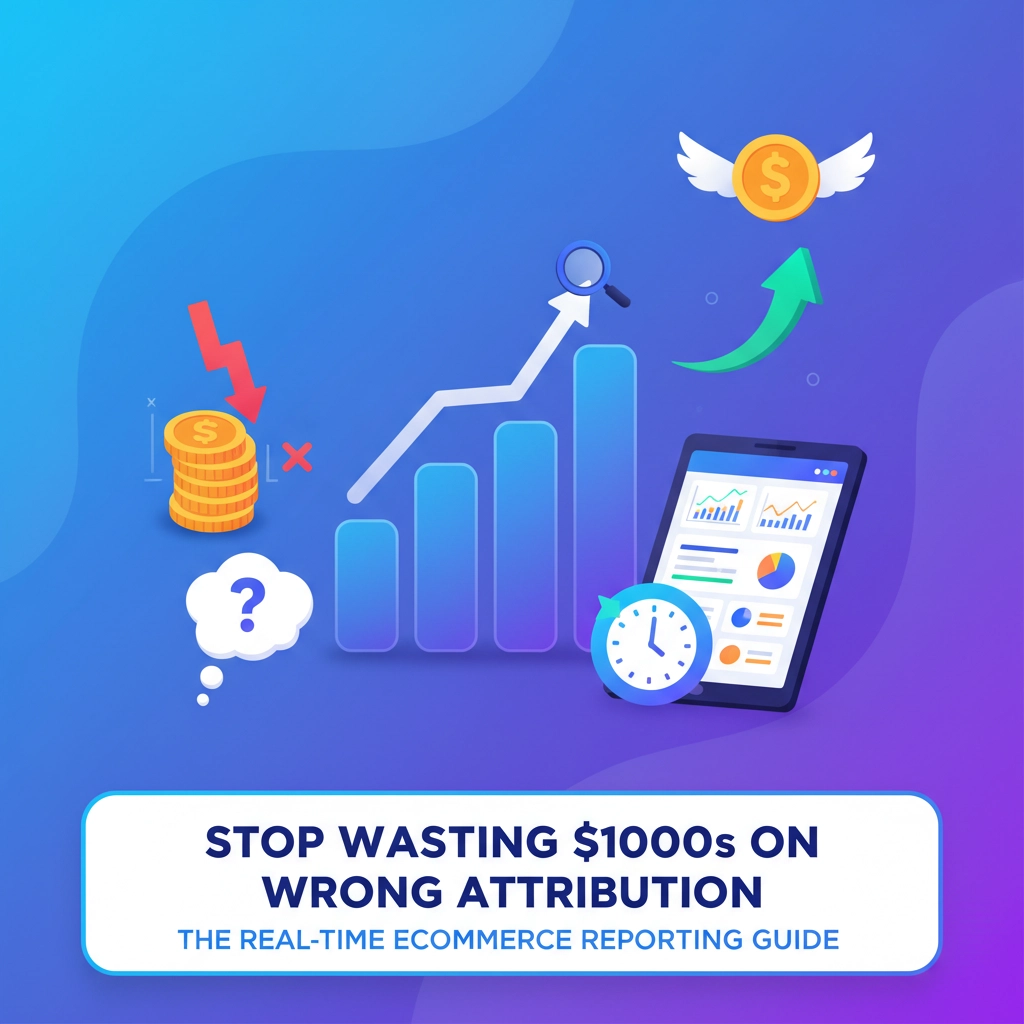
Every month, thousands of ecommerce businesses unknowingly throw money down the drain because their attribution models are broken. You might think your Facebook ads are crushing it while your Google campaigns are underperforming: but what if the complete opposite is true?
The harsh reality is that traditional ecommerce analytics are failing businesses at an alarming rate. Studies show that platforms like Google Analytics can underreport conversions by 20-50%, creating a dangerous blind spot that gets more expensive as you scale (Source: Search Engine Land).
Here's a sobering example: You're spending $10,000 monthly on ads across multiple channels. Your Shopify analytics show Channel A delivering a $25 cost per acquisition (CPA) while Channel B shows $45. Naturally, you shift more budget to Channel A.
But what if Channel A's actual CPA is $55, and Channel B's is really $30? You're not just missing opportunities: you're actively burning cash on the wrong campaigns.
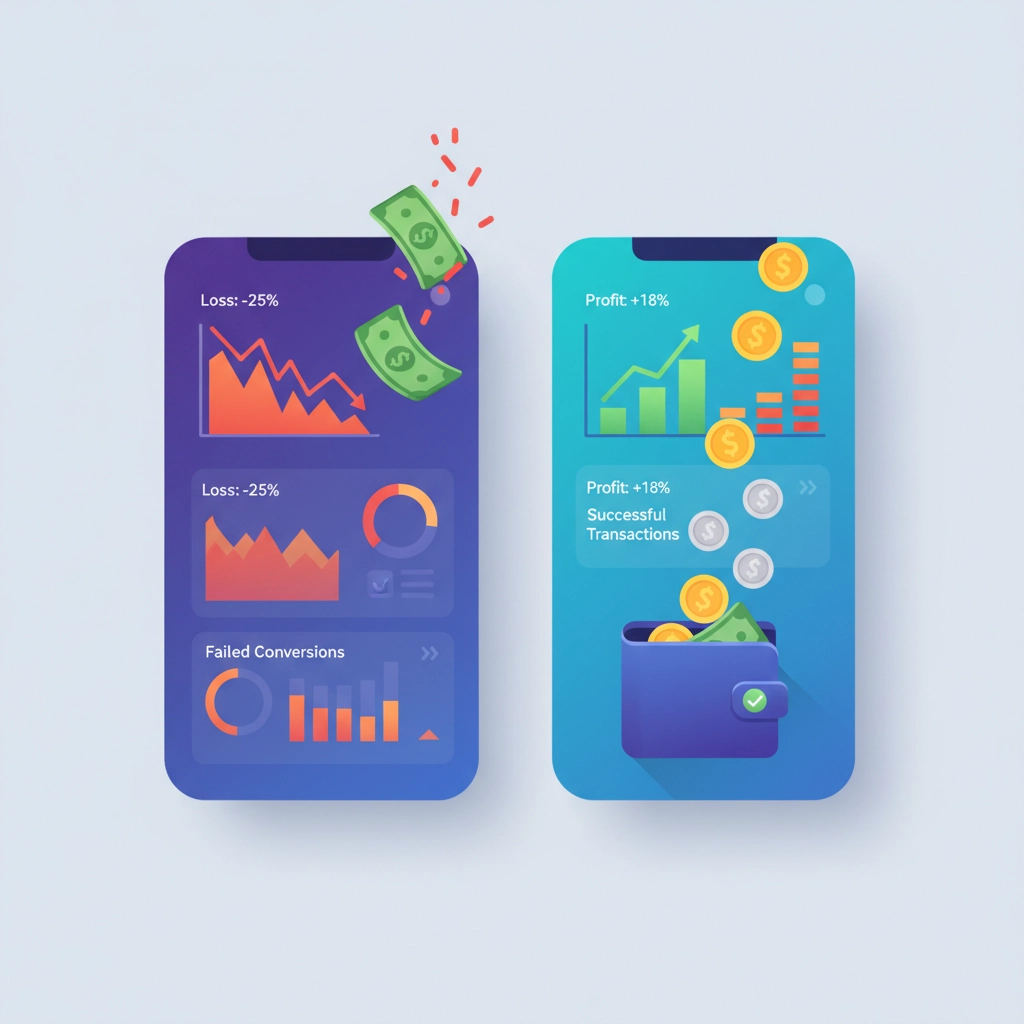
This attribution nightmare becomes exponentially worse as businesses grow. What costs a few hundred in wasted spend at $10K monthly can easily balloon to tens of thousands at $100K+ monthly budgets. The financial impact compounds because wrong attribution doesn't just waste current spend: it also misdirects future strategic decisions.
Traditional attribution models were built for a simpler digital landscape. They assume linear customer journeys: customer sees ad, clicks ad, buys product. Done.
But modern ecommerce customers interact with brands across multiple touchpoints before converting. They might:
Traditional bigcommerce analytics, woocommerce reporting, and even amazon analytics often only capture the last click, completely ignoring the crucial touchpoints that actually influenced the purchase decision.
Real-time ecommerce reporting captures data as it happens, providing immediate visibility into campaign performance across all channels simultaneously. Unlike traditional batch processing that updates data every 24-48 hours, real-time systems enable instant optimization decisions.
Key advantages include:
Immediate Performance Visibility: See campaign results within minutes, not days
Cross-Platform Integration: Connect Shopify reporting, amazon reporting, and other platforms in one dashboard
True Multi-Touch Attribution: Credit all touchpoints that contributed to conversions
Instant Budget Optimization: Shift spend to high-performing campaigns immediately

The difference is transformative. Instead of waiting until Wednesday to see how Monday's campaigns performed, you can optimize them Monday afternoon: or even Monday morning.
Start by comparing your platform reports against actual sales data. Pull your Shopify analytics, BigCommerce analytics, or WooCommerce analytics and compare them to:
Most businesses discover significant discrepancies: often 30-60% underreporting of actual performance (Source: Digital Marketing Institute).
Last-Click Attribution: Credits only the final touchpoint before conversion. Simple but often inaccurate for multi-channel strategies.
First-Click Attribution: Credits the initial customer interaction. Useful for awareness campaigns but ignores nurturing efforts.
Multi-Touch Attribution: Distributes credit across all customer touchpoints. More complex but significantly more accurate for most ecommerce businesses.
For businesses running campaigns across multiple channels, multi-touch attribution typically provides the most actionable insights.
Real-time attribution requires connecting all your ecommerce reporting streams:
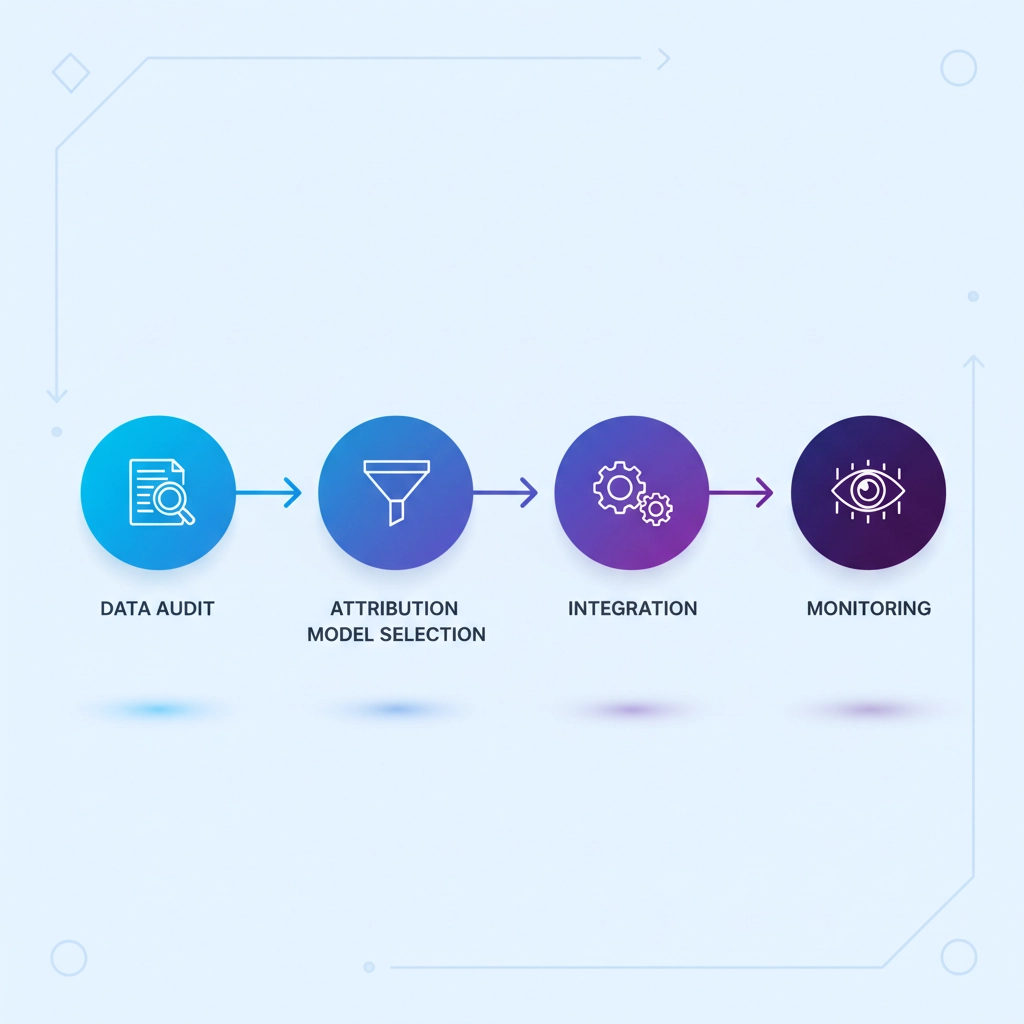
This integration creates a unified view of customer interactions across every touchpoint in your funnel.
Configure alerts for key performance indicators:
Real-time alerts enable immediate response to campaign issues before they consume significant budget.
As ecommerce businesses grow beyond $100K monthly revenue, basic platform analytics become insufficient. Advanced attribution platforms offer sophisticated capabilities including:
Revenue Attribution: Directly tie marketing activities to actual revenue, not just conversions
Cross-Device Tracking: Follow customers across mobile, tablet, and desktop interactions
Cohort Analysis: Understand how different customer segments respond to various channels
Predictive Analytics: Forecast customer lifetime value and optimal acquisition costs
These platforms integrate seamlessly with existing ecommerce analytics while providing the granular insights needed for strategic decision-making at scale.
Implement regular validation processes to ensure your attribution remains accurate:
Weekly Data Audits: Compare attribution reports against actual sales data
Monthly Cross-Platform Analysis: Verify consistency across different reporting tools
Quarterly Attribution Model Reviews: Assess whether your chosen model still fits your customer journey

Businesses often discover that attribution accuracy degrades over time as customer behavior evolves, making regular assessment crucial for maintaining reliable insights.
Proper attribution immediately impacts profitability. Consider this scenario:
This accuracy improvement enables either spending the same budget for 50% more customers or maintaining current acquisition volume while reducing spend by $16,500 monthly.
The investment in advanced ecommerce reporting tools typically pays for itself within 30-60 days through improved campaign efficiency and reduced budget waste.
Over-Relying on Platform Analytics: Native Shopify analytics, WooCommerce analytics, and BigCommerce analytics provide valuable insights but weren't designed for sophisticated attribution modeling.
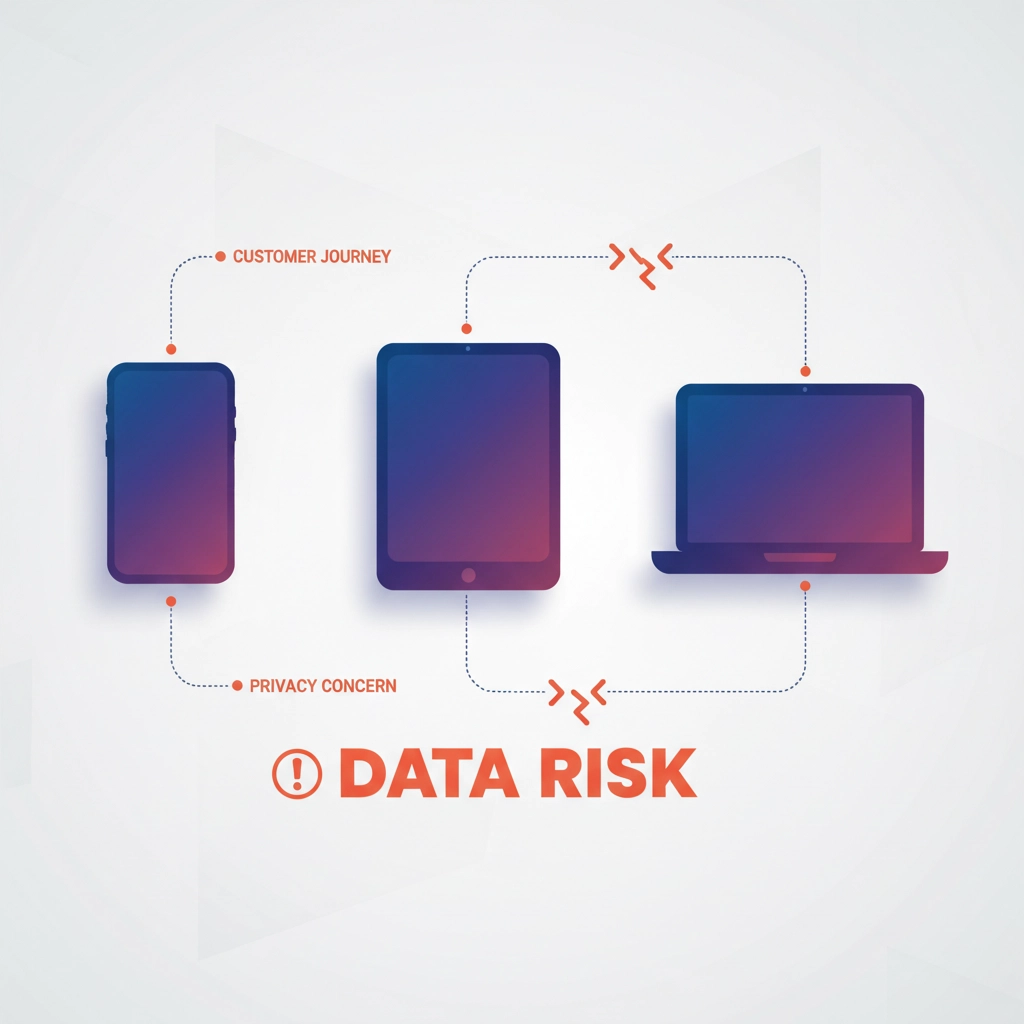
Ignoring Cross-Device Journeys: Customers frequently research on mobile and purchase on desktop, or vice versa. Single-device attribution misses these crucial interactions.
Static Attribution Models: Customer behavior evolves constantly. Attribution models should adapt to changing user journeys and channel performance.
Delayed Optimization: Waiting for weekly or monthly reports means missing immediate optimization opportunities that could save thousands in wasted spend.
Start with your current ecommerce analytics setup and gradually implement more sophisticated attribution:
For businesses serious about attribution accuracy, platforms like PayHelm provide comprehensive ecommerce reporting solutions that integrate multiple data sources into unified, real-time dashboards.
The cost of inaccurate attribution compounds daily. Every campaign decision based on flawed data pushes your business further from optimal performance.
Start by auditing your current attribution setup today. Compare your platform reports against actual sales data, identify discrepancies, and begin implementing real-time attribution solutions that provide the visibility needed for confident optimization decisions.
The investment in accurate ecommerce reporting pays dividends immediately through improved campaign performance and reduced budget waste( ensuring every dollar spent contributes to sustainable business growth.)
Connect these platforms with PayHelm to get unified analytics and insights
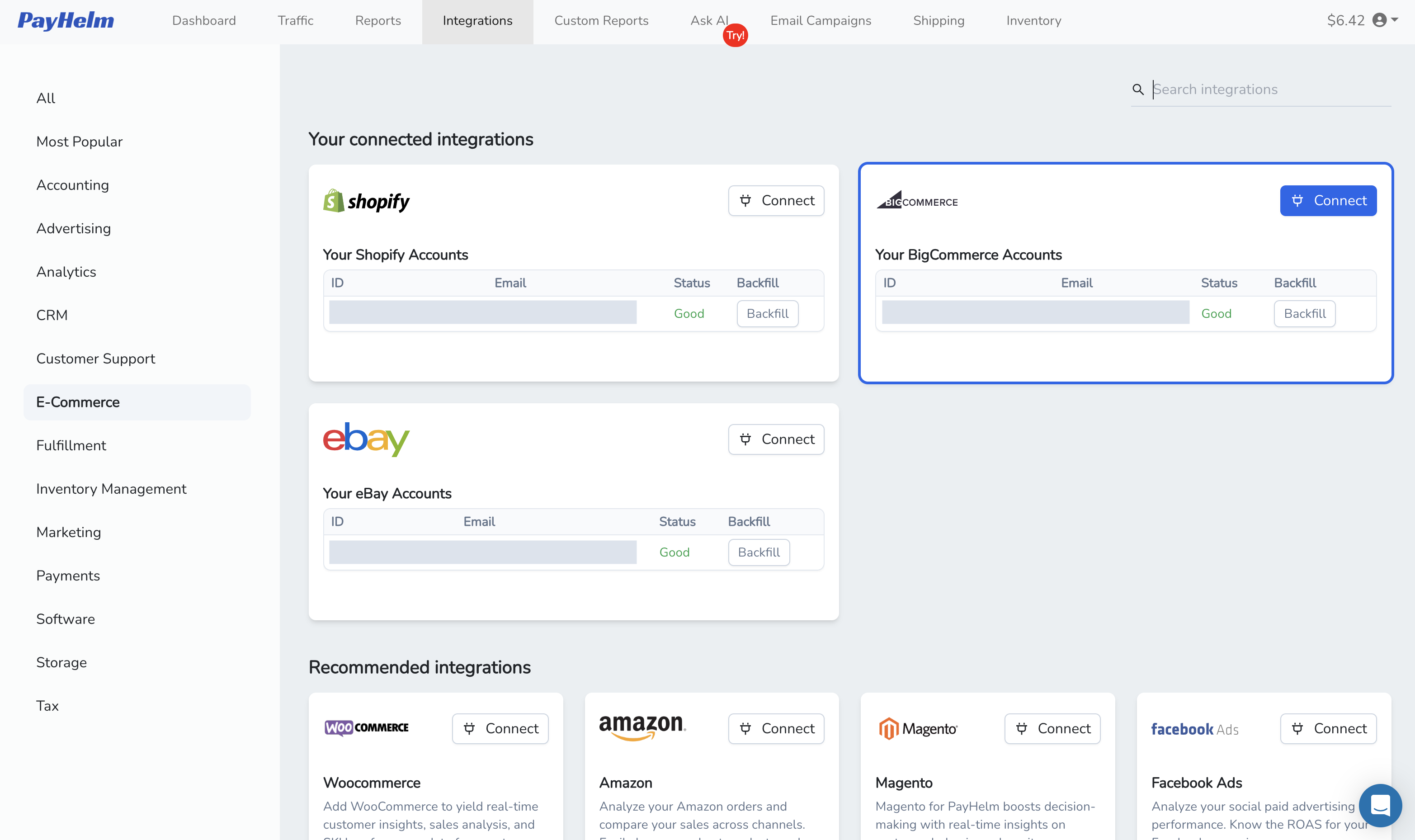
PayHelm for BigCommerce creates customer insights, sales analysis, and product performance data for informed decisions and improved ROI
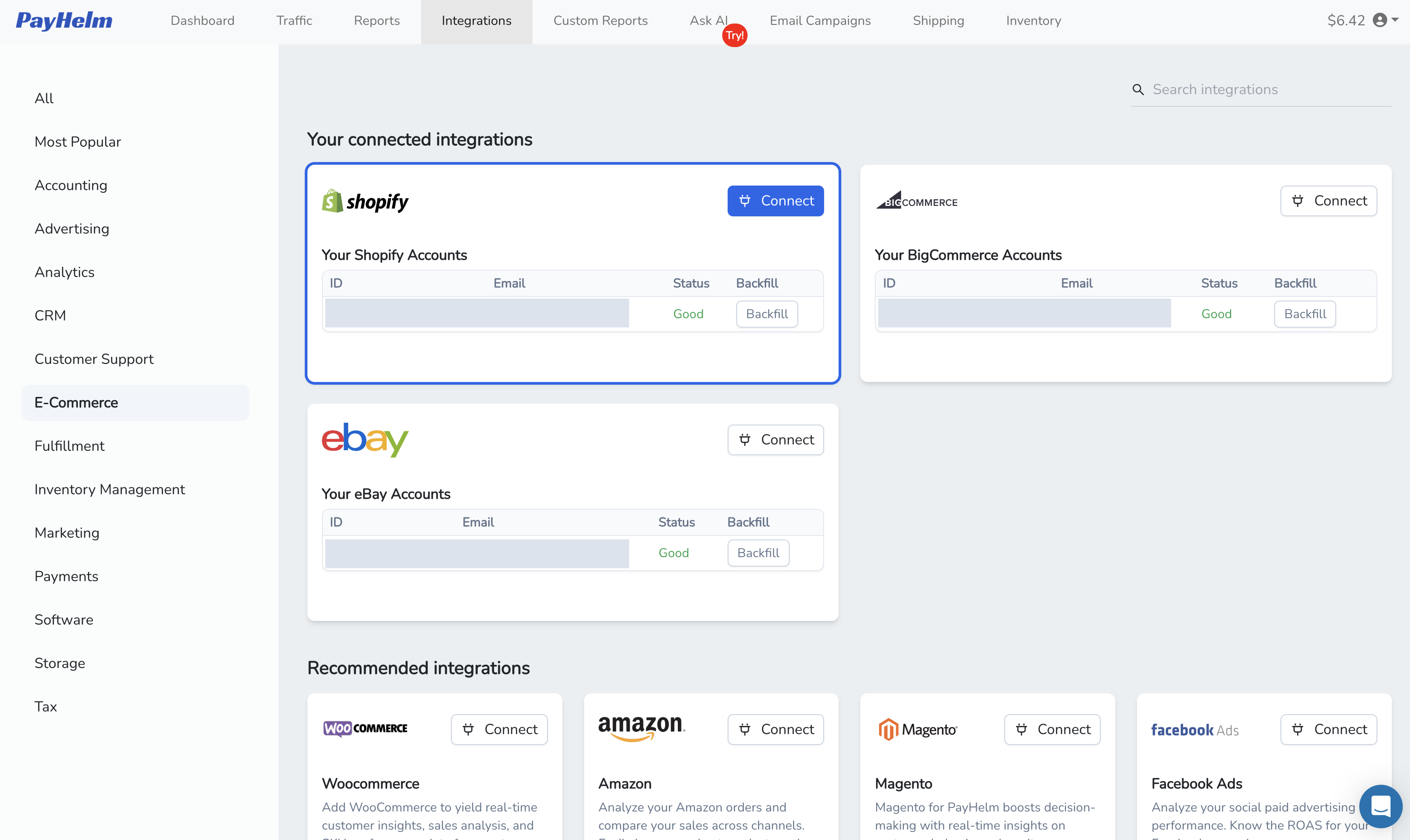
Integrate Shopify with PayHelm to deliver real-time customer insights, sales analysis, and store performance data for better business decisions and ROI
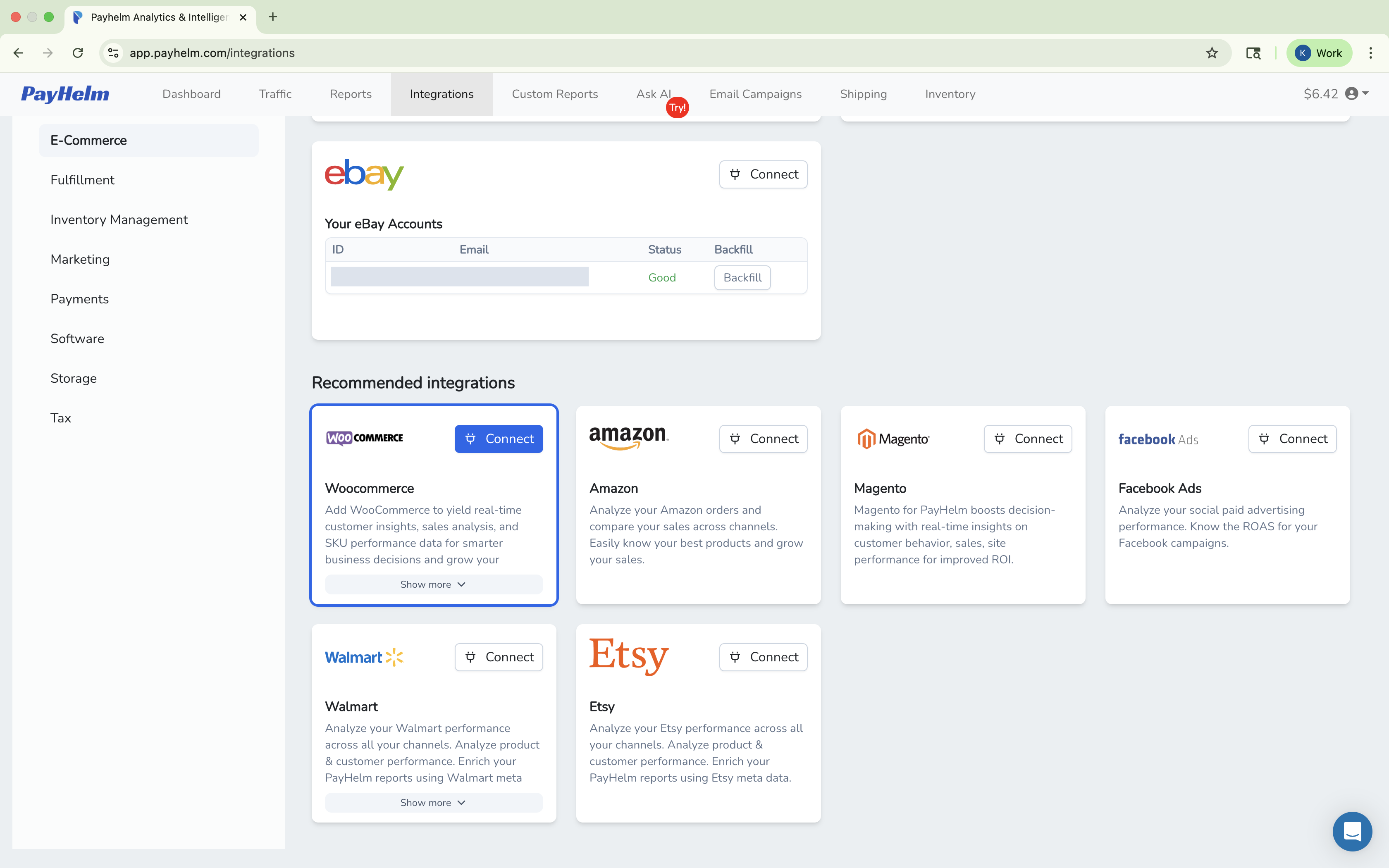
Add WooCommerce to yield real-time customer insights, sales analysis, and SKU performance data for smarter business decisions and grow your business
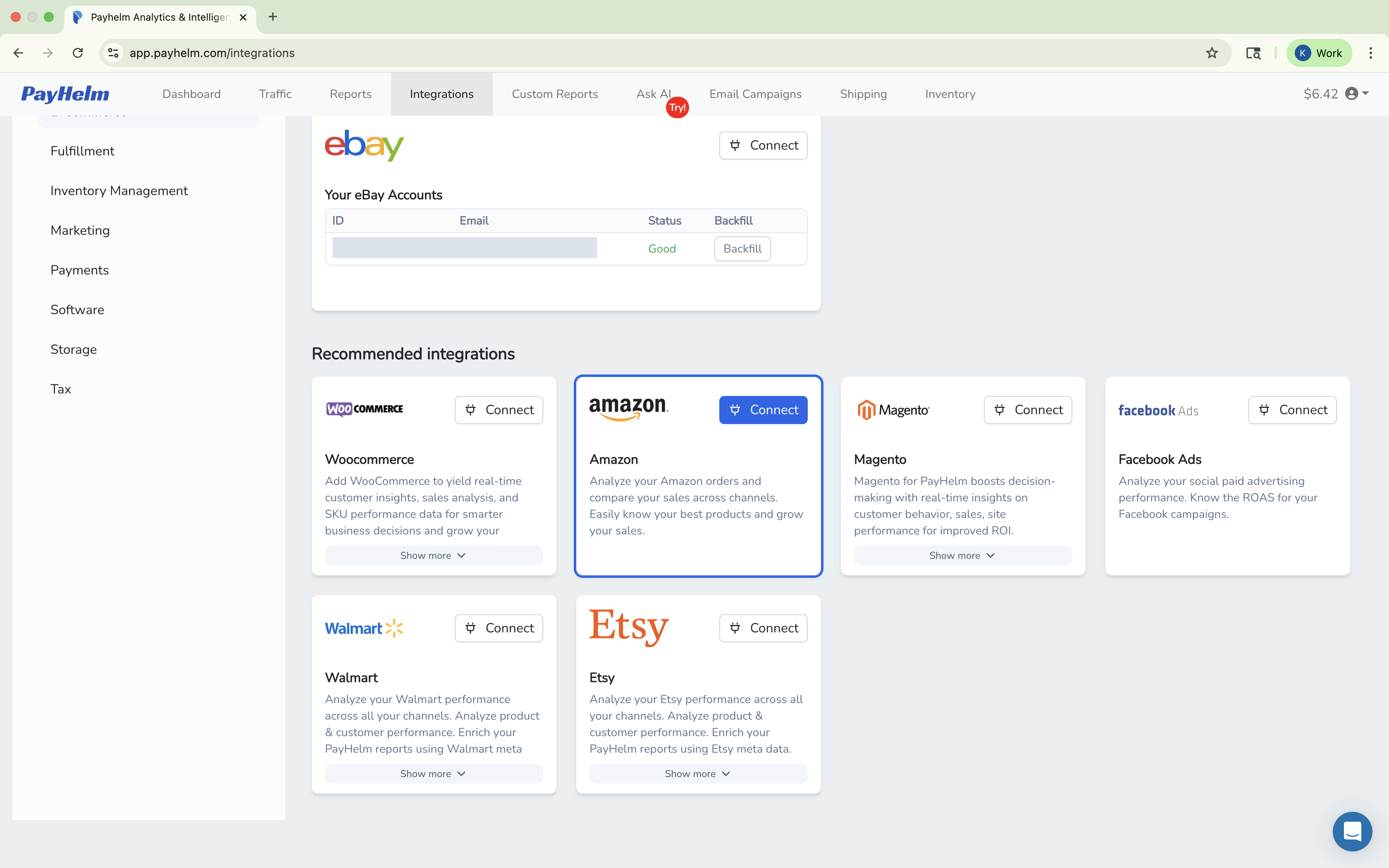
Analyze your Amazon orders and compare your sales across channels

Analyze your social paid advertising performance
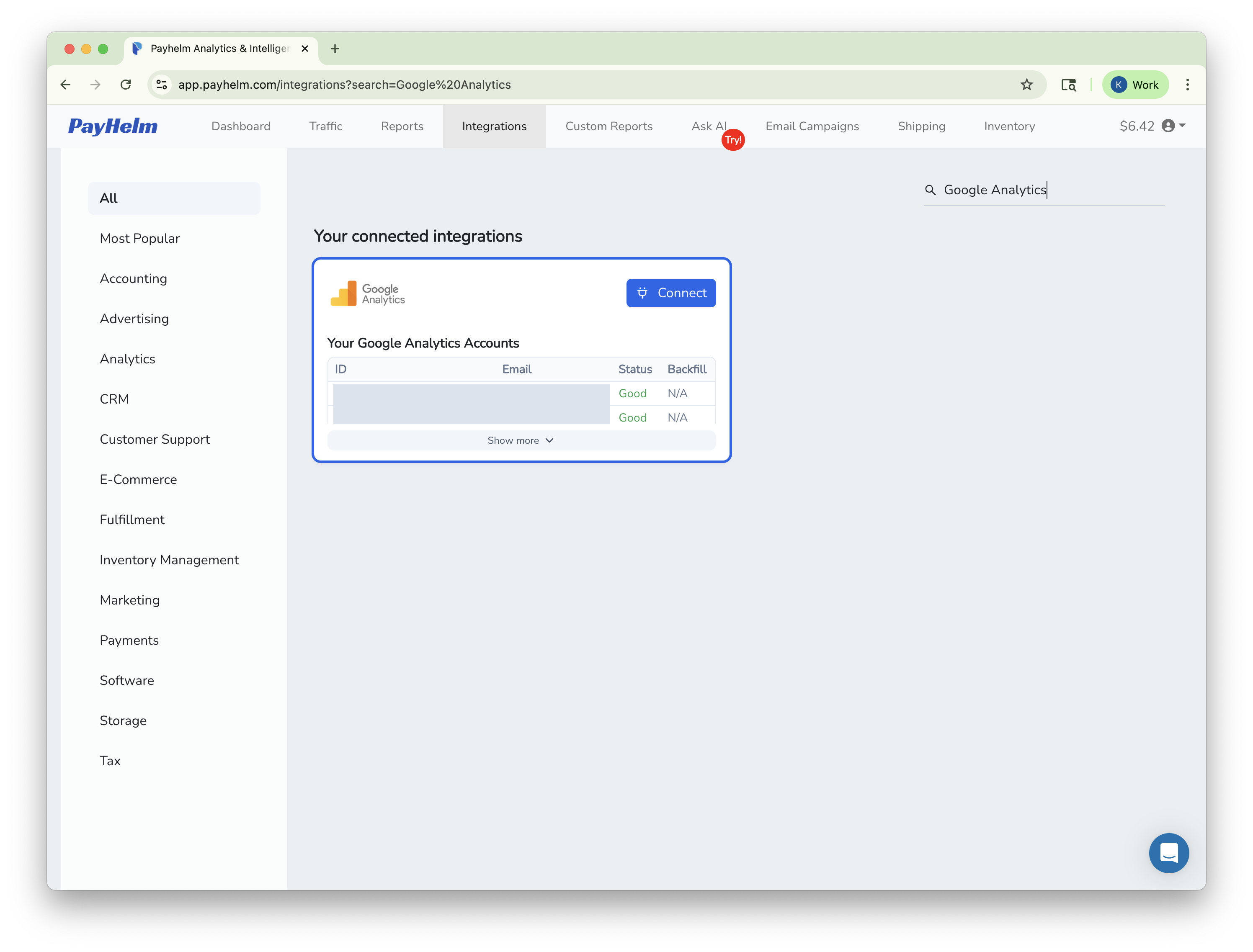
Integrate Google Analytics with PayHelm for comprehensive website and ecommerce performance insights
Let an AI agent handle these tasks for you — automatically, on a schedule.
Find the gaps between what your ad platforms claim and what your analytics actually shows.
Get found by more buyers on eBay with AI-optimized listing titles every week.
Identify the customers training themselves to only buy at a discount.