Integrations
Connect Any App to PayHelm: Send Data via Zapier Webhooks
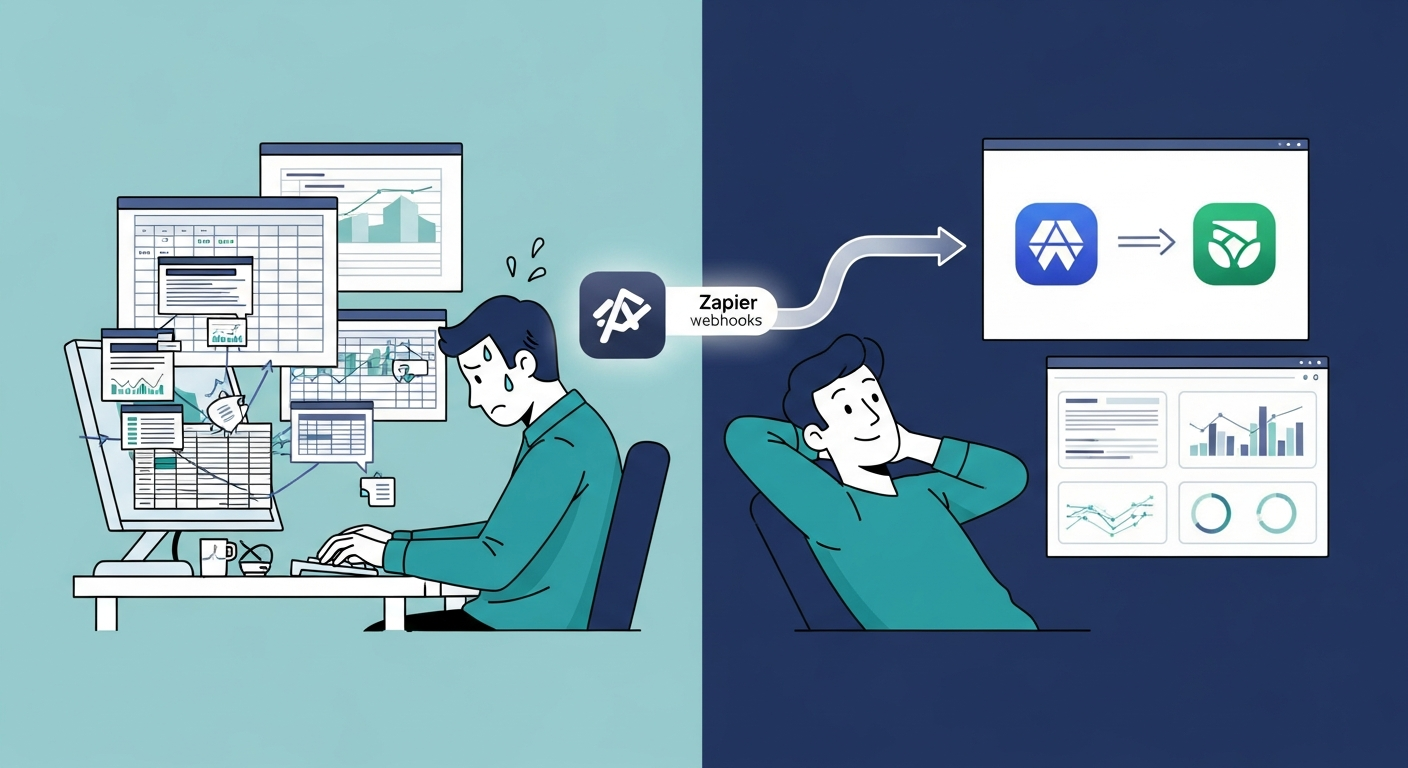
PayHelm now accepts data from over 7,000 apps through Zapier webhooks. No custom code, no dev sprint — just an API key and a webhook. Here's exactly how to set it up.
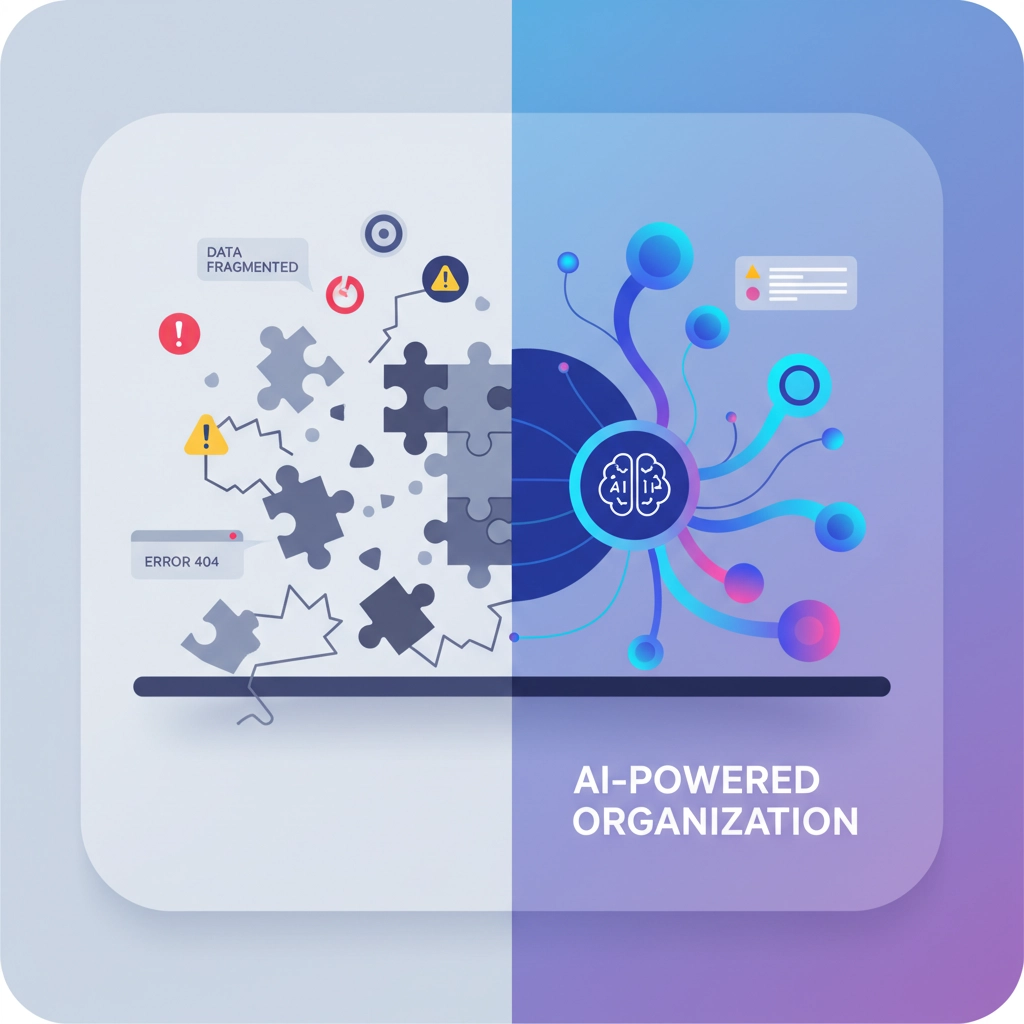
Ecommerce analytics should be your secret weapon for growth, but most businesses are making critical mistakes that turn valuable data into noise. Discover how AI-powered attribution automatically solves problems that used to require weeks of manual analysis.
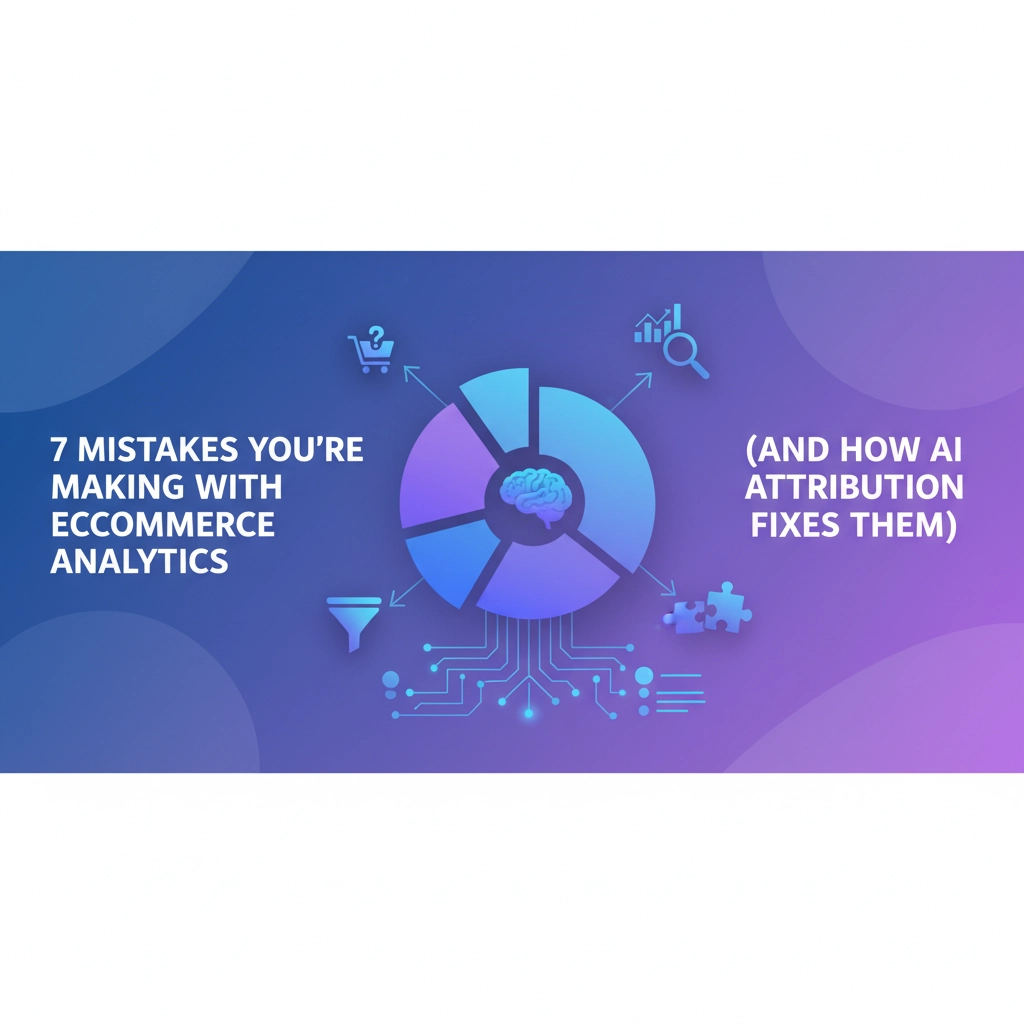
Ecommerce analytics should be your secret weapon for growth, but most businesses are making critical mistakes that turn valuable data into noise. These errors don't just waste time: they actively mislead decision-making and drain marketing budgets on ineffective tactics.
The good news? AI-powered attribution is revolutionizing how businesses approach these challenges, automatically solving problems that used to require weeks of manual analysis. Let's break down the seven biggest mistakes and discover how modern analytics intelligence transforms each one.
The Problem: Most ecommerce businesses fall into the "more data is better" trap. They monitor hundreds of metrics simultaneously, creating dashboards that look impressive but provide zero actionable insights. (Source: Google Analytics Help)
When you track everything, you track nothing effectively. Teams spend hours reviewing vanity metrics while missing the handful of KPIs that actually drive revenue growth.
How AI Attribution Fixes It: AI-powered analytics platforms automatically identify which metrics correlate with actual business outcomes. Instead of overwhelming you with data, they surface the 5-7 metrics that matter most for your current business stage and goals.
Modern AI attribution models analyze thousands of data points to determine which customer touchpoints genuinely influence conversions, eliminating guesswork around metric prioritization.
The Problem: Many businesses launch their stores without properly configuring analytics, then realize weeks later they're missing critical data or tracking incorrectly. Enhanced ecommerce tracking remains disabled, purchase events aren't firing, or traffic sources get misattributed. (Source: Shopify Help Center)
This configuration chaos means you're making million-dollar decisions based on fundamentally flawed data without realizing it.
How AI Attribution Fixes It: AI analytics platforms come pre-configured with proper ecommerce tracking for major platforms like Shopify, BigCommerce, and WooCommerce. They automatically verify data accuracy and alert you to tracking issues before they impact reporting.
Advanced AI attribution also retroactively corrects historical data gaps using machine learning models, recovering insights from periods when tracking was incomplete.
The Problem: Revenue increased after changing your homepage design, so the design drove growth, right? Wrong. This correlation-causation confusion leads businesses to invest in ineffective tactics while neglecting what actually works. (Source: Google Marketing Platform)
Traditional analytics shows what happened but rarely explains why it happened or whether your actions caused the results.
How AI Attribution Fixes It: AI attribution models use advanced statistical techniques to identify genuine causal relationships. They control for seasonal trends, external factors, and random variation to isolate the true impact of your marketing actions.
Machine learning algorithms continuously test thousands of attribution hypotheses simultaneously, providing confidence scores for causal claims rather than leaving you to guess.
The Problem: Enhanced ecommerce tracking relies on well-structured dataLayer pushes, but most marketing teams aren't aligned with developers on implementation details. Product IDs, names, prices, and currency specifications get formatted inconsistently, creating gaps in reporting. (Source: Google Tag Manager Help)
Without proper coordination, you'll face incomplete ecommerce reports where the same product appears differently across funnel stages.
How AI Attribution Fixes It: Modern AI analytics platforms integrate directly with ecommerce platforms through native APIs, bypassing the need for manual dataLayer implementation entirely. They automatically standardize product data formatting and ensure consistency across all tracking touchpoints.
AI systems also detect and correct data formatting inconsistencies in real-time, preventing attribution gaps before they impact reporting accuracy.
The Problem: Many ecommerce tracking setups fail because teams copy code snippets from tutorials without adapting them to their specific site architecture. Generic "Add to Cart" tracking code gets pasted onto sites with different trigger mechanisms, creating duplicate or missing data. (Source: WooCommerce Documentation)
This approach leads to faulty attribution where the same customer action gets counted multiple times or not at all.
How AI Attribution Fixes It: AI-powered analytics eliminate the need for custom code implementation through automated integration systems. These platforms learn your site's unique user journey patterns and automatically configure tracking to match your specific funnel flow.
Instead of wrestling with code, you get plug-and-play attribution that adapts to your business model automatically.
The Problem: Checkout funnel configuration frequently includes irrelevant steps like product views or category browsing, which distorts drop-off analysis and funnel visualization. The checkout funnel should only track post-cart steps: billing information, shipping options, and purchase completion. (Source: BigCommerce Help Center)
Incorrect funnel configuration makes it impossible to identify genuine checkout optimization opportunities.
How AI Attribution Fixes It: AI attribution automatically identifies your true checkout funnel based on customer behavior patterns rather than manual configuration. It distinguishes between browsing actions and genuine purchase intent steps, creating accurate funnel analysis.
Machine learning models continuously optimize funnel definitions as your checkout process evolves, ensuring attribution remains accurate without manual updates.
The Problem: Businesses either ignore cross-device customer journeys entirely or attempt to track every possible touchpoint without clear purpose. Missing cross-device attribution means you're blind to how customers interact across smartphones, tablets, and desktop computers. Conversely, excessive tracking creates noise rather than insights. (Source: Amazon Attribution)
Finding the right balance requires expertise most teams don't possess internally.
How AI Attribution Fixes It: AI attribution platforms automatically determine the optimal level of cross-device tracking for your specific customer base. They identify which cross-device patterns actually influence conversions and filter out irrelevant touchpoints.
Advanced AI models create unified customer profiles across devices without overwhelming you with unnecessary data points, focusing on touchpoints that drive genuine business value.

Traditional ecommerce analytics requires constant manual optimization, technical expertise, and guesswork around data interpretation. AI-powered attribution transforms analytics from a reactive reporting tool into a proactive business intelligence system.
Modern AI attribution platforms learn your unique business patterns, automatically optimize tracking configurations, and surface actionable insights without requiring analytics expertise. They eliminate the seven mistakes above by design rather than through manual correction.
Ready to move beyond traditional analytics limitations? AI-powered attribution platforms like PayHelm automatically solve these common mistakes while providing deeper insights into customer behavior and marketing effectiveness.
Discover how AI analytics revolution is transforming ecommerce reporting for businesses scaling beyond manual analytics approaches. Stop making these costly mistakes and start leveraging attribution intelligence that grows with your business.
Book a demo to see how AI attribution eliminates analytics guesswork and accelerates data-driven growth for your ecommerce business.
Connect these platforms with PayHelm to get unified analytics and insights
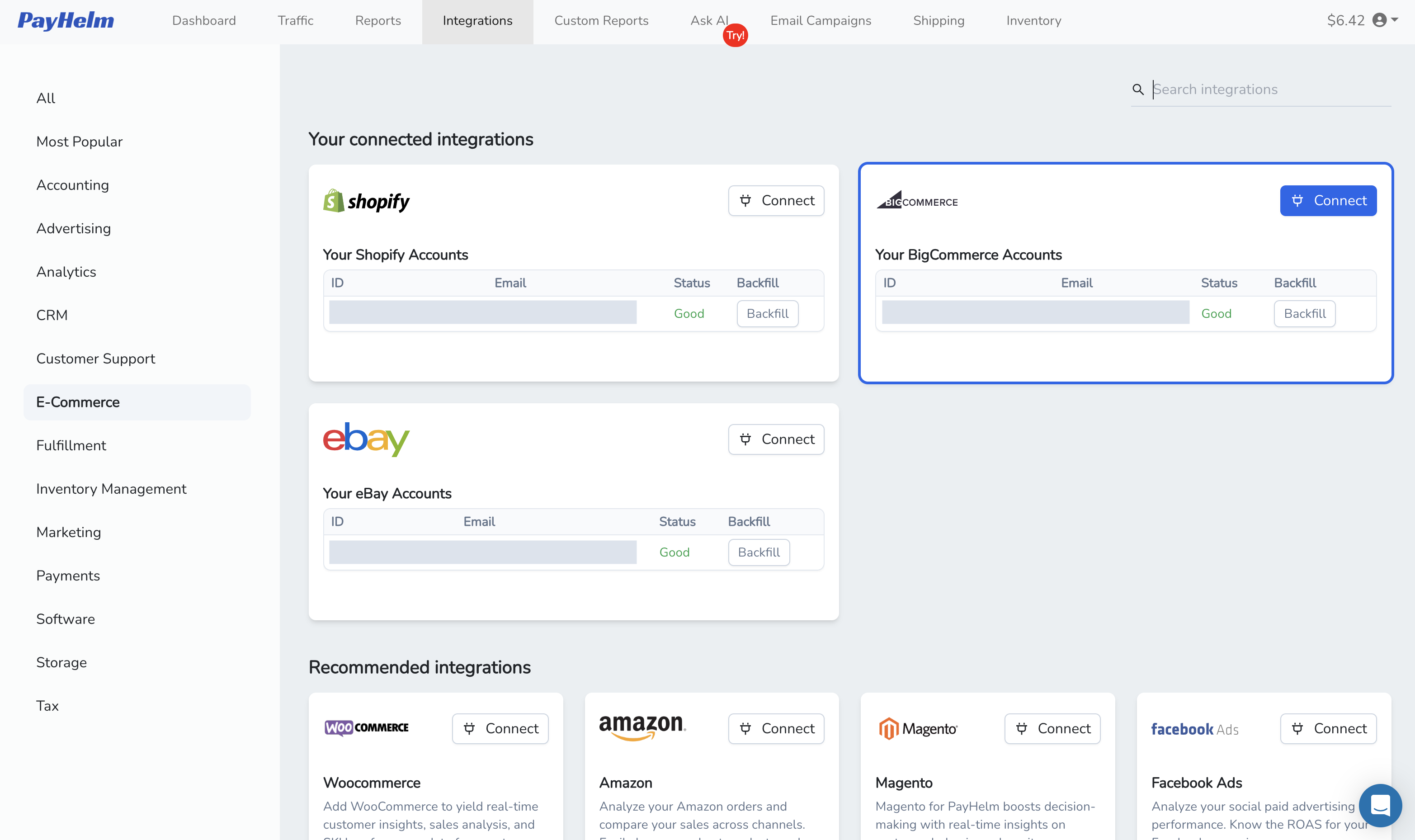
PayHelm for BigCommerce creates customer insights, sales analysis, and product performance data for informed decisions and improved ROI
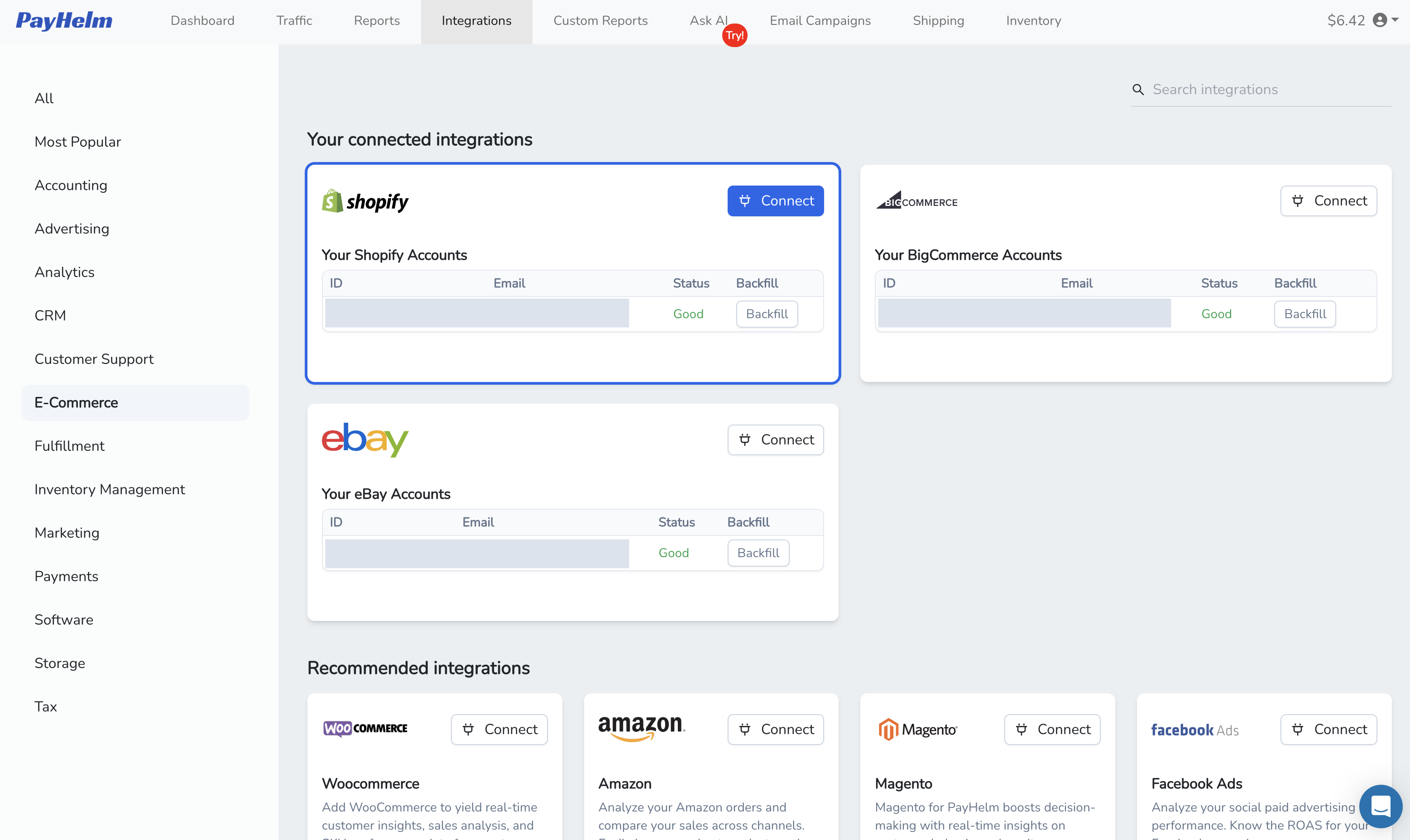
Integrate Shopify with PayHelm to deliver real-time customer insights, sales analysis, and store performance data for better business decisions and ROI
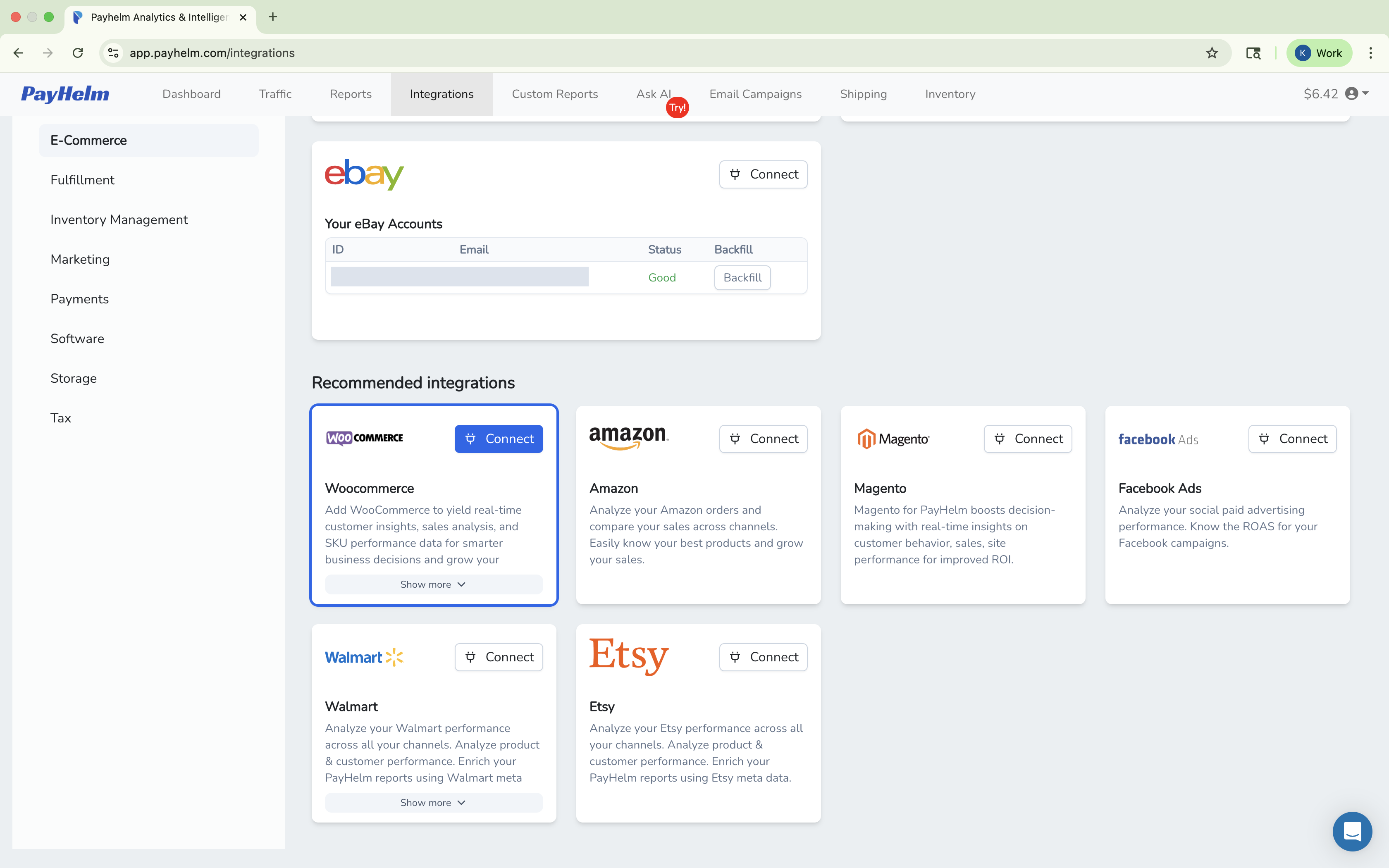
Add WooCommerce to yield real-time customer insights, sales analysis, and SKU performance data for smarter business decisions and grow your business
Analyze your Amazon orders and compare your sales across channels
Integrate Google Analytics with PayHelm for comprehensive website and ecommerce performance insights
Analyze UPS shipping performance, costs, and delivery metrics for logistics optimization
Let an AI agent handle these tasks for you — automatically, on a schedule.
Know which channels are actually profitable — net of all costs — at the end of every month.
Know when a competitor undercuts you — before you start losing the Buy Box.
Understand why subscribers cancel and take action before it becomes a trend.