Integrations
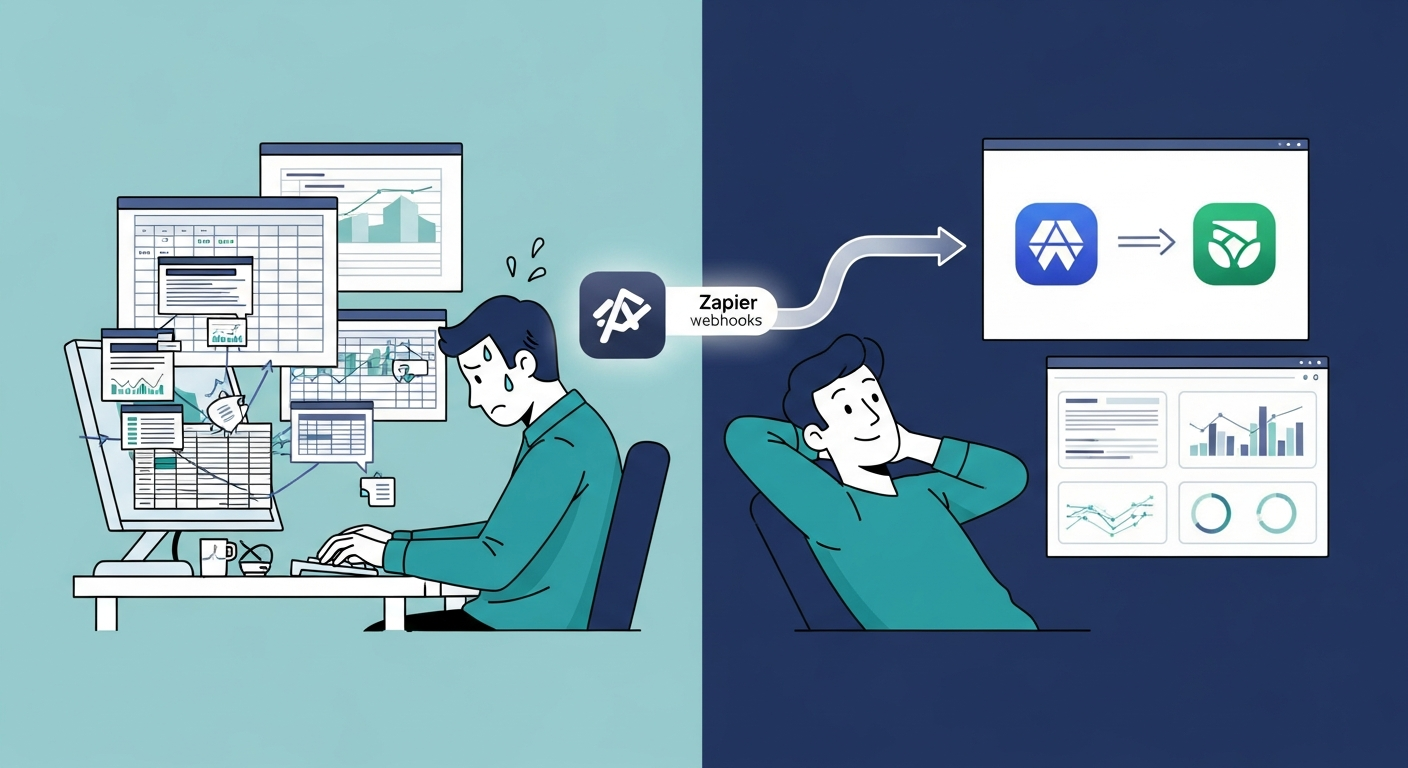
Connect Any App to PayHelm: Send Data via Zapier Webhooks
PayHelm now accepts data from over 7,000 apps through Zapier webhooks. No custom code, no dev sprint — just an API key and a webhook. Here's exactly how to set it up.
Choosing the right ecommerce platform isn't just about design flexibility or payment processing—it's about getting the analytics that actually help you grow your business. Compare Shopify, BigCommerce, and WooCommerce analytics capabilities.
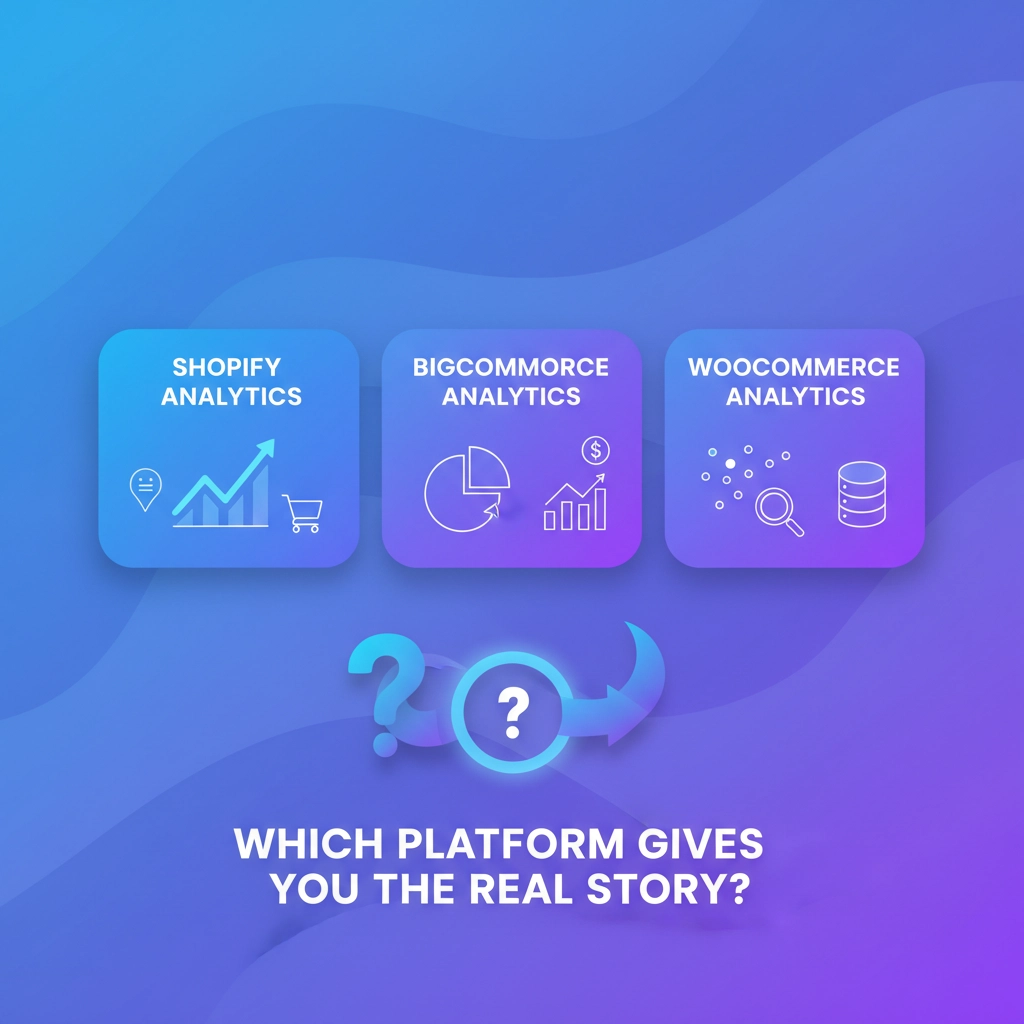
Choosing the right ecommerce platform isn't just about design flexibility or payment processing, it's about getting the analytics that actually help you grow your business. When you're comparing Shopify, BigCommerce, and WooCommerce, the analytics capabilities can make or break your ability to understand customer behavior, optimize conversions, and scale effectively.
Let's dive deep into what each platform really offers for ecommerce analytics and reporting, so you can make an informed decision about which gives you the complete picture of your business performance.
WooCommerce Analytics delivers comprehensive reporting capabilities that integrate seamlessly with your WordPress environment. The platform provides detailed insights into average order value (AOV), top-selling products, gross revenue, return volumes, coupon usage, shipping charges, and tax data (Source: WooCommerce).
What sets WooCommerce analytics apart is its real-time data processing and extensive filtering options. The platform allows you to segment customer data, track performance trends, and export detailed reports via CSV for advanced analysis. The customizable dashboard adapts to your specific reporting needs, giving you control over which metrics matter most for your business.
The analytics suite provides comprehensive order tracking, customer lifetime value calculations, and detailed product performance metrics. Since WooCommerce powers approximately 28% of all online stores globally, its analytics tools are continuously refined based on real-world usage patterns (Source: BuiltWith).
WooCommerce's analytics depth comes with technical considerations. The platform requires proper hosting infrastructure and occasional technical maintenance to maintain optimal performance. However, this technical investment pays off with granular control over data collection, custom reporting capabilities, and the ability to integrate with virtually any third-party analytics tool.
Shopify analytics excels at providing immediate, actionable insights without complex setup requirements. The platform offers seamless built-in analytics that eliminate technical barriers while delivering comprehensive ecommerce reporting directly within your admin dashboard.
Shopify's analytics suite focuses specifically on ecommerce metrics that drive business decisions. The platform provides clear visibility into total sales, average order value, and conversion rates over customizable time periods. The "Sales by traffic source" reporting feature connects marketing efforts directly to revenue, making attribution analysis straightforward (Source: Shopify).
The platform tracks best-selling products, analyzes marketing channel performance, and monitors customer behavior patterns including returning customer rates. Shopify's strength lies in its ability to provide top-level insights that most merchants need without requiring advanced technical knowledge.
Shopify analytics integrates natively with the platform's marketing tools, inventory management, and customer relationship features. This integration enables automatic tracking of promotional campaigns, inventory performance, and customer segmentation without additional setup. The user-friendly interface makes it simple to generate reports, identify trends, and share insights across your team.
However, Shopify's analytics focus on simplicity over depth. While the platform provides powerful top-level insights, it lacks the granular event-based tracking needed for complex user journey analysis or advanced attribution modeling.
BigCommerce provides robust analytics and reporting capabilities designed to scale with growing businesses. The platform includes comprehensive store management features encompassing inventory tracking, order processing, customer analytics, and performance reporting (Source: BigCommerce).
BigCommerce's analytics infrastructure accommodates high-volume operations and provides different reporting capabilities across pricing tiers. The platform offers real-time reporting, advanced segmentation, and comprehensive dashboard customization options that adapt to business growth.
The platform integrates with major analytics tools including Google Analytics 4, Facebook Pixel, and various email marketing platforms for comprehensive cross-channel attribution. BigCommerce's API-first approach enables custom analytics implementations and third-party integrations for businesses requiring specialized reporting.
BigCommerce analytics provide detailed customer journey mapping, advanced cohort analysis, and comprehensive marketing attribution across multiple touchpoints. The platform supports complex reporting scenarios including B2B analytics, multi-storefront tracking, and advanced inventory analytics.
| Feature | WooCommerce Analytics | Shopify Analytics | BigCommerce Analytics |
|---|---|---|---|
| Setup Complexity | Requires technical knowledge | Plug-and-play integration | User-friendly setup |
| Customization Depth | Highly customizable dashboard | Limited customization options | Plan-dependent features |
| Real-Time Reporting | Yes, with advanced filtering | Yes, within admin dashboard | Yes, with enterprise tools |
| Data Export Options | Comprehensive CSV downloads | Limited export functionality | Standard reporting exports |
| Marketing Attribution | Requires additional configuration | Built-in traffic source tracking | Multi-channel attribution |
| Third-Party Integrations | Unlimited plugin ecosystem | App store integrations | API-first approach |
| Technical Maintenance | Ongoing technical requirements | Fully managed platform | Managed infrastructure |
| Cost Considerations | Hosting and plugin costs | Monthly subscription fees | Tier-based pricing |
Choose WooCommerce Analytics If:
Choose Shopify Analytics If:
Choose BigCommerce Analytics If:

While each platform provides valuable analytics capabilities, many growing businesses discover that native platform analytics alone don't provide complete visibility into their ecommerce performance. Cross-platform customer journeys, multi-channel attribution, and comprehensive financial reporting often require additional analytics tools.
Modern ecommerce businesses benefit from unified analytics platforms that consolidate data from multiple sources, providing comprehensive insights that extend beyond individual platform limitations. This approach enables advanced customer lifetime value analysis, cross-channel marketing attribution, and detailed financial performance tracking.
Each platform offers distinct advantages for ecommerce analytics and reporting. WooCommerce provides maximum depth and customization for technically-oriented businesses. Shopify delivers user-friendly, immediately actionable insights perfect for most merchants. BigCommerce offers enterprise-scale reporting that grows with ambitious businesses.
However, the "real story" often emerges when you combine platform-native analytics with specialized ecommerce analytics tools designed to provide comprehensive, cross-channel insights that drive strategic business decisions.
Discover how PayHelm's unified ecommerce analytics platform consolidates data from Shopify, WooCommerce, BigCommerce, and other sources to provide the complete picture of your business performance. Book a demo to see how comprehensive analytics can transform your ecommerce decision-making.
This powerful feature expands your analytical capabilities, allowing you to create custom metrics that align perfectly with your business objectives.
Access this feature through the Analytics section of your PayHelm dashboard. Our intuitive interface makes it easy to create and deploy custom calculations.
Connect these platforms with PayHelm to get unified analytics and insights
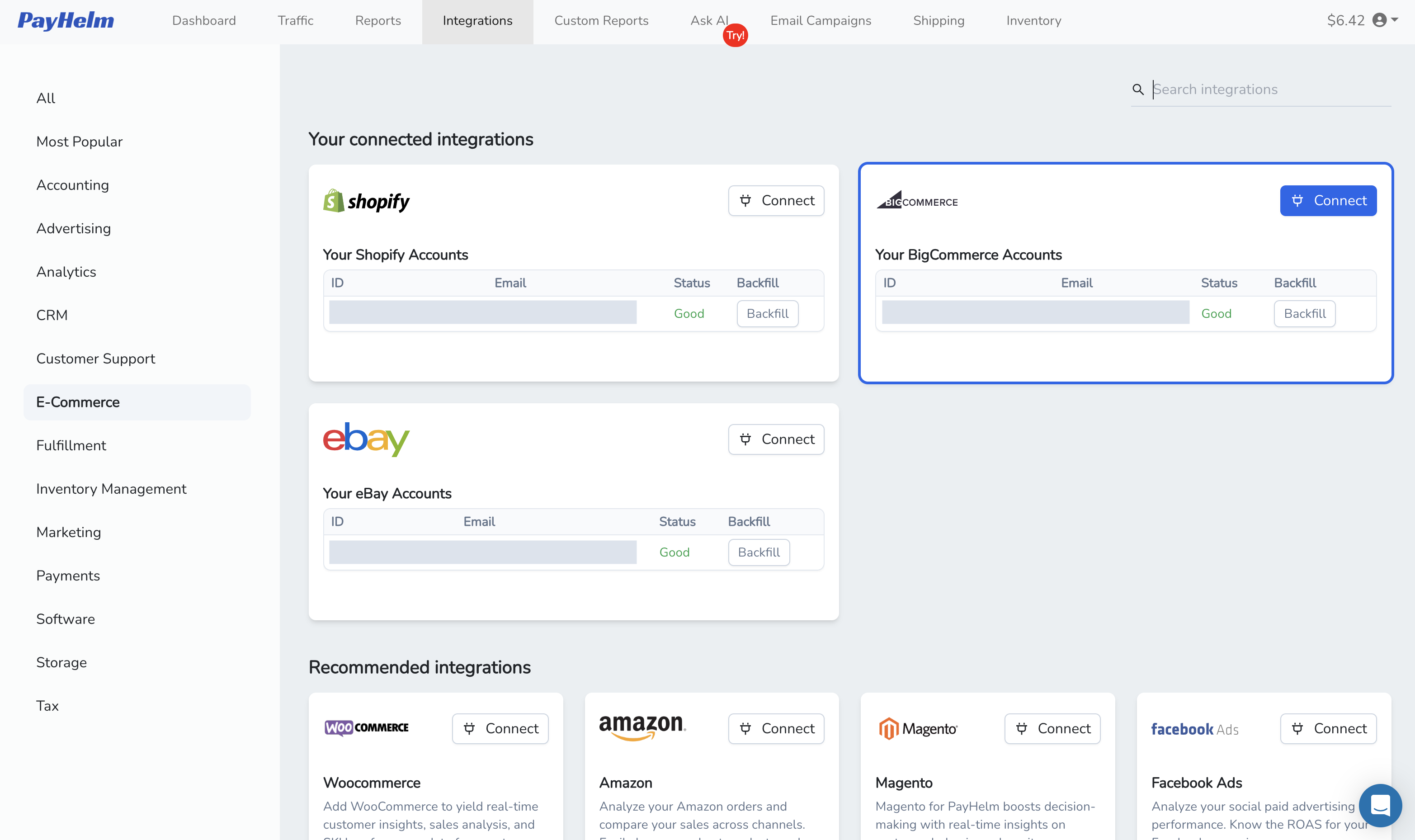
PayHelm for BigCommerce creates customer insights, sales analysis, and product performance data for informed decisions and improved ROI
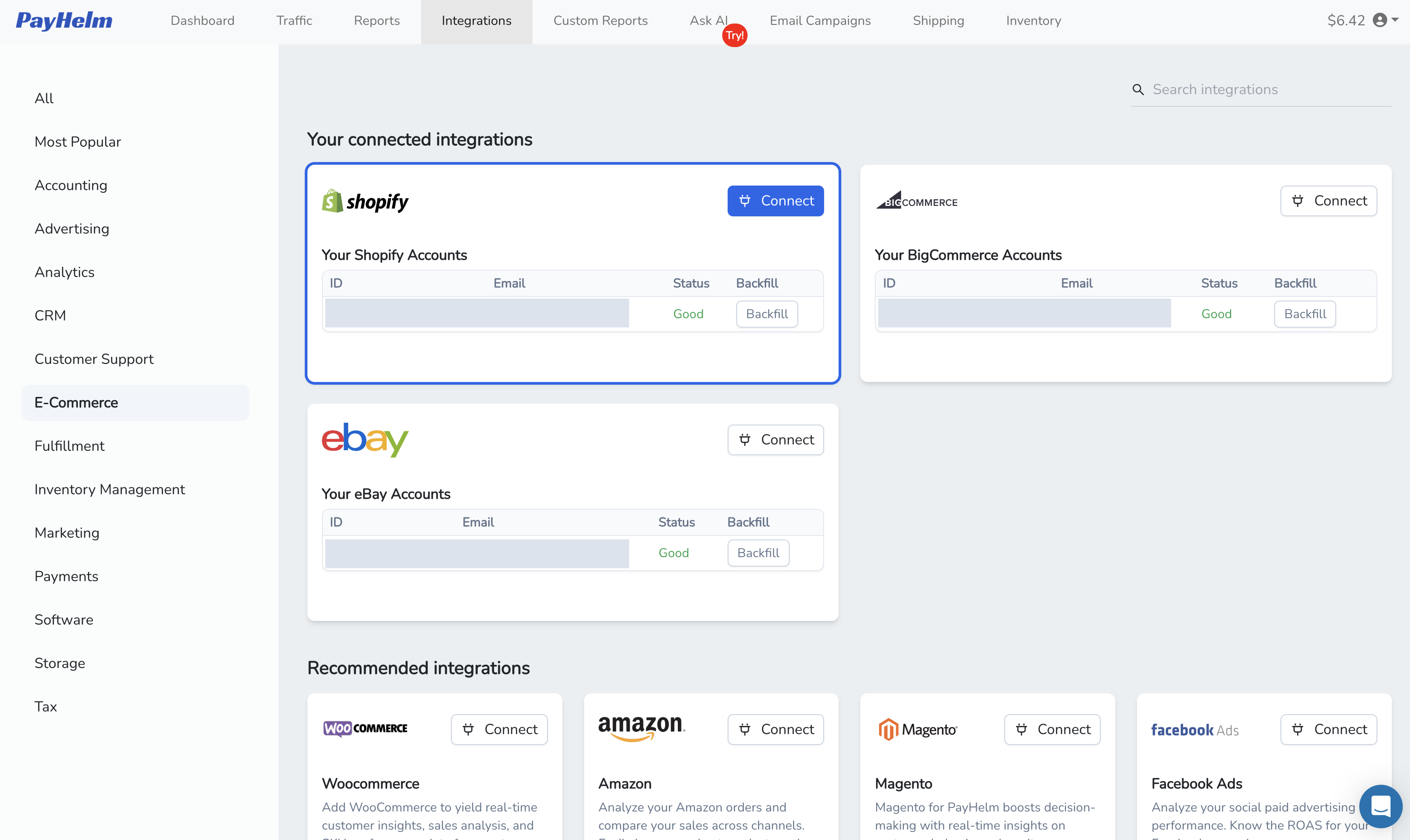
Integrate Shopify with PayHelm to deliver real-time customer insights, sales analysis, and store performance data for better business decisions and ROI
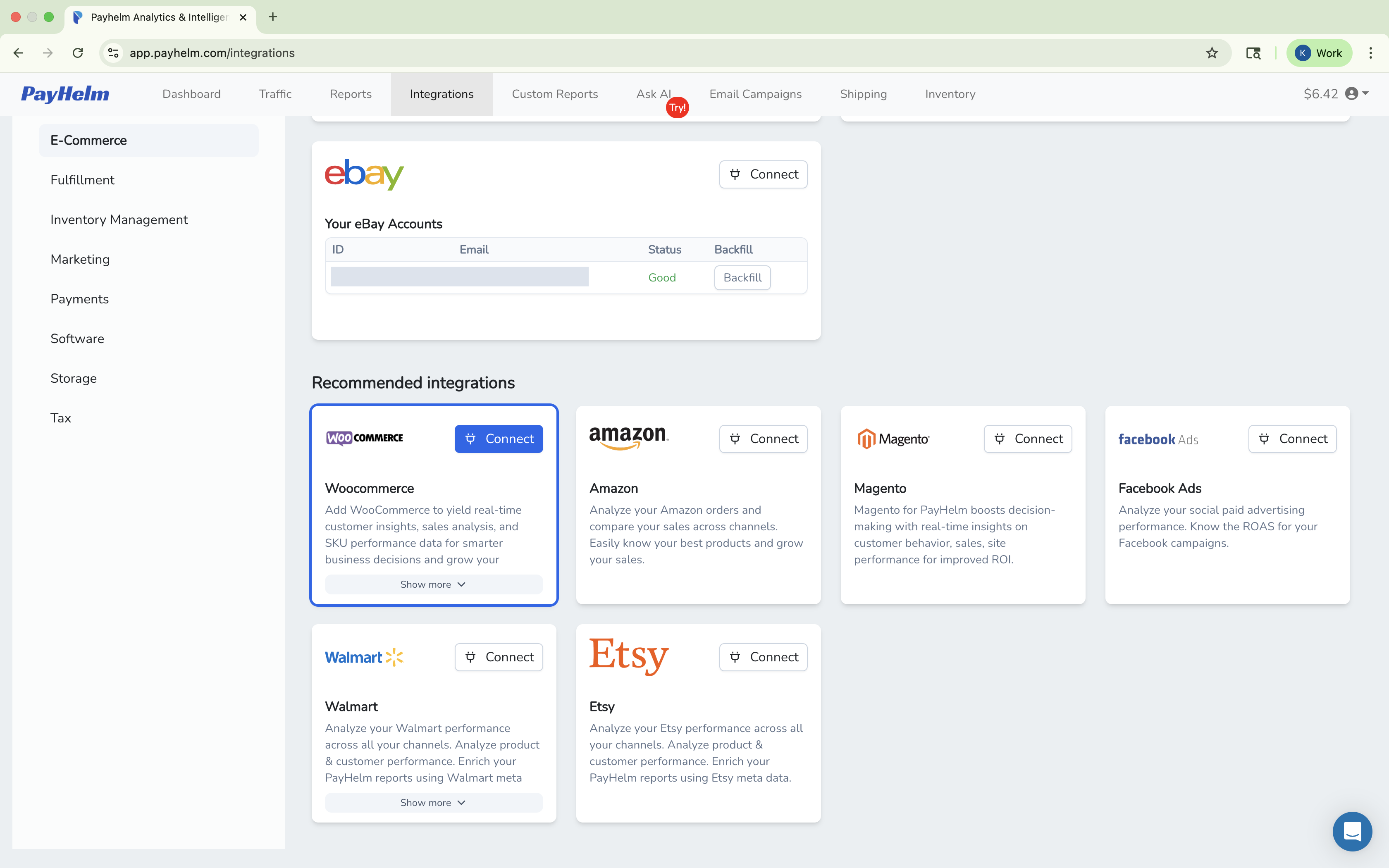
Add WooCommerce to yield real-time customer insights, sales analysis, and SKU performance data for smarter business decisions and grow your business
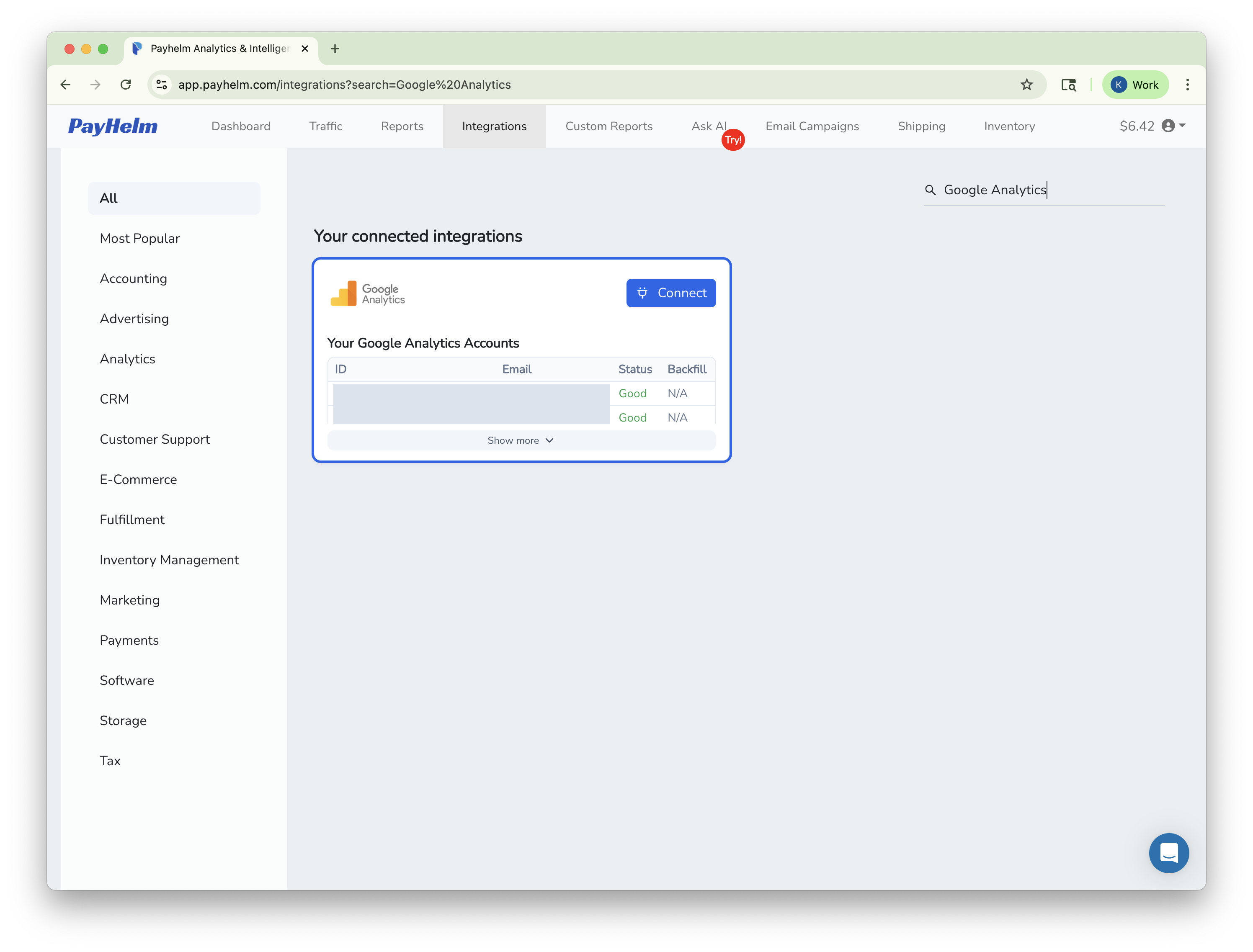
Integrate Google Analytics with PayHelm for comprehensive website and ecommerce performance insights
Let an AI agent handle these tasks for you — automatically, on a schedule.
Catch quality problems and fraud patterns before they become expensive trends.
Identify inventory sitting on your shelves before carrying costs eat your margins.
Incomplete listings cost you traffic and buyer trust — find them every week.