Integrations
Connect Any App to PayHelm: Send Data via Zapier Webhooks
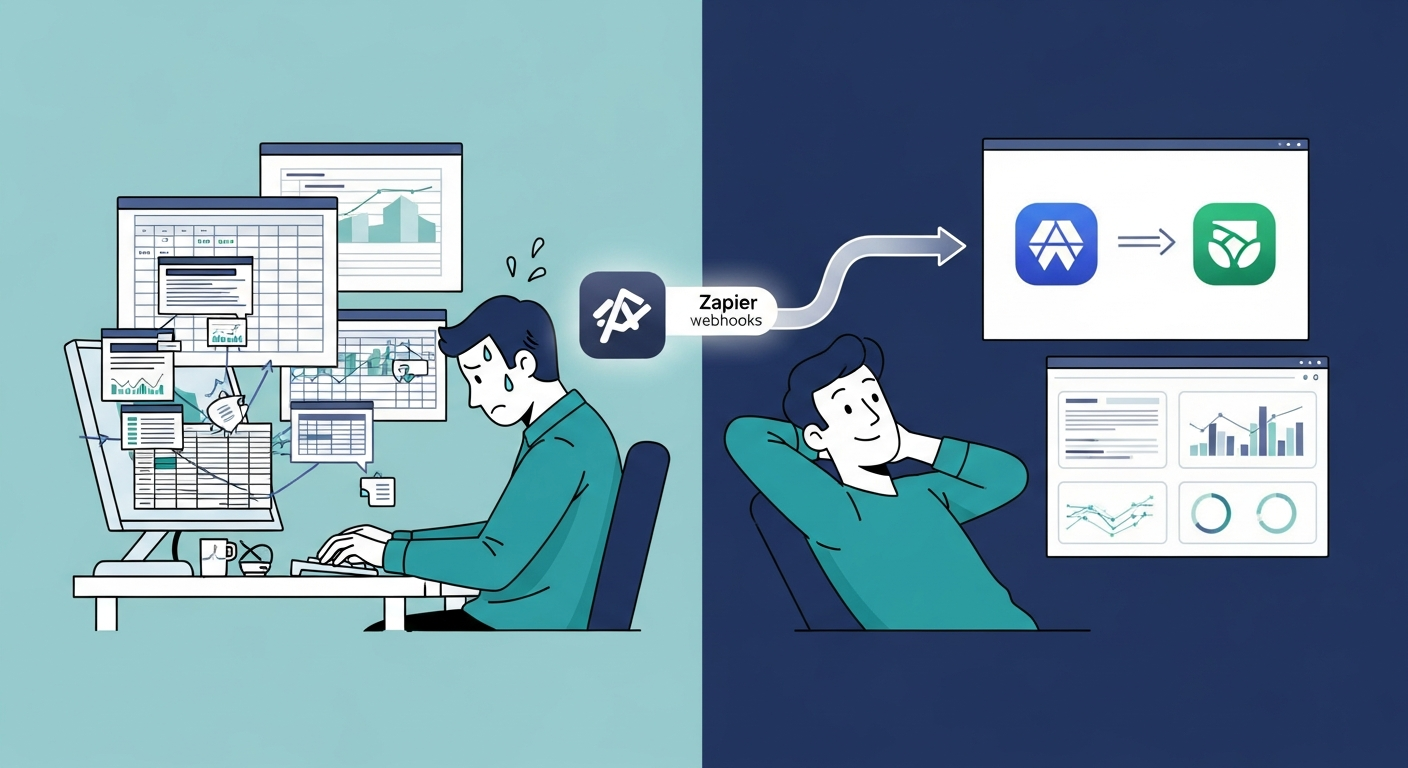
PayHelm now accepts data from over 7,000 apps through Zapier webhooks. No custom code, no dev sprint — just an API key and a webhook. Here's exactly how to set it up.
The headline statistic circulating in marketing circles contains a critical misinterpretation. Consumer research reveals the opposite reality: shoppers maintain significantly higher trust levels for human influencers compared to AI-powered alternatives.
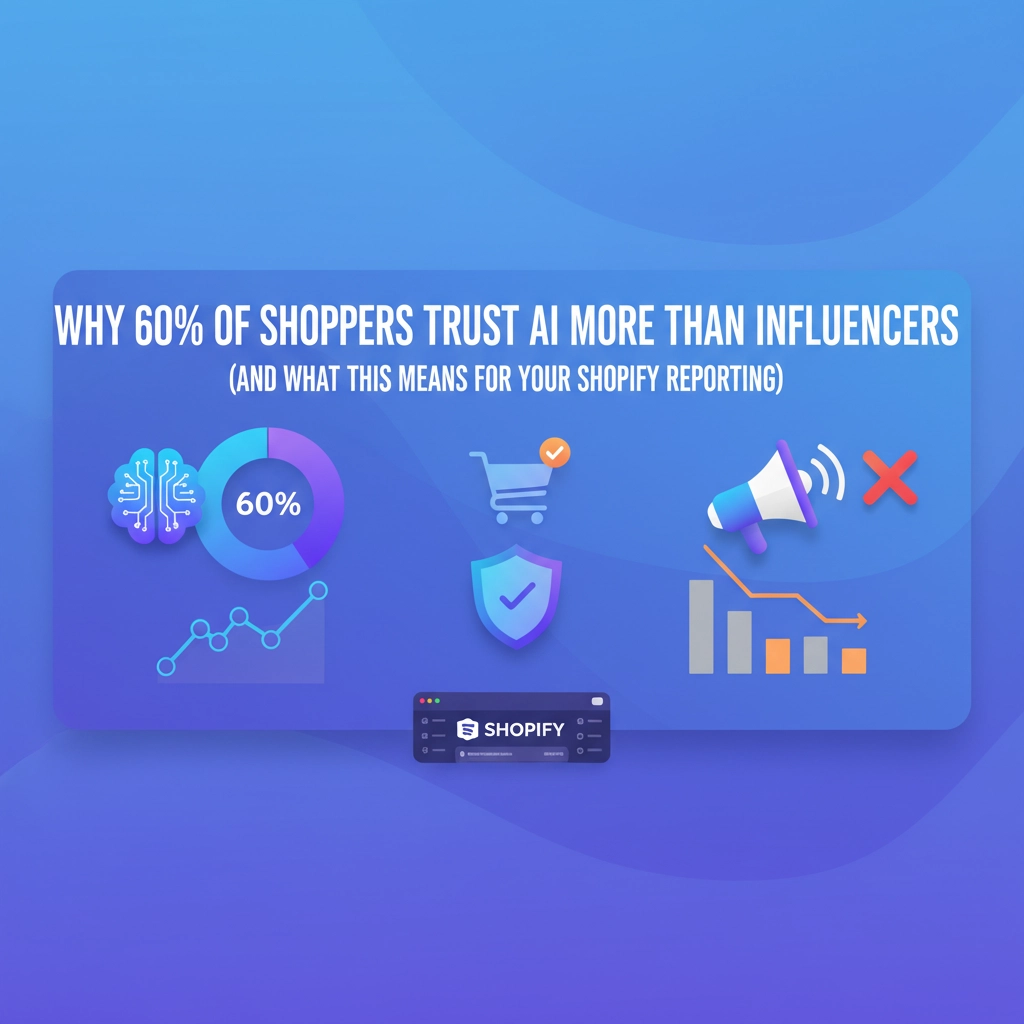
The headline statistic circulating in marketing circles contains a critical misinterpretation. Consumer research reveals the opposite reality: shoppers maintain significantly higher trust levels for human influencers compared to AI-powered alternatives. This misconception impacts how ecommerce businesses approach their marketing analytics and reporting strategies. PayHelm unifies Shopify, Amazon, and ad channel data into one dashboard with smart attribution, enabling teams to quantify trust-driven performance and reallocate budgets in real time.
Recent consumer sentiment analysis demonstrates that only 28% of consumers express confidence in AI influencer authenticity (Source: WebProNews). Meanwhile, a mere 15% of shoppers report high trust levels for AI endorsements and recommendations from artificial personas (Source: The Influencer Marketing Factory). Use PayHelm's drag‑and‑drop custom metrics to track disclosure flags, creator types (AI vs. human), and trust KPIs at campaign and SKU levels across channels.
The trust gap widens when examining purchase intent. Research indicates that just 27% of consumers would consider purchasing products (Source: The Influencer Marketing Factory) promoted by AI influencers, highlighting the substantial barrier between engagement metrics and actual conversion rates. With PayHelm's revenue-connected attribution, marketers map engagement to incremental ROAS and identify when AI-led campaigns inflate vanity metrics without driving contribution margin.

Consumer transparency expectations compound this challenge. 45% of respondents indicate they would boycott brands (Source: NetInfluencer) that use undisclosed AI influencers in their marketing campaigns. This consumer sentiment creates immediate reporting requirements for ecommerce platforms tracking disclosure compliance and authenticity metrics. PayHelm provides real-time disclosure compliance monitoring, audit logs, and sentiment tracking, with SOC 2 Secure controls to operationalize governance across teams.
Despite low consumer trust scores, 62% of brands actively test AI influencers in their 2025 marketing strategies (Source: Influencer Marketing Hub). This disconnect between brand experimentation and consumer acceptance generates complex reporting challenges for Shopify merchants tracking campaign performance. PayHelm's hybrid attribution and predictive AI insights compare AI and human creative impact side-by-side, down to ad set and product.
Major multinational corporations recognize this trust deficit. Only 15% commit fully to AI-only influencer strategies (Source: Yahoo Finance), with most brands implementing hybrid approaches that blend AI efficiency with human credibility factors. PayHelm benchmarks the optimal mix by channel and surfaces cost per attributed order, payback period, and LTV:CAC to guide allocation.
The engagement data supports this cautious approach. AI influencer content experiences 20% lower engagement rates (Source: Taylor & Francis) when compared to human-created equivalent content, particularly when AI involvement remains undisclosed. Configure PayHelm alerts to flag engagement deltas, disclosure gaps, and anomalous CTR‑to‑CR patterns before spend is wasted.
Consumer trust patterns vary significantly across demographic segments, creating reporting complexity for merchants targeting diverse customer bases.
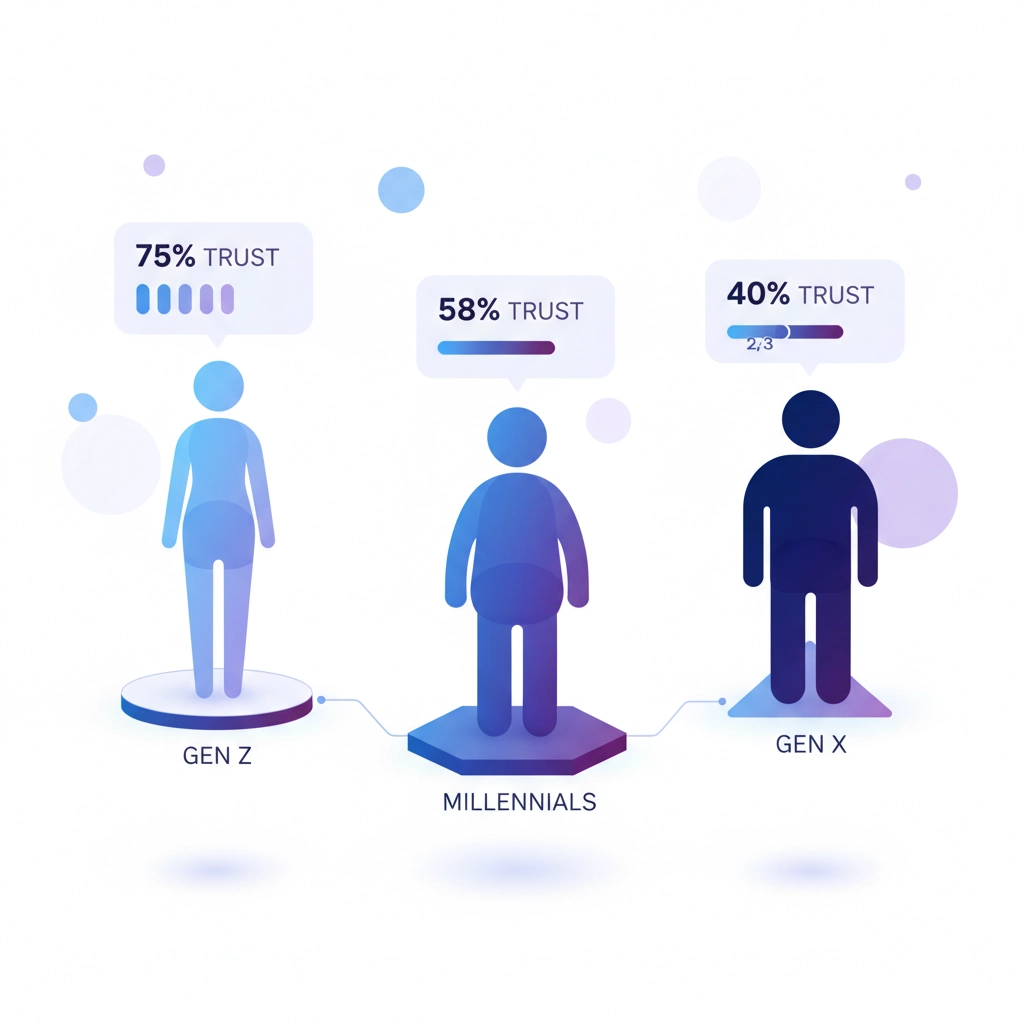
Gen Z consumers demonstrate 46% higher interest in AI influencers compared to older demographic groups (Source: Fast Company). However, even within this supposedly AI-friendly generation, attitudes remain polarized:

This demographic split requires sophisticated segmentation within Shopify reporting systems to accurately measure campaign effectiveness across different audience groups. PayHelm delivers cohort analysis and demographic segmentation with unified identities and privacy‑safe enrichment, enabling teams to track LTV, AOV, and churn by age and AI acceptance.
Consumer research reveals crucial distinctions between AI influencer marketing and AI-powered shopping tools. 64% of shoppers actively use generative AI tools like ChatGPT in their daily routines, representing significant growth from 51% in the previous year (Source: PR Newswire).
More importantly for ecommerce analytics, 58% express comfort using conversational AI tools directly on retail websites for product discovery and customer service interactions (Source: PR Newswire).
The critical difference emerges in recommendation contexts. 45% of shoppers demonstrate indifference toward AI versus human product recommendations, provided the suggestions prove relevant and accurate for their specific needs (Source: PR Newswire).
This acceptance pattern suggests consumers trust AI functionality over AI personality, creating different analytics requirements for tracking tool effectiveness versus influencer campaign performance. PayHelm separates on-site AI assistant events, recommendation interactions, and influencer touchpoints in multi-touch journeys, quantifying distinct lift for each.
Shopify merchants must prioritize transparency tracking over traditional engagement metrics. Undisclosed AI content consistently underperforms, making disclosure compliance a primary analytics focus (Source: Adweek).
Essential transparency metrics include:
The data supports hybrid marketing approaches that combine AI efficiency with human authenticity. Shopify reporting systems require sophisticated attribution models to measure the contribution of each element within hybrid campaigns. PayHelm's smart attribution modeling, UTM governance, and drag‑and‑drop custom metrics isolate each touchpoint's contribution across paid social, search, email, and affiliates.
Critical hybrid metrics include:
Age-based consumer attitudes toward AI create reporting complexity requiring advanced segmentation capabilities. Shopify analytics must track campaign performance across generational lines to optimize targeting strategies. PayHelm automates this with audience breakdowns, saved segments, and shareable dashboards for marketing and merchandising teams.

Key demographic analytics include:
Consumer acceptance patterns suggest focusing analytics resources on AI recommendation systems rather than AI influencer campaigns. Product recommendation algorithms receive significantly higher consumer acceptance than personality-based AI marketing approaches (Source: PR Newswire).
Shopify merchants should prioritize analytics tracking for:
Create composite trust metrics that incorporate disclosure compliance, consumer feedback, and engagement authenticity. These trust scores provide actionable insights for campaign optimization beyond traditional performance metrics.
Develop attribution systems that accurately measure the impact of AI tools versus human creators across the entire customer journey. This comprehensive approach enables data-driven decisions about resource allocation between AI and human marketing elements.
Implement automated systems that track disclosure compliance and consumer sentiment in real-time. This monitoring capability enables immediate campaign adjustments based on trust metric performance. PayHelm's live dashboards, proactive alerts, and role‑based access make governance scalable across teams, backed by SOC 2 Secure infrastructure.
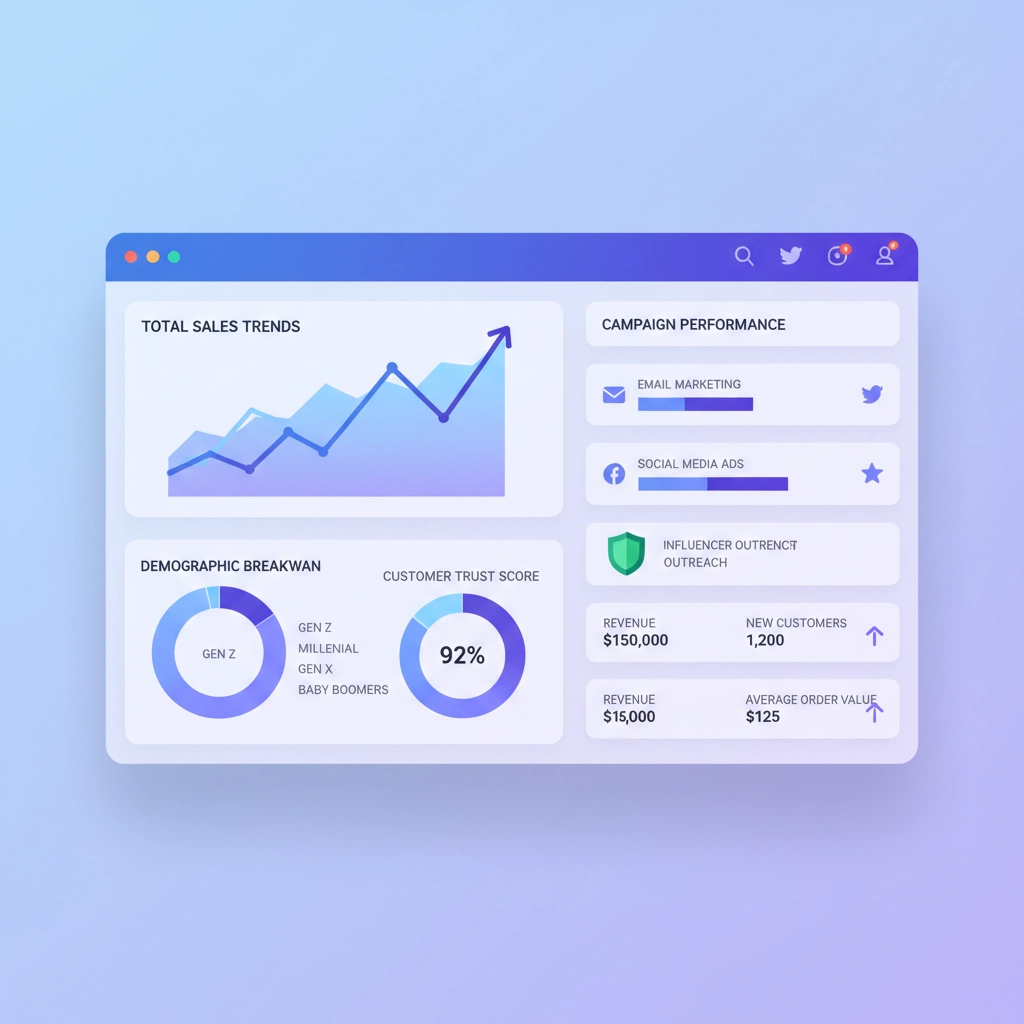
The widespread misunderstanding of consumer AI trust levels creates opportunities for data-driven merchants. Businesses that accurately measure and respond to actual consumer preferences gain competitive advantages through improved campaign effectiveness and resource allocation.
Shopify merchants leveraging comprehensive analytics that account for consumer trust patterns, demographic variations, and application context differences achieve superior performance compared to competitors relying on surface-level engagement metrics.
The focus should remain on AI tools that enhance shopping experiences rather than replace human authenticity. PayHelm enables merchants to track these nuanced performance patterns and optimize their marketing strategies accordingly.
Consumer trust in AI varies dramatically by application context. While AI influencers struggle with authenticity concerns, AI-powered recommendation systems and customer service tools demonstrate strong consumer acceptance. Shopify merchants must adjust their analytics strategies to capture these distinctions and optimize their marketing investments based on actual consumer behavior patterns rather than industry assumptions. PayHelm centralizes these signals across storefronts and marketplaces so leaders can act faster with unified, real‑time data.
Our AI integration brings machine learning capabilities directly to your analytics workflow, providing automated insights and predictive analytics for your ecommerce business.
The AI features are seamlessly integrated into your existing PayHelm workflow. Simply enable the AI assistant in your account settings to start receiving intelligent insights.
Connect these platforms with PayHelm to get unified analytics and insights
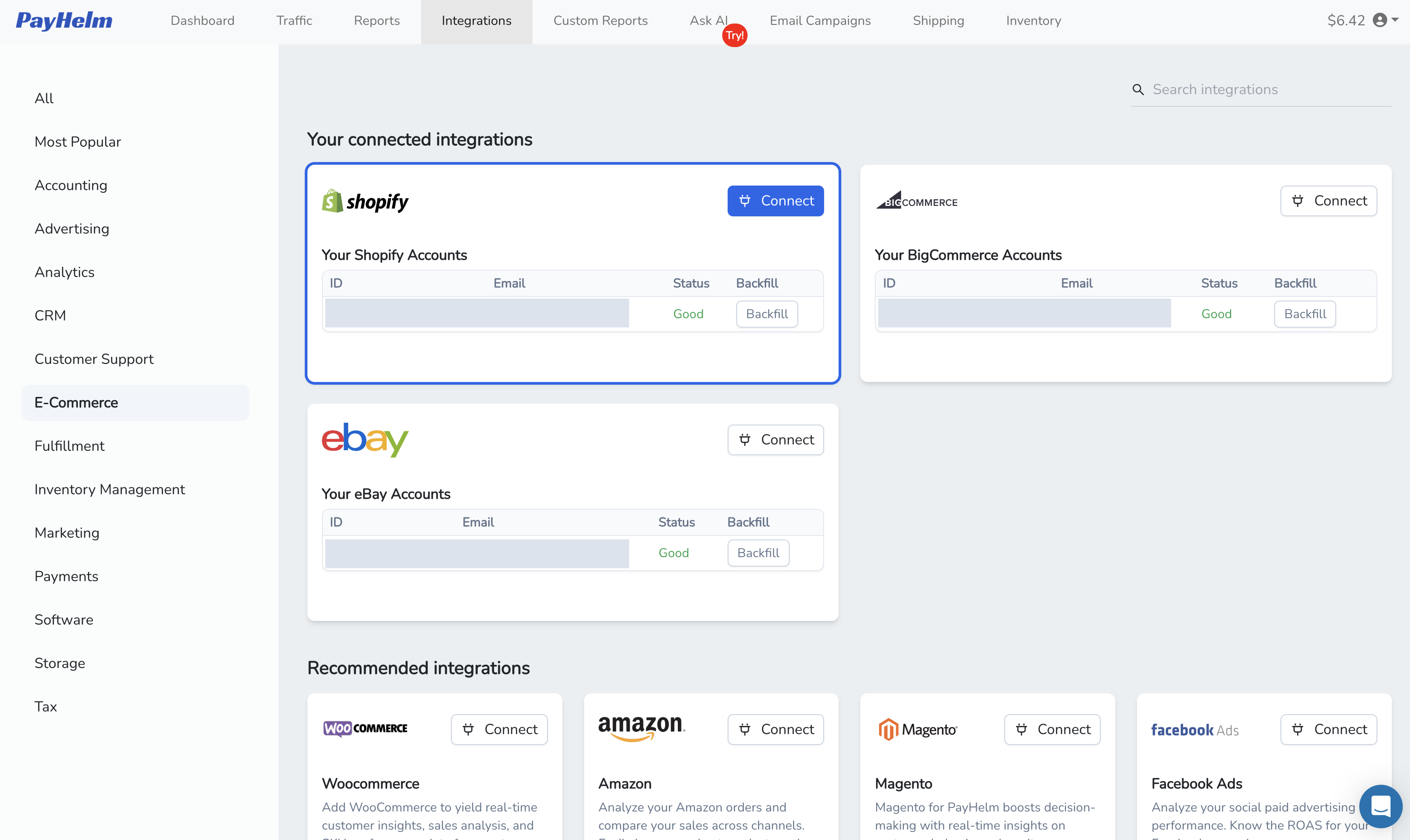
Integrate Shopify with PayHelm to deliver real-time customer insights, sales analysis, and store performance data for better business decisions and ROI
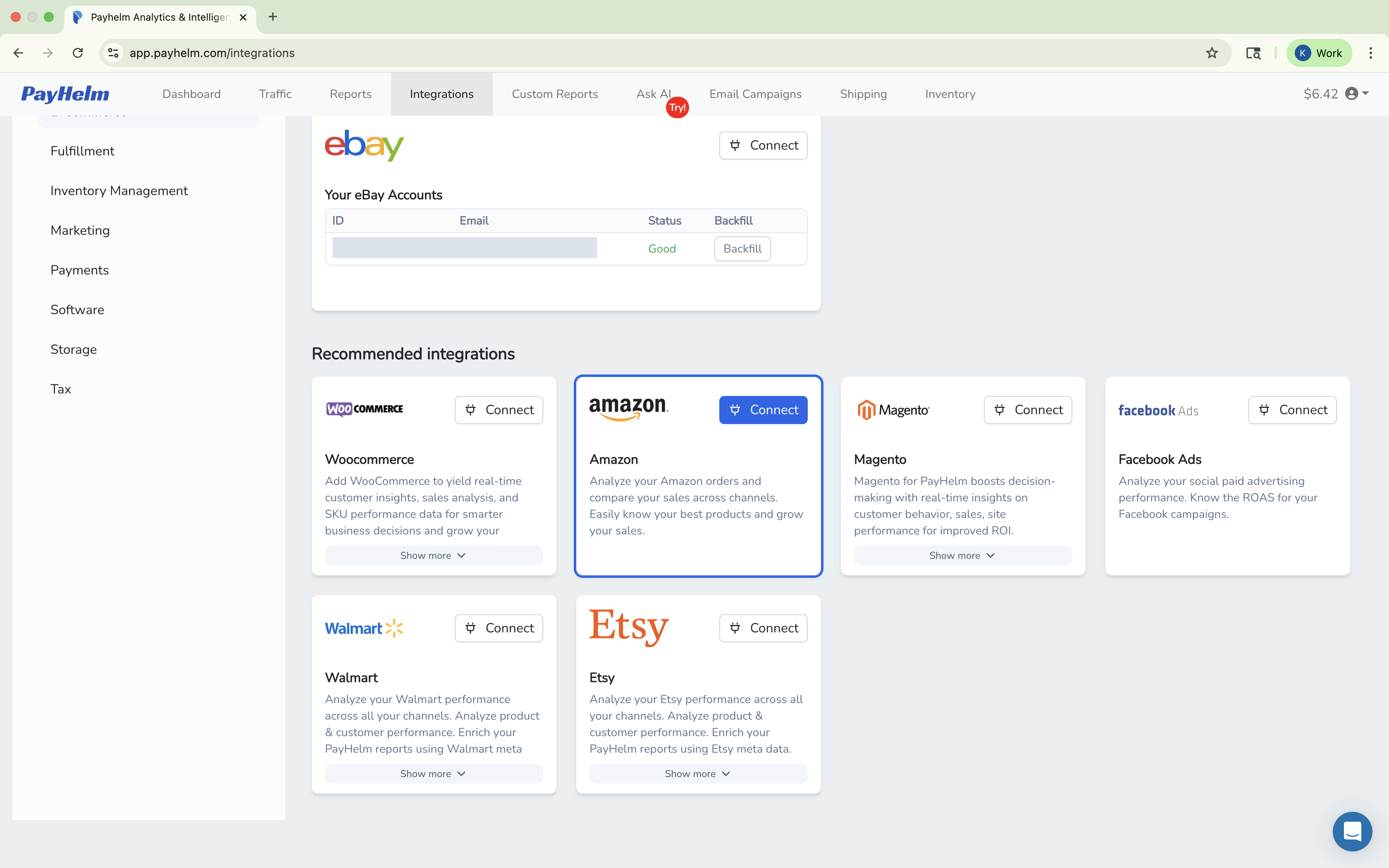
Analyze your Amazon orders and compare your sales across channels
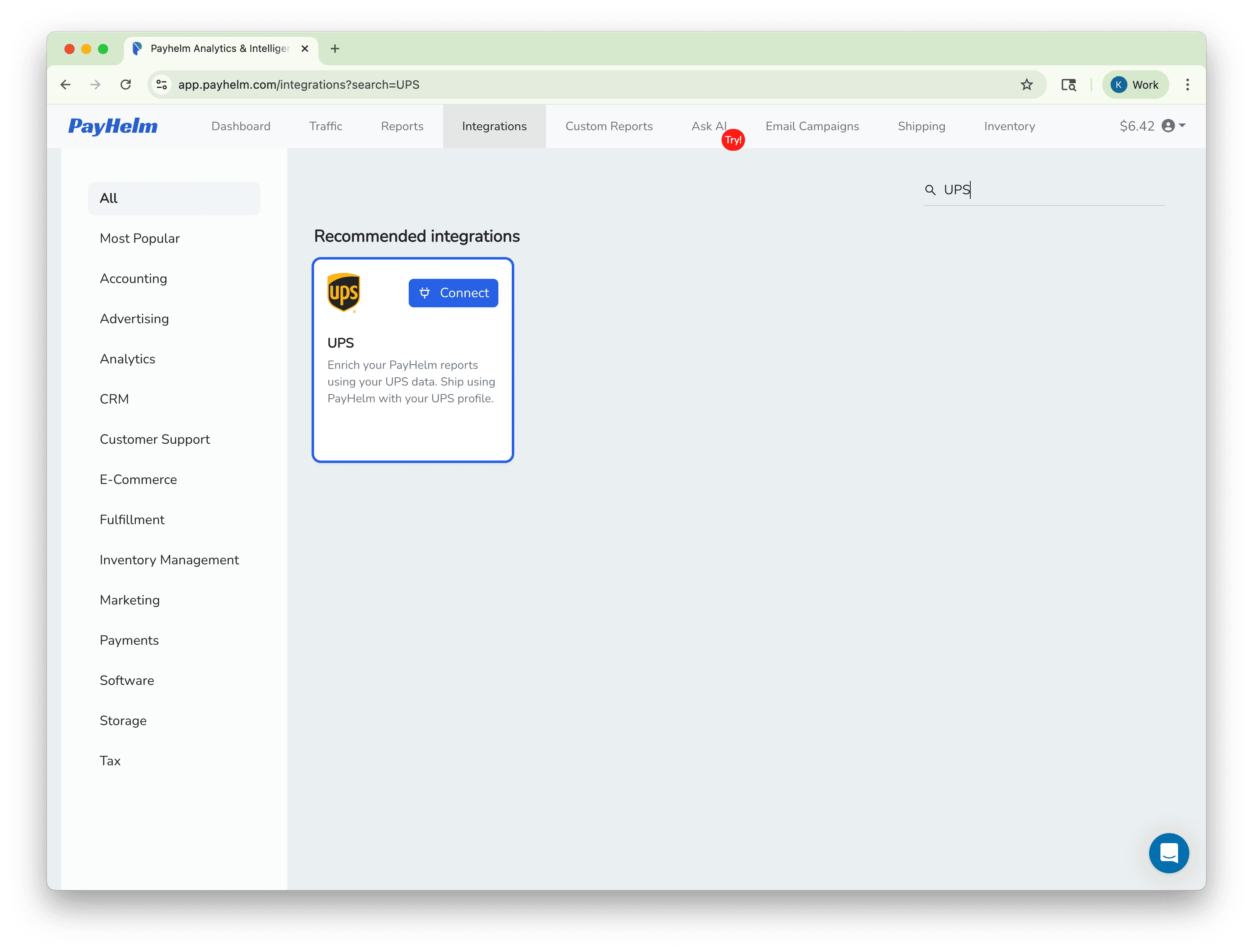
Analyze UPS shipping performance, costs, and delivery metrics for logistics optimization
Let an AI agent handle these tasks for you — automatically, on a schedule.
Fix disapproved Shopping listings before they cost you traffic and revenue.
Get more revenue from every campaign by intelligently resending to non-openers.
Protect your organic rankings from the silent SEO damage of missing and duplicate metadata.